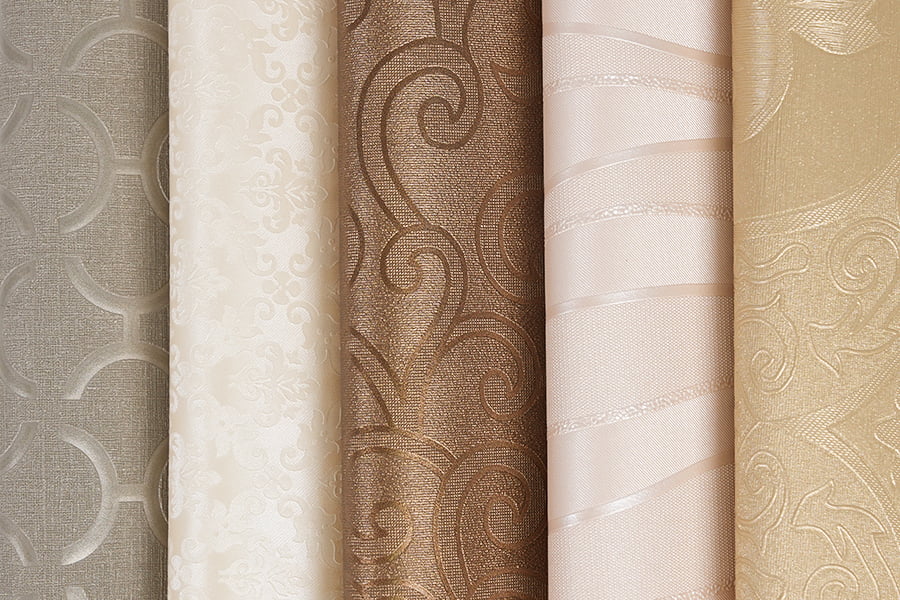
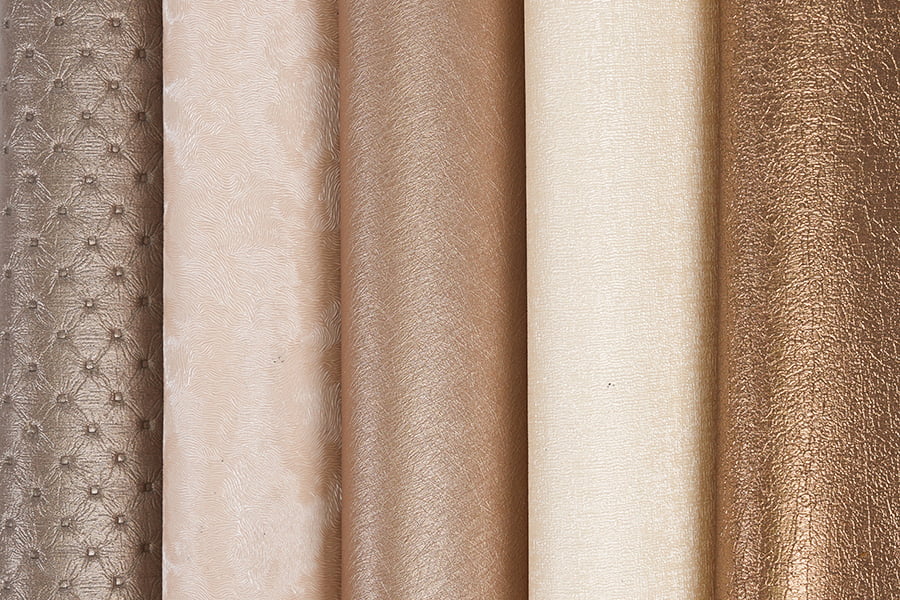
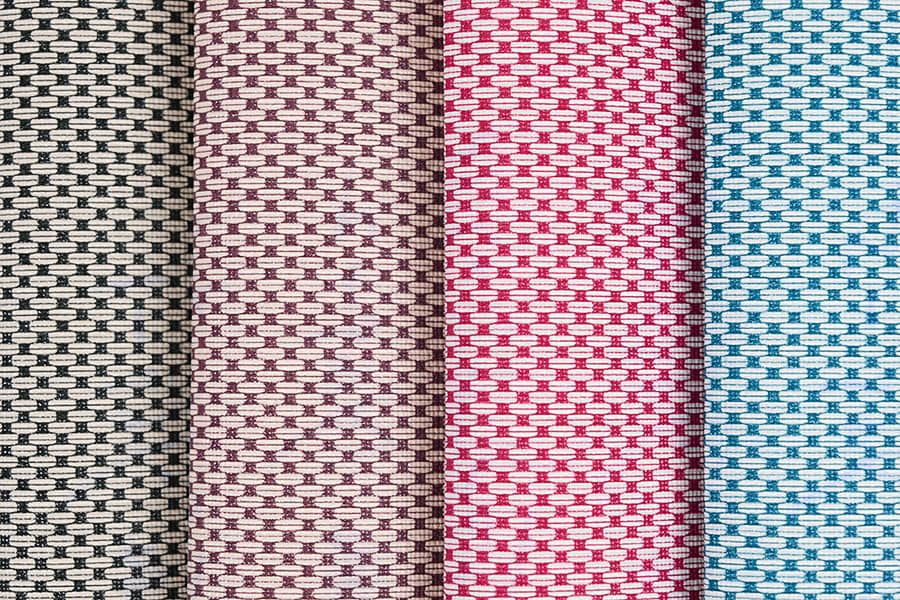
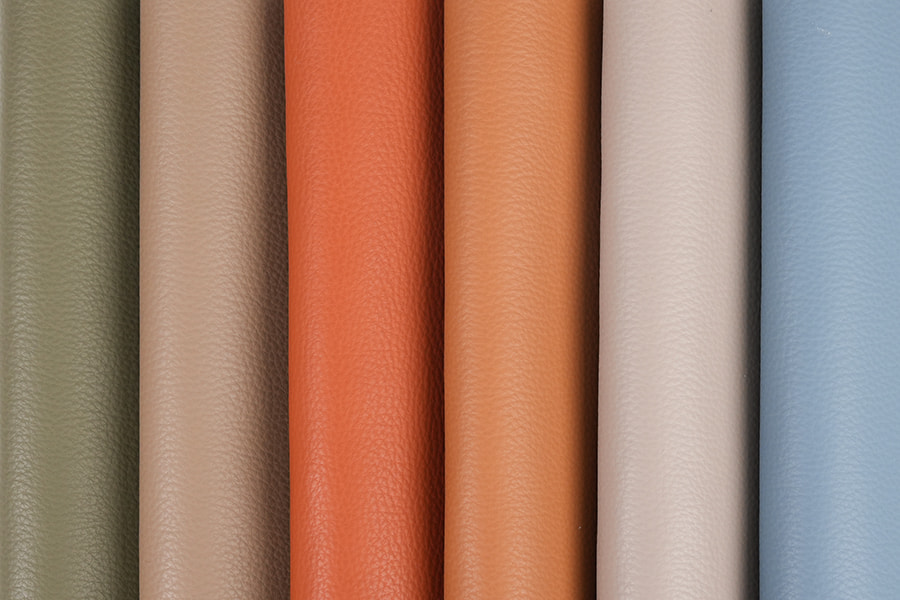
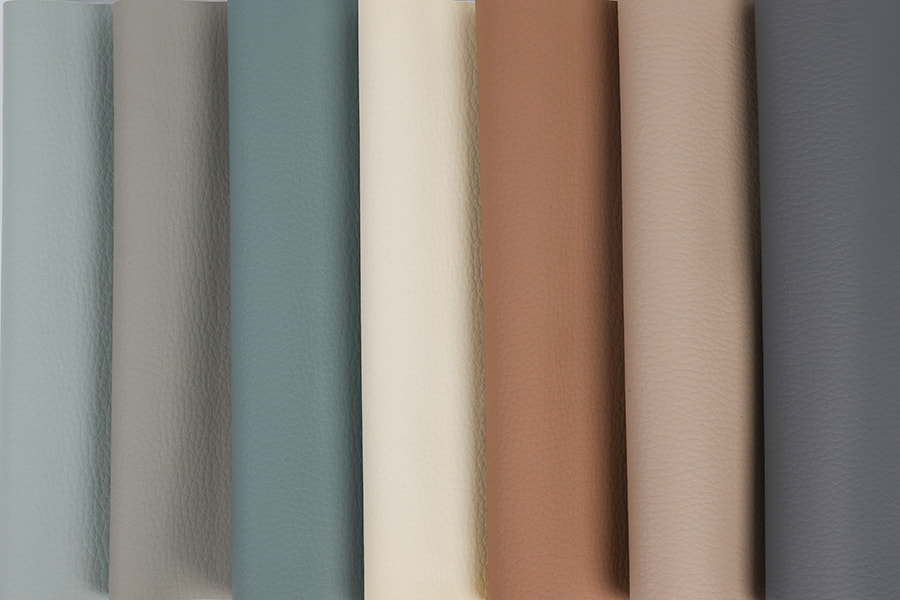
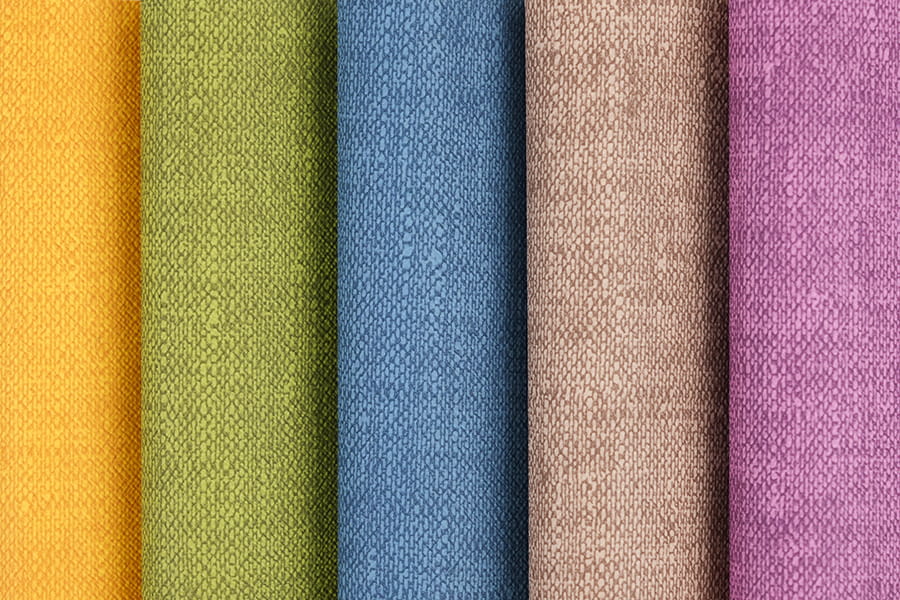
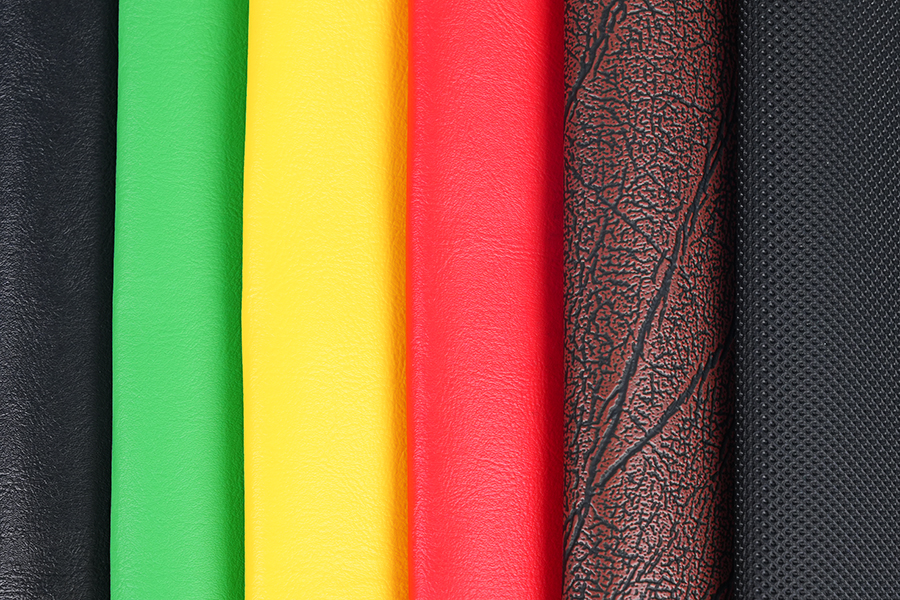
High wear-resistant PVC car interior leather is a high-performance fabric designed for car interiors, suitable for a variety of interior decoration materials such as car seats, door interiors, armrest...
See Details
|
Material |
PVC/PU leather for interior decoration |
|
Color |
Customized according to your requirements, perfectly matching the color of genuine leather |
|
Thickness |
0.4-2.0 millimeters |
|
Width |
1.37-1.40 meters |
|
Base fabric |
Knitted/plain fleece/French loop fabric /T/C loop fabric/non-woven fabric/flocking fabric |
|
Features |
1. Embossing 2. Fine processing 3. Flocking 4. Wrinkling 6. Printing 7 Washing 8. Mirror surface |
|
Usage |
Automobiles, car seats, furniture, interior decoration, sofas, chairs, bags, shoes, mobile phone cases, etc. |
|
Minimum order quantity |
500 meters |
|
Production capacity |
3 million meters per month |
|
Payment term |
By T/T, 30% deposit and 70% balance shall be paid before delivery |
|
Packaging |
30-50 meters per roll, made of high-quality pipe materials, inner packaging waterproof bag, outer packaging knitted wear-resistant bag |
|
Port of shipment |
Ningbo, Zhejiang (Subject to customer requirements) |
|
Delivery time |
10-15 days after receiving the balance of the order |
Interior decoration leather operates differently from upholstery or automotive leather. It must perform visually for years, resist the cumulative damage of daily cleaning cycles, and not compromise indoor air quality in enclosed residential or commercial spaces.
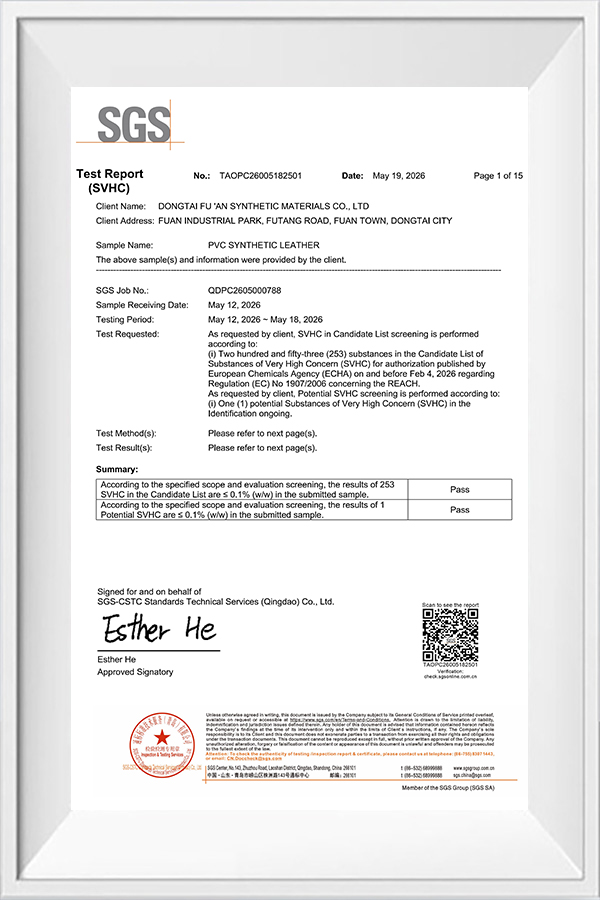
Phthalate plasticizers are the primary source of chemical odor in low-grade PVC leather. This product uses alternative polymer-bound plasticizer systems that achieve equivalent flexibility without off-gassing — confirmed by third-party lab analysis under REACH SVHC screening.
Surface abrasion resistance tested against the Martindale standard at 50,000+ cycles with no surface delamination, fiber breakthrough, or visible grain loss. Equivalent to furniture-grade performance specifications required by European contract furniture standards.
Pigment systems are UV-stabilized to achieve Grade 4 light fastness under ISO 105-B02. In practical terms, this means color shift remains within acceptable tolerance after the equivalent of three to five years of indirect indoor light exposure — critical for wall panels and fixed upholstery.
The PVC manufacturing industry has widely misused the term "odorless" to describe products that simply have a lower smell than standard grades — not products that are genuinely free of volatile organic compound (VOC) emission. The distinction matters enormously for interior decoration applications where the leather covers large surface areas in enclosed rooms.
The odor in conventional PVC leather originates from three distinct sources: residual solvent from the coating process, plasticizer migration from low-molecular-weight phthalate additives, and thermal decomposition byproducts from the calendering stage. Addressing only one of these still leaves measurable indoor air quality impact.
Our formulation addresses all three: water-based top coat eliminates solvent residue, polymer-bound plasticizers eliminate migration, and optimized calendering temperature profiles reduce thermal byproduct generation. The result passes GB/T 27630 (Chinese automotive interior air quality standard), one of the strictest indoor VOC testing protocols applied to flexible PVC materials.
The following comparison is drawn from internal and third-party test data across product categories. Values represent typical measured concentrations at 48 hours post-production under closed-chamber test conditions (1 m³, 23°C, 50% RH).
| Product Category | TVOC (mg/m³) | Formaldehyde (mg/m³) | Odor Character | Indoor Suitability |
| This product — Eco Odorless Grade | < 0.20 | < 0.02 | Neutral / No detectable odor at 50 cm | PASS |
| Standard commercial PVC leather | 0.8 – 2.5 | 0.05 – 0.15 | Mild chemical / plastic note | MARGINAL |
| Economy PVC (conventional phthalate) | 3.5 – 8.0 | 0.1 – 0.4 | Strong chemical / solvent note | NOT SUITABLE |
| Standard PU leather (DMF-based) | 1.2 – 3.0 | 0.03 – 0.08 | Mild amine / solvent note | MARGINAL |
| Water-based PU leather | 0.25 – 0.50 | 0.02 – 0.04 | Faint / barely detectable | PASS |
| GB/T 27630 limit (automotive interior) | 0.60 | 0.10 | Reference standard | — |
Interior decoration leather serves a fundamentally different brief than upholstery leather. The focus shifts from cushion fatigue resistance to vertical surface aesthetics, seam durability on panel joins, and long-term color stability under ambient lighting conditions.
Applied over rigid substrate (MDF or plywood) with contact adhesive, this leather transforms plain partitions into acoustically absorbent, visually warm surfaces. The odorless formulation is critical here — large-area wall coverage in enclosed rooms amplifies any off-gassing from lesser materials.
The scratch-resistant surface coat handles incidental abrasion from furniture contact along wall panels without visible marking. Embossed grain options (lychee, fine nappa, geometric) add dimensional interest that painted surfaces cannot replicate.
Bedroom environments require the highest standard of odor-free performance given prolonged human occupancy during sleep. This material passes close-proximity odor assessment — a user sleeping within 30 cm of the surface for eight hours per night will not detect chemical emission.
The soft-touch surface finish creates a tactile warmth that cold-surface materials like vinyl cannot achieve. Available in both matte and semi-gloss finishes to coordinate with bedroom furniture finishes across Nordic, contemporary, and traditional interior styles.
High-visibility public spaces demand materials that maintain their appearance across heavy footfall, frequent cleaning with commercial disinfectants, and exposure to luggage, equipment, and clothing abrasion. The Martindale rating of 50,000+ cycles positions this leather for contract-grade commercial specification.
Consistent roll-to-roll color matching (Delta-E < 1.5) ensures large-area installations maintain uniformity across the full project quantity — a practical requirement that differentiates factory direct supply from distributor stock.
Environments occupied by children impose the most demanding chemical safety requirements. This material is formulated without azo dyes, phthalates, or heavy metal stabilizers — the three substance categories most directly regulated under EN 71 toy safety standards and OEKO-TEX Standard 100 for children's products.
Easy-clean performance is especially valued: crayon marks, food residue, and paint can be removed with damp cloth and mild detergent without surface damage or discoloration. Disinfection with diluted alcohol solution (up to 30%) is safe on this surface coating.
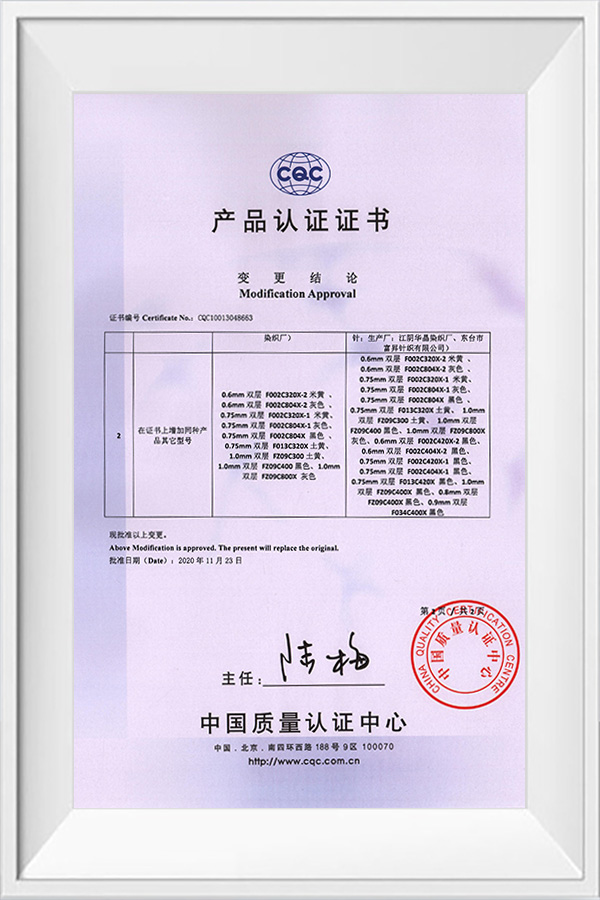
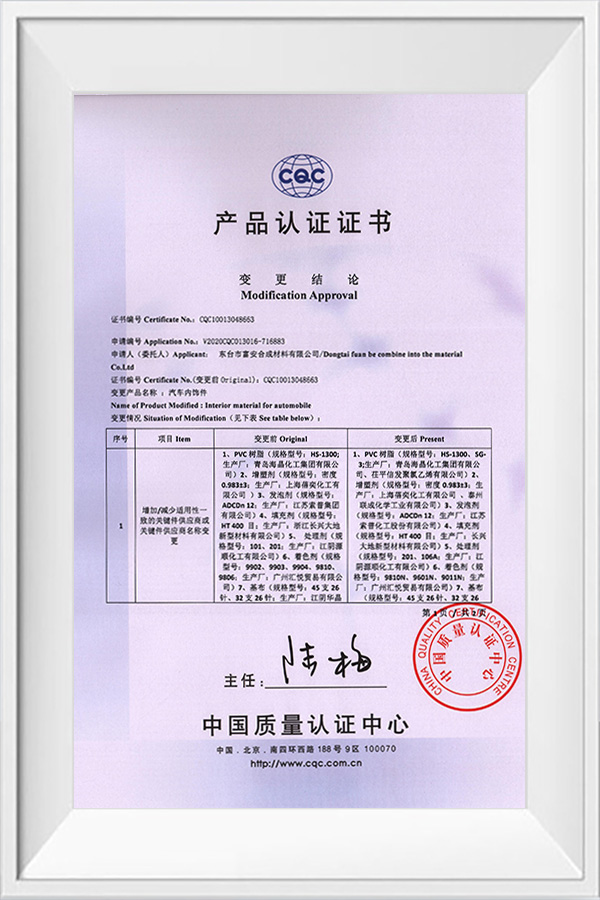
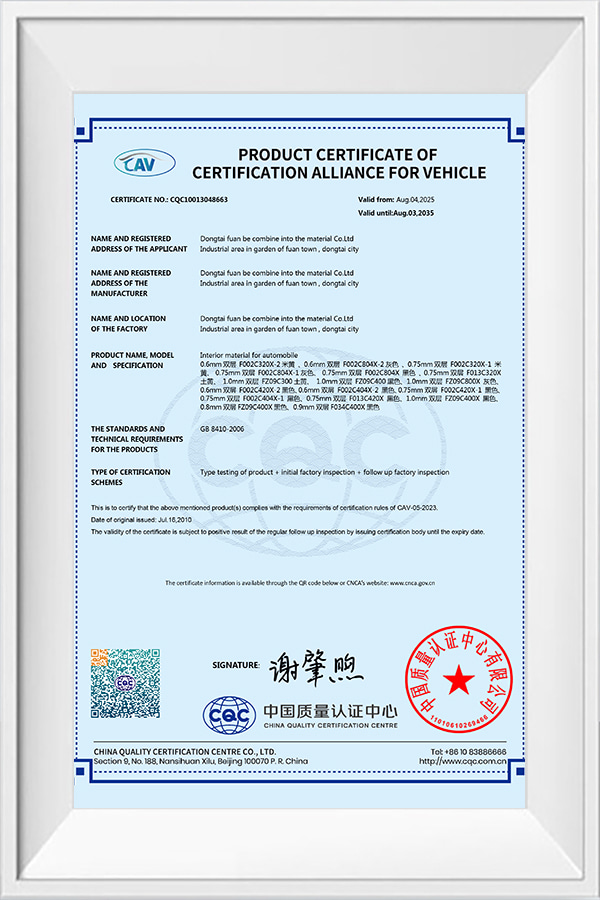
This factory's core products include certified materials for transportation interior applications — a demanding sector where both VOC emission and flame retardant performance are simultaneously mandated. Interior decoration leather for rail and aviation requires GB 8410 or equivalent fire performance alongside strict off-gassing limits.
Specify the flame retardant variant of this base material for transportation applications. The odorless and eco-friendly formulation remains unchanged; the FR additive package is incorporated into the same compound without altering surface character or hand-feel.
Furniture production requires consistent roll dimensions for automated cutting table integration and predictable seam behavior across stitching operations. This product is supplied at 1.37–1.40m width with roll lengths of 30–50m per roll on rigid pipe cores — compatible with standard industrial unwinding equipment.
The knitted and French loop base fabric options provide sufficient elongation to upholster compound-curve furniture elements without surface creasing or coating stress fractures at stress points — a common failure mode in base fabrics with insufficient cross-direction stretch.
Each surface treatment changes the product's visual character, tactile quality, and light reflectance — all of which directly influence how an interior space reads. Combinations of treatments can be specified; confirm with the factory at sample stage.
Every parameter below is adjustable within the stated ranges. Factory samples are produced for customer approval before bulk production is confirmed — no surprises in the final shipment.
Interior decoration leather in commercial and hospitality settings is cleaned repeatedly with professional-grade disinfectants. Understanding which agents are safe prevents accidental surface damage — and what to specify when clients ask about cleaning protocols.
| Cleaning Agent | Concentration | Surface Effect | Frequency | Safe to Use |
| Warm water + pH-neutral soap | Diluted (1–2%) | No effect on surface coating or color | Daily | SAFE |
| Isopropyl alcohol (IPA) | Up to 30% | No visible effect; higher concentrations may dull gloss over time | Weekly max | SAFE |
| Quaternary ammonium disinfectant (e.g. Dettol diluted) | As directed on label | No effect at standard dilution; prolonged contact may lighten dark colors | As needed | SAFE |
| Household bleach (sodium hypochlorite) | Any | Permanent color bleaching and surface embrittlement | Never | AVOID |
| Acetone / nail polish remover | Any | Dissolves PU top coat and exposes PVC base — irreversible surface damage | Never | AVOID |
| Toluene / MEK / paint thinner | Any | Complete surface destruction within seconds of contact | Never | AVOID |
| 70% ethanol (medical grade) | 70% | Slight temporary surface whitening that recovers; used in medical settings | Occasional | WITH CARE |
Specifying the right documentation at order stage prevents compliance delays at customs and accelerates product approval with institutional end clients — architects, contractors, and procurement offices for public buildings.
| Standard | Region / Market | What It Covers | Relevance to This Product | Available from Factory |
| REACH SVHC | European Union | Restriction of Substances of Very High Concern including phthalates, heavy metals, PAH | Direct — export to EU furniture and interior product markets requires REACH declaration | YES |
| RoHS Directive | European Union | Restriction of hazardous substances including lead, mercury, cadmium in electrical/electronic equipment and related materials | Applicable where leather is used in furniture with electrical components (smart furniture, lit panels) | YES |
| GB/T 27630 | China | VOC emission test standard for automotive and indoor materials — covers benzene, toluene, formaldehyde, acetaldehyde, acrolein | This product is formulated to pass GB/T 27630 — relevant for specification in residential and hospitality interiors | YES |
| OEKO-TEX Standard 100 | International | Harmful substance limits across 100+ parameters including azo dyes, pH, formaldehyde, heavy metals — relevant for skin-contact textiles | Applicable for children's furniture and bedroom upholstery — request certification at order stage | ON REQUEST |
| CPSC / California Prop 65 | United States | Chemical safety for consumer products — Prop 65 restricts chemicals known to cause cancer or reproductive harm including specific phthalates | Formulation avoids listed phthalates and cadmium stabilizers — Prop 65 compliance documentation available | YES |
| EN 71 Part 9 | European Union | Chemical safety of toy materials including migration of certain elements — referenced for children's furniture materials | Azo-free pigment selection and phthalate-free formulation align with EN 71 chemical substance limits | ON REQUEST |
| SGS Test Report | International | Independent third-party verification of physical and chemical properties — widely accepted by international importers for customs and QC purposes | SGS test report available for this product covering TVOC, phthalate content, heavy metals, color fastness | YES |
The technical specifications on this page are written by the people who run the compound mixing lines — not by a sales team describing materials sourced from a third party. When a customer asks why this product is phthalate-free, the answer comes from the chemist who selected the plasticizer system, not from a product datasheet that arrived with an imported roll.
Fu'an Synthetic Materials has operated its own mixing, calendering, and surface treatment lines in Dongtai, Jiangsu since 2007. The R&D team of 46 includes 19 core researchers dedicated to compound formulation and surface science. New material development is a continuous process — not a catalog exercise.
The factory's water-based resin production process reduces energy consumption by 30% and eliminates solvent discharge compared to conventional PVC calendering operations — a structural reduction in environmental impact that also directly produces the lower-VOC material profile this product is built around.
Correct maintenance extends surface life significantly. Providing this guide to downstream customers — interior designers, contractors, and furniture retailers — reduces callbacks and preserves installation quality over the full product lifespan.
Wipe with a soft microfiber cloth dampened with clean water. For light soiling, add a small amount of pH-neutral dish soap. Wring the cloth thoroughly — do not apply water in quantity to seams or panel joints, as penetration behind the leather can soften adhesive bonds on paneled installations.
Blot liquid spills immediately with absorbent cloth. Do not rub — rubbing spreads the stain and may embed particles into the surface grain. For dried stains, dampen with warm water, allow to soften for 30 seconds, then blot. Stubborn marks respond to a cotton cloth dampened with diluted isopropyl alcohol (maximum 30% concentration).
PVC leather does not require regular conditioning oil. In very dry climates (below 30% relative humidity), annual application of a silicone-based leather conditioner maintains surface flexibility and prevents micro-surface cracking in the PU top coat layer. This is most relevant for wall panel installations in air-conditioned commercial spaces with low humidity control.
Grade 4 light fastness (ISO 105-B02) provides strong performance under indirect indoor lighting, but direct sustained sunlight — particularly south-facing glazed façades — will cause perceptible color shift over three to five years. Apply UV-filtering window film to glazing adjacent to leather-paneled walls. Avoid positioning leather headboards or panels in direct beam sunlight paths.
The PVC surface begins to soften at temperatures above 70°C. Avoid placing hot items directly on leather surfaces. Nearby heat sources such as radiators, underfloor heating vents, and halogen spotlights pointing at close range can accelerate surface aging. Sharp objects — pen tips, belt buckles, tool edges — concentrate stress into a point and will cut through the surface coating regardless of abrasion resistance rating.
For bonded wall panel installations, inspect seam edges annually for any sign of adhesive failure or edge lifting. Small edge lifts can be re-bonded with a compatible contact adhesive before they propagate. For sewn upholstery joints, inspect stitching thread tension; thread failure is more common than leather failure in high-flex areas such as seat creases.
These questions represent the most common technical and commercial queries received from interior designers, furniture manufacturers, and procurement offices across our export markets.
Environmentally friendly odorless interior decoration leather is a high-quality PVC artificial leather fabric designed for furniture and interior decoration. It has a soft hand feel and a natural and delicate touch. The fabric adopts advanced production technology and has excellent wear resistance and scratch resistance, ensuring that it can maintain a good appearance and use experience even after long-term use. In addition, we also provide PU material options to meet the needs of different customers.
Soft touch: The artificial leather fabric adopts an ultra-fine particle structure, which is soft and natural to the touch, bringing a comfortable experience like real leather. Whether you choose PVC or PU material, the fabric feels very soft and elastic, and it remains comfortable even after long-term contact, which enhances the pleasant experience during use.
Wear-resistant and scratch-resistant: The specially treated PVC leather has extremely strong wear resistance and scratch resistance. Whether it is daily use or daily handling, it can ensure that the surface remains in good condition and prolong its service life. PU material also has good performance in durability and comfort, especially for customers who have high requirements for materials.
Odorless and environmentally friendly: The material does not contain harmful gases and odors, meets environmental protection standards, is suitable for long-term contact, especially suitable for home and office environments, and protects the health of users. Whether it is PVC or PU material, it meets environmental protection requirements, allowing you to enjoy a healthier living environment when using it.
Easy to clean and maintain: This fabric is very easy to care for and is quick and easy to clean. Whether it is daily stain cleaning or regular disinfection, it can be easily completed, suitable for furniture and interior decoration applications that are frequently cleaned. The simple cleaning process helps reduce maintenance costs and ensures beauty and functionality in long-term use.


PVC SYNTHETIC LEATHER GUIDE What Is PVC Synthetic Leather and How Is It Manufactured? PVC synthetic leather is an engineered upholstery and surface material made by applying poly...
View MoreStrategic Material Selection Guide Selecting the right pvc artificial leather requires evaluating the end-use environment. To ensure optimal performance, consider the following en...
View MoreIn the field of modern industrial manufacturing, material selection directly determines the performance, durability, and environmental adaptability of end products. pvc artificial ...
View MoreIn modern industrial manufacturing, automotive interiors, high-end furniture, and outdoor equipment sectors, finding materials that balance cost, functionality, and aesthetics rema...
View MoreIn modern manufacturing and consumer goods, synthetic leather has gained widespread popularity due to its superior performance and cost-effectiveness. Among various synthetic mater...
View More