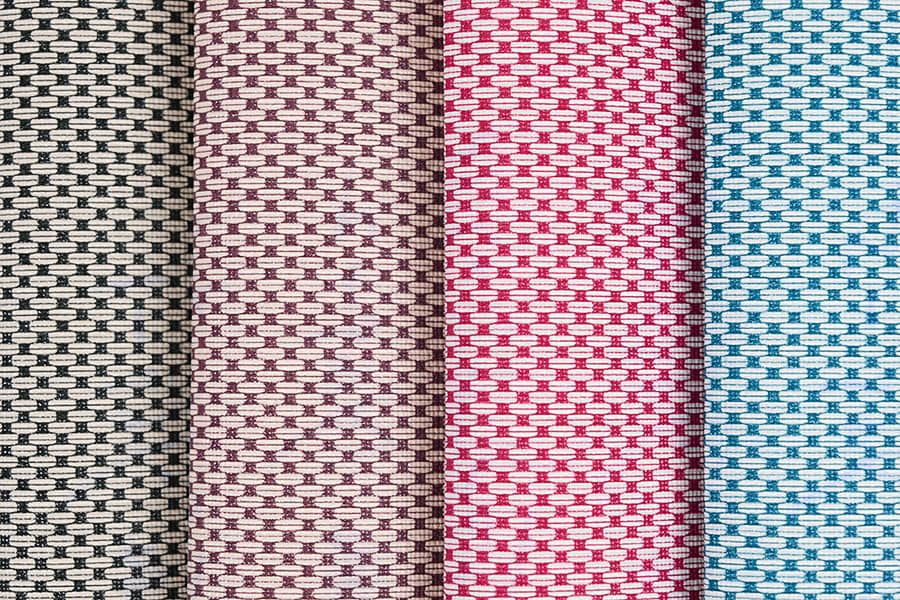
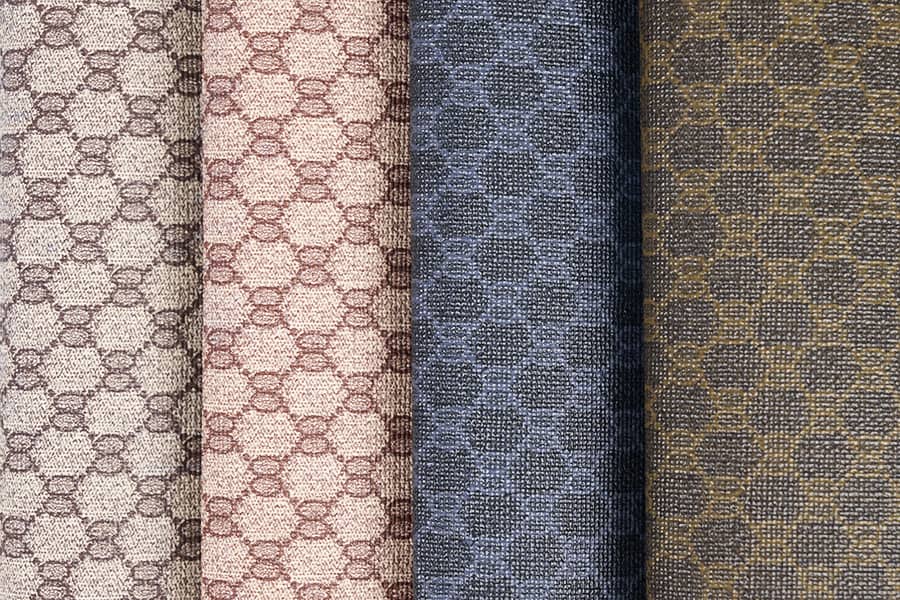
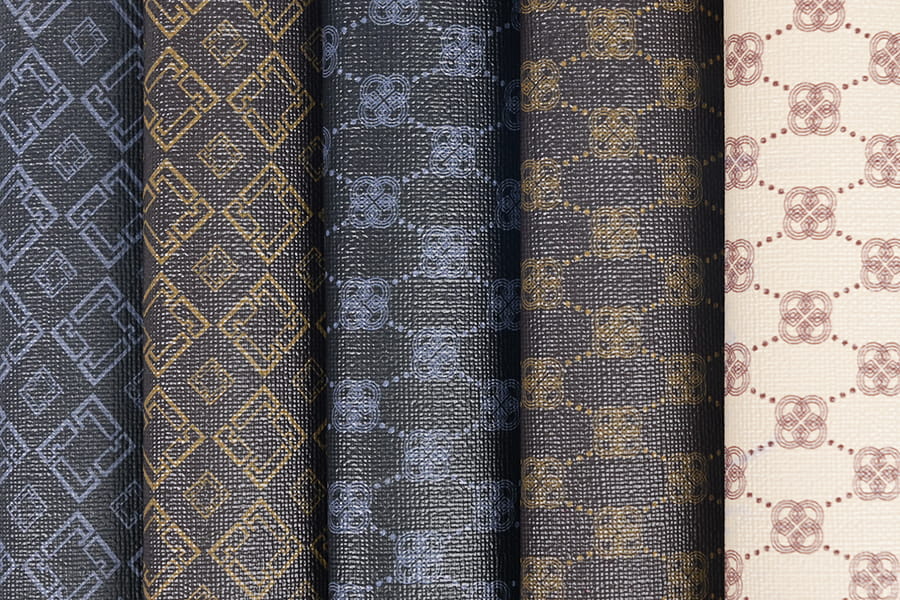
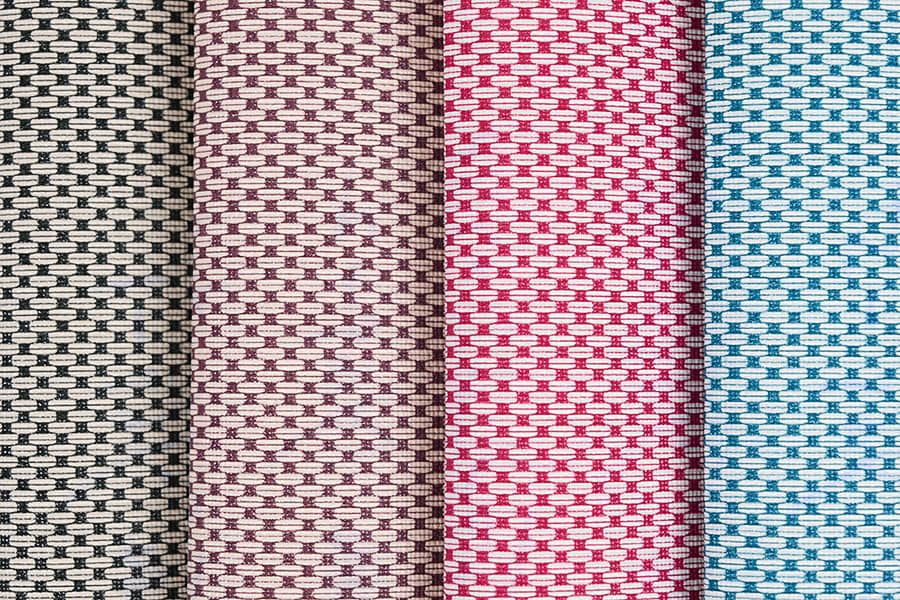
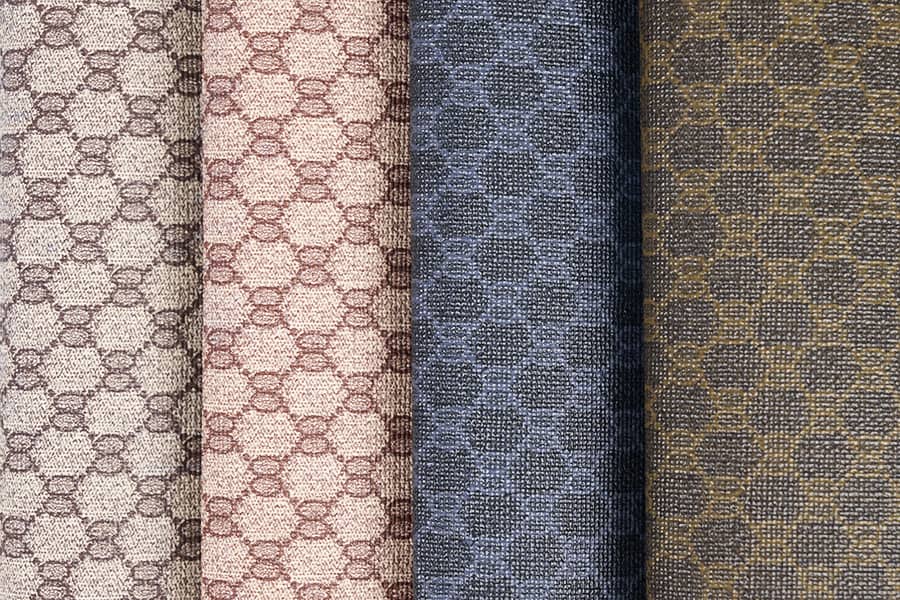
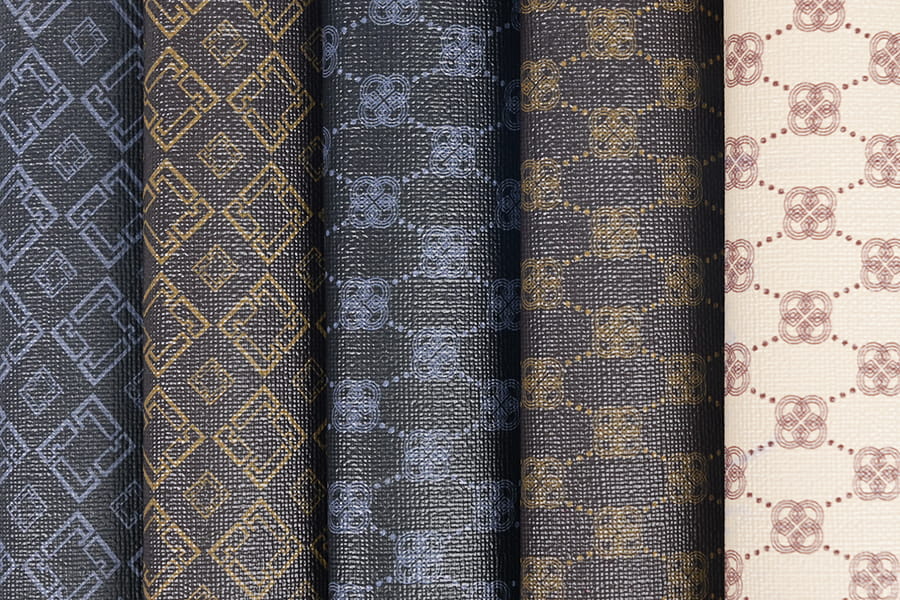
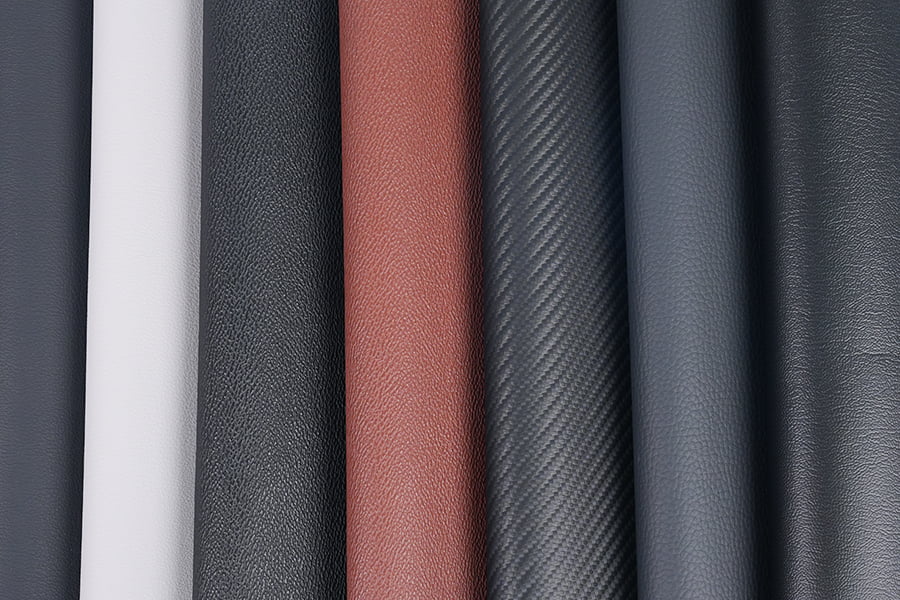
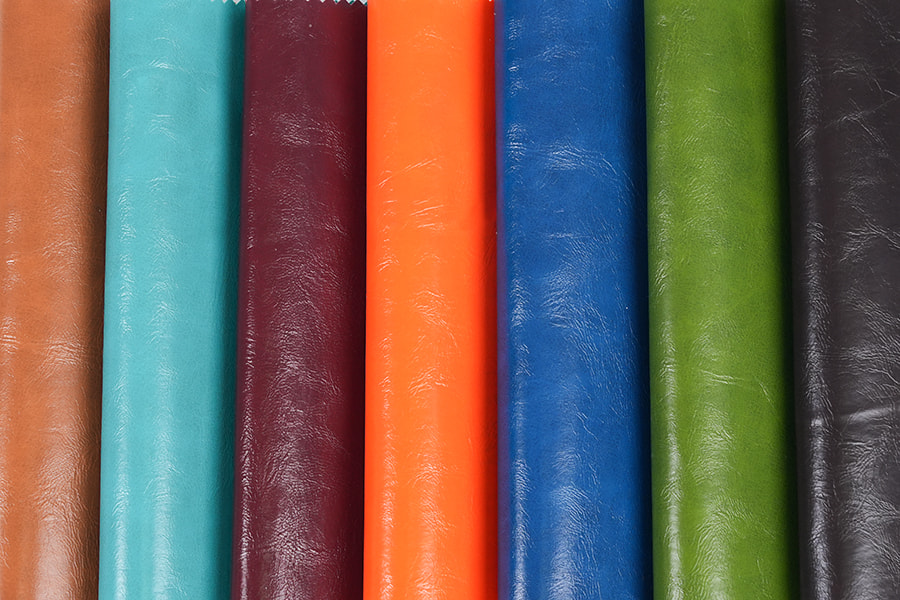
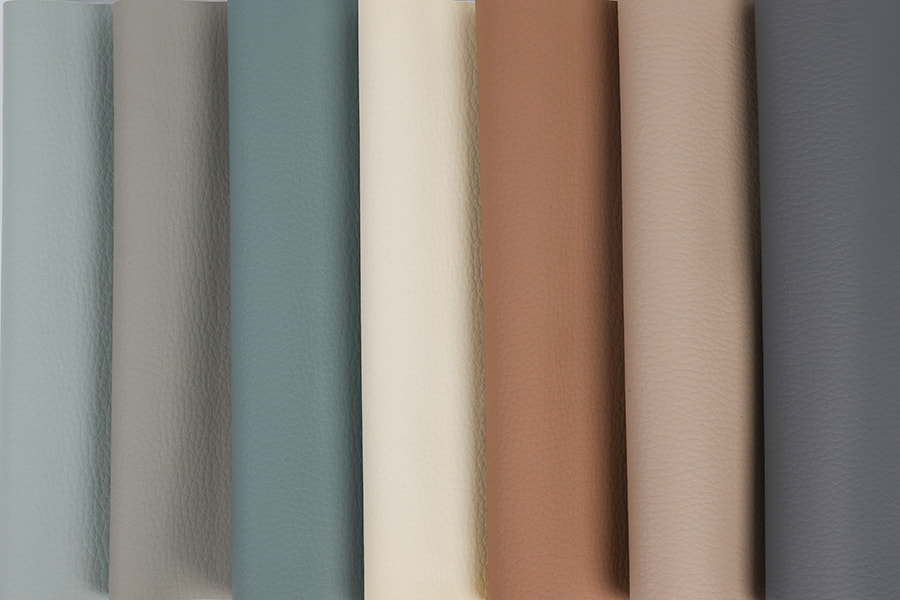
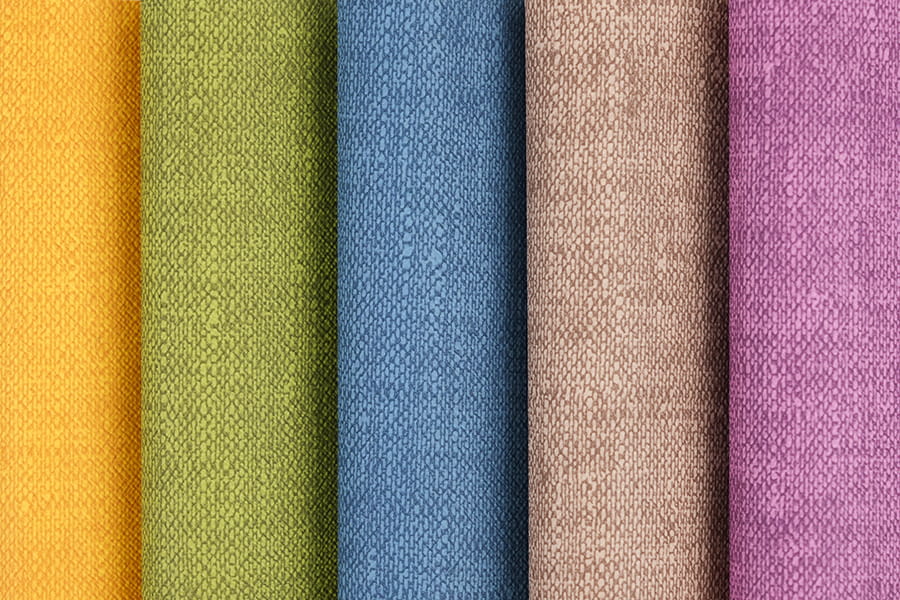
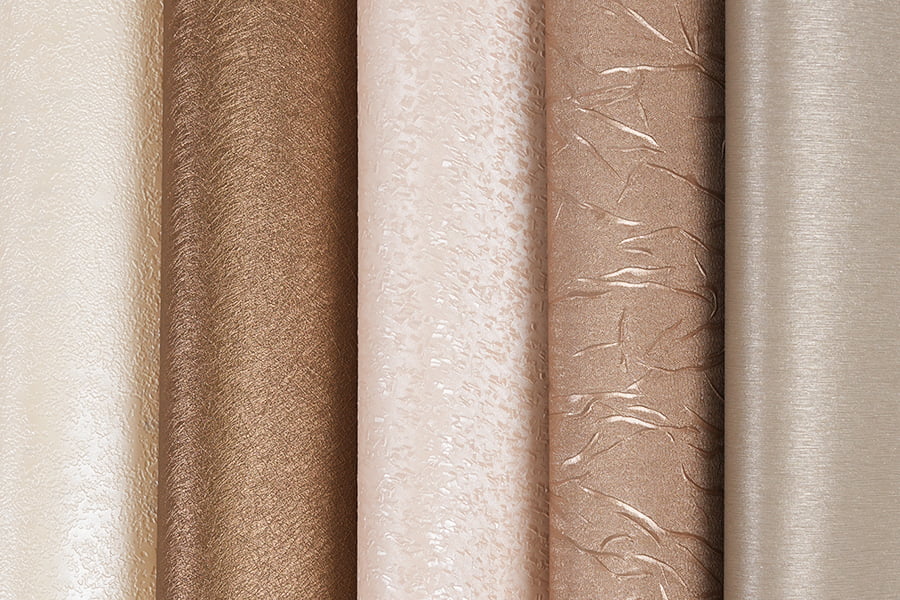
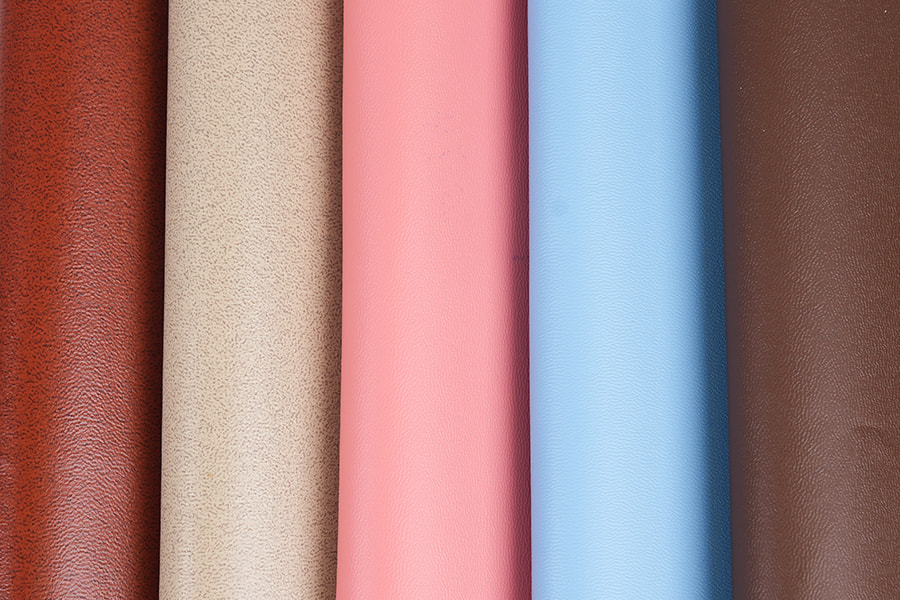
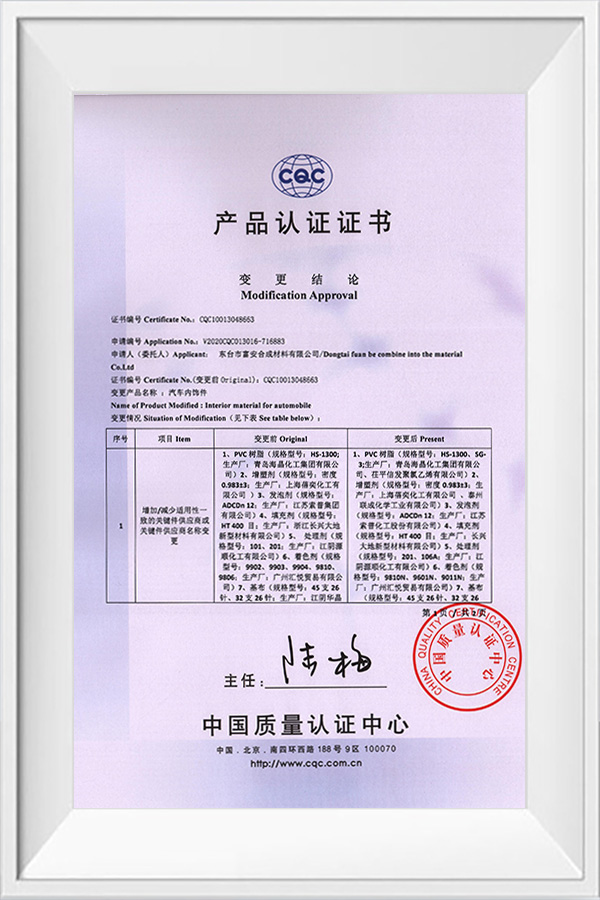
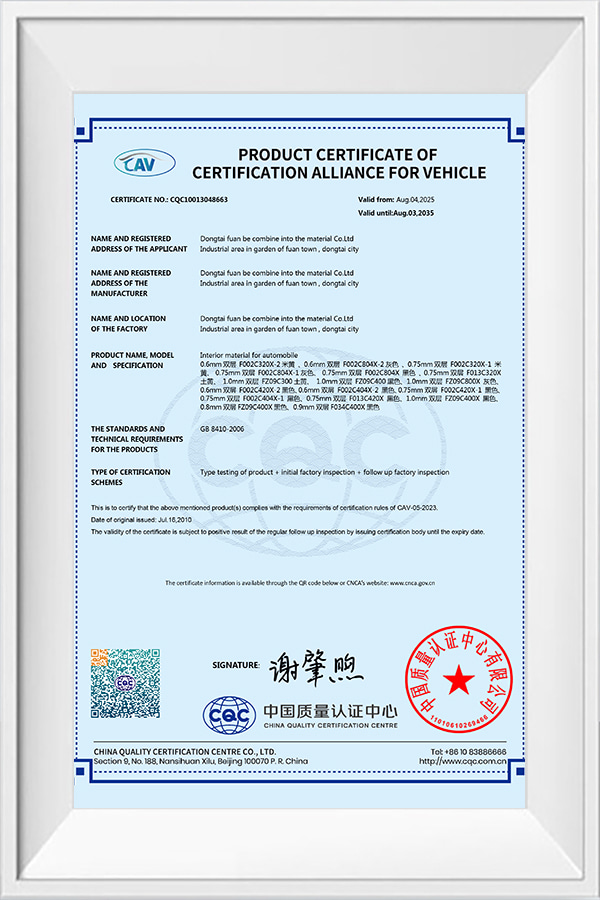
High wear-resistant PVC car interior leather is a high-performance fabric designed for car interiors, suitable for a variety of interior decoration materials such as car seats, door interiors, armrest...
See Details
|
Material |
PVC/PU leather for luggage |
|
Color |
Customized according to your requirements, perfectly matching the color of genuine leather |
|
Thickness |
0.4-2.0 millimeters |
|
Width |
1.37-1.40 meters |
|
Base fabric |
Knitted/plain fleece/French loop fabric /T/C loop fabric/non-woven fabric/flocking fabric |
|
Features |
1. Embossing 2. Fine processing 3. Flocking 4. Wrinkling 6. Printing 7 Washing 8. Mirror surface |
|
Usage |
Automobiles, car seats, furniture, interior decoration, sofas, chairs, bags, shoes, mobile phone cases, etc. |
|
Minimum order quantity |
500 meters |
|
Production capacity |
3 million meters per month |
|
Payment term |
By T/T, 30% deposit and 70% balance shall be paid before delivery |
|
Packaging |
30-50 meters per roll, made of high-quality pipe materials, inner packaging waterproof bag, outer packaging knitted wear-resistant bag |
|
Port of shipment |
Ningbo, Zhejiang (Subject to customer requirements) |
|
Delivery time |
10-15 days after receiving the balance of the order |
Luggage leather endures a different category of stress from sofa or interior decoration leather. It faces impact abrasion, corner flex fatigue, zipper edge chafing, and extended outdoor exposure — often simultaneously. The following benchmarks reflect the thresholds required to survive a luggage product's typical commercial lifecycle.
The crocodile pattern is pressed to a minimum depth of 0.3mm below the surface plane — deep enough to remain visually prominent after the leather is pulled taut over a bag body and stitched at the edges. Shallow emboss (below 0.15mm) flattens out after the leather is tensioned during manufacturing and loses visual impact on the finished product.
Tested on a Bally flex tester to 40,000 cycles without surface cracking, delamination, or emboss pattern distortion. This directly correlates to bag flap folding, handle attachment zones, and gusset movement — the mechanical fatigue points where lower-grade PVC leather fails first in actual product use.
Assessed by ISO 105-X12 dry and wet rubbing fastness test. Grade 4–5 means the surface color does not transfer visibly onto a white cotton cloth after 100 reciprocal rubs under standardized pressure. Critical for dark-color bags that contact light-colored clothing during normal carry.
The crocodile pattern is one of the most frequently imitated textures in PVC leather manufacturing — and one of the most inconsistently executed. The difference between a convincing, durable crocodile grain and a flat, washable print lies entirely in the embossing process and the compound beneath it.
Depth is the first variable. A genuine hydraulic emboss driven at 160–180°C under 80–120 tonnes of pressure creates a topographic surface in the PVC compound itself. The cell borders — the raised ridges that define each crocodile scale — stand permanently proud of the scale centers. This three-dimensional relief catches light directionally and changes appearance as the viewing angle shifts, replicating the optical behavior of real crocodilian skin.
Cell geometry consistency is the second variable. Mass-produced rollers with worn tooling produce cells that progressively lose definition toward the roll edges, creating visible grain fade across the width of a cut panel. Our embossing rollers are inspected and retooled at defined production intervals to maintain cell sharpness within ±5% geometric tolerance across the full 1.37–1.40m working width.
Bag manufacturers choosing between material categories need a direct, honest comparison — not marketing language. The following reflects the real performance, regulatory, and commercial trade-offs as of 2025 sourcing conditions.
| Comparison Dimension | Genuine Crocodilian Skin | This Product — PVC High-Quality Croc Grain | Economy PVC Croc Print |
| Visual Authenticity | Natural — no two hides identical; genuine cellular structure | High — deep hydraulic emboss with directional light behavior; consistent cell geometry across roll width | Low — flat printed pattern with no surface relief; visible as artificial under close inspection |
| CITES Compliance | Requires CITES Appendix I or II permits, country-of-origin certificates, and import/export documentation for every shipment across most markets | No CITES documentation required — entirely synthetic, zero wildlife-derived content. Freely tradeable in all markets | No CITES required |
| Cost per Linear Meter | USD 300–1,200+ depending on species, hide size, and grade | Commercially accessible — contact factory for current pricing per specification | Lowest initial cost; highest downstream return/quality risk |
| Abrasion Resistance (Martindale) | High on scales; prone to scuffing on cell borders; requires professional care | 40,000+ cycles without grain distortion or surface breakthrough — consistent across the full hide area | 8,000–15,000 cycles; printed layer separates from base under sustained abrasion |
| Water Resistance | Poor untreated; requires wax or lacquer dressing; color runs when wet unless treated | Excellent — PVC compound is inherently non-porous; water beads off emboss surface without treatment | Moderate; seam penetration risk at cut edges if unfinished |
| Color Range | Limited to natural tones unless dyed; dyeing exotic leather requires specialist process | Unlimited — standard Pantone/RAL matching; metallic, pastel, and deep tone options available | Moderate range; color stability under UV exposure is limited |
| Roll-to-Roll Consistency | Every hide is different — grain scale, size, and color vary between animals and hide positions | Production-consistent across 500–50,000 meter orders; Delta-E < 1.5 color tolerance between rolls | Variable; cell depth and color consistency decline across production batches |
| MOQ / Lead Time | Typically purchased by the piece — no MOQ but high per-unit cost; supply dependent on CITES quota | 500 meters MOQ; 10–15 days production lead time from confirmed order | Low MOQ; immediate dispatch from stock in standard colors |
| End-Market Positioning | True luxury goods — price point reflects material scarcity and permit costs | Premium fashion, accessible luxury, and mid-market branded bags; highest performance-to-cost ratio in the segment | Price-driven mass-market product; visible quality gap in retail environment |
The performance requirements differ substantially between a travel trolley case, a fashion crossbody, and a structured briefcase. The following covers the specific fit of this crocodile PVC leather for each major product category.
PVC crocodile leather is laminated or bonded to the outer shell of semi-rigid cases to deliver luxury aesthetics over a structural substrate. The material must bond cleanly to ABS or polycarbonate shells with contact adhesive without air pockets at emboss cell borders — a function of the consistent back-surface flatness this product maintains.
The non-porous surface resists airport handling abrasion — conveyor belt friction, stacking pressure, and baggage carousel impact — better than fabric-laminated shells in the same price tier.
The crocodile pattern commands a significant premium at retail for handbag designs when the visual authenticity of the grain is convincing under direct examination. Hydraulic emboss depth and cell border sharpness are what drive the "real or faux" judgment made at a sales counter or during e-commerce inspection of product photography.
Two-tone and glazed croc variants are specifically popular in this segment for European and South Korean fashion markets, where the material is expected to read as premium against genuine leather alternatives in the same retail environment.
Professional bags prioritize structural integrity at attachment points — handle roots, closure flaps, and lock mounting zones — as much as surface appearance. The material must accept metal hardware (rivets, D-rings, magnetic closures) without tearing at punched holes or cracking under the compression of set screws.
Thickness tolerance is particularly important for briefcase production: reinforcement panels must bond uniformly, and edge painting requires a consistent thickness to form a clean, straight paint line.
Micro croc pattern variants are engineered specifically for small leather goods where full-size crocodile cells would appear visually out of scale. A standard 12 × 9 cm cardholder body contains only four to six full crocodile cells at standard cell size — losing the repeating pattern effect that makes the texture visually coherent.
Micro croc at 40% standard cell size creates the correct visual density for small goods, maintaining the exotic leather reference while scaling appropriately to the product dimensions.
Soft luggage and backpack panels undergo substantially more multi-directional flex than hard-body bags. The material must sustain its emboss pattern depth and surface integrity through thousands of open-close cycles on main compartment openings, combined with the shear load of shoulder strap hardware across the back panel.
The hornback croc variant is increasingly used in the premium backpack segment because its irregular cell pattern tolerates the surface distortion from panel flexion without creating visible pattern cracking lines that regular cell geometry makes immediately apparent.
Cosmetic case interiors are typically exposed to cosmetic product spillage — oils, pigmented liquids, and alcohol-based products — that would permanently stain natural leather and damage low-grade PVC coatings. The non-porous PVC exterior wipes clean, while the interior lining is typically a separate fabric component unaffected by the exterior material choice.
Cosmetic accessories are also among the most color-diverse product categories — bright pinks, metallics, and seasonal color palettes are all standard. The factory's unlimited color matching capability is specifically relevant for this segment's trend-driven production schedules.
The Convention on International Trade in Endangered Species (CITES) classifies all commercially significant crocodilian species under Appendix I or Appendix II — meaning the international trade in genuine crocodile leather requires species-specific import/export permits, country-of-origin documentation, and in many cases individual hide traceability records for each transaction.
For a bag manufacturer operating across multiple export markets — particularly the EU, where the Wildlife Trade Regulation (EC 338/97) enforces CITES provisions — managing this compliance infrastructure adds cost, delay, and legal exposure to every genuine exotic leather order. A single documentation error in the chain can result in shipment seizure at customs.
This PVC crocodile grain leather requires none of this documentation. It is a fully synthetic material with no wildlife-derived content, freely tradeable under all current international trade frameworks without species permits. For fashion brands positioning products as animal-welfare conscious — a commercial consideration in European and North American markets — the cruelty-free origin is a positive product attribute, not merely a compliance default.
| Documentation Requirement | Genuine Croc Leather | This PVC Croc Grain |
| CITES export permit (country of origin) | REQUIRED | NOT REQUIRED |
| CITES import permit (destination country) | REQUIRED (EU, US, UK) | NOT REQUIRED |
| Species identification certificate | REQUIRED | NOT REQUIRED |
| Individual hide traceability record | REQUIRED (EU market) | NOT REQUIRED |
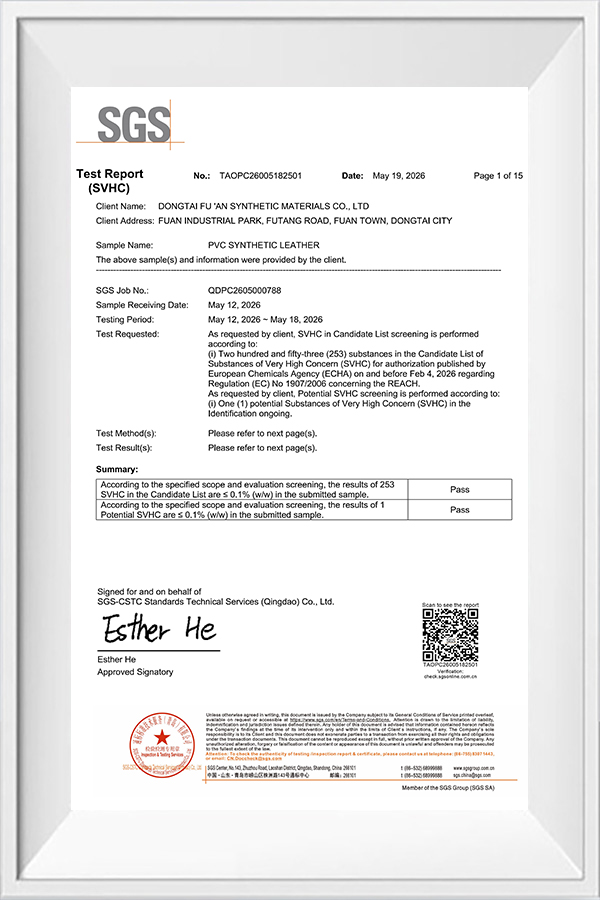
| REACH chemical compliance declaration | NOT APPLICABLE | PROVIDED |
| Animal welfare / cruelty-free claim support | NOT AVAILABLE | AVAILABLE |
| Vegan product certification eligibility | NOT ELIGIBLE | ELIGIBLE |
Specifying leather for luggage requires understanding the mechanical loads at each zone of the finished product. The failure modes differ by location — and the material selection for each zone should reflect those differences.
| Zone | Primary Stress Type | Common Failure Mode | How This Material Addresses It |
| A — Zipper Edge | Repeated fold + chafing from zipper coil | Surface cracking along fold line; color transfer to zipper tape | 40,000+ Bally flex cycles before surface break; Grade 4–5 dry rub fastness prevents color transfer to zipper tape |
| B — Gusset | Multi-directional flexion each time bag is opened/closed | Delamination between base fabric and PVC compound; emboss pattern distortion | High bonding peel strength between compound and base fabric; knitted base option provides isotropic flex recovery |
| C — Base Panel | Compressive abrasion from surface contact; moisture exposure | Surface abrasion breakthrough; moisture ingress at seam joins | Non-porous PVC surface; ≥40,000 Martindale cycles before surface breakthrough; waterproof material body |
| D — Handle Root | Point-concentrated tensile load from bag weight | Tear propagation from rivet holes; delamination under cyclic loading | Heavier gauge (1.2–1.5mm) recommended at stress points; T/C loop base provides higher tear resistance than non-woven |
| E — Main Body | Cosmetic abrasion; UV exposure; color stability | Color fading; surface scuffing; emboss flattening under sustained pressure | Grade 4 light fastness; hydraulic emboss depth resists flattening under normal storage pressure; scratch-resistant top coat |
The following values represent typical performance data for this product at 1.0mm thickness with T/C loop base fabric. Specific values vary by thickness, base fabric selection, and surface treatment. Factory test reports available on request for each confirmed specification.
| Property | Typical Value | Test Method | Notes |
| Thickness tolerance | ±0.05mm | ISO 2589 | Measured across 5 points per 1m length of roll; critical for seam and edge-paint consistency in manufacturing |
| Tensile strength (warp) | ≥ 250 N/cm | ISO 1421 | Warp direction aligns with roll length; relevant to handle attachment and strap anchor zones |
| Tensile strength (weft) | ≥ 200 N/cm | ISO 1421 | Weft direction (cross-roll); governs gusset and side panel resistance to lateral loading |
| Tear strength | ≥ 50 N | ISO 4674 | Measured at punched hardware holes; low tear strength is the primary cause of hardware pull-through failure in bags |
| Peel strength (compound to base) | ≥ 40 N/3cm | ISO 2411 | Bond between PVC compound and base fabric; insufficient peel strength produces delamination bubbles in flex zones |
| Flex resistance (Bally) | 40,000 cycles — no crack | ISO 5402 | At 23°C, 0°C flex tested separately; cold flex performance important for markets with winter outdoor use |
| Abrasion resistance (Martindale) | ≥ 40,000 cycles | ISO 17076 | No surface breakthrough or visible grain distortion at test endpoint; emboss pattern measurably intact |
| Color fastness — dry rub | Grade 4–5 | ISO 105-X12 | Prevents color transfer to clothing and light-colored bag linings during normal carry |
| Color fastness — wet rub | Grade 4 | ISO 105-X12 | Rain and perspiration contact test; Grade 4 acceptable for most bag applications; Grade 4–5 achievable on specific dark colors on request |
| Emboss depth (hydraulic press) | 0.30–0.45mm | Profilometry | Measured at cell center-to-border ridge height differential; maintained within ±0.05mm across roll width |
| Hydrolysis resistance | Pass — 10 weeks at 70°C / 95% RH | DIN 53543 | Simulates multi-year high-humidity storage; no surface delamination or base fabric degradation at test endpoint |
| Light fastness | Grade 4 (ISO 105-B02) | ISO 105-B02 | 3+ years of typical indoor retail/home light exposure before perceptible color shift; relevant for display and storage conditions |
Understanding which markets drive demand for crocodile-pattern PVC leather helps manufacturers plan SKU ranges, color palettes, and surface treatment priorities. The following reflects export market distribution observed across this factory's luggage leather customers.
All parameters below are configurable per order. Physical samples are produced for approval before bulk production begins — color, grain, gloss level, and thickness are all confirmed on the sample.
Crocodile grain PVC leather is one of the most tooling-dependent product categories in the artificial leather industry. The sharpness, depth consistency, and cell geometry of the finished grain are entirely determined by the quality and maintenance state of the embossing rollers used in production.
Many middlemen sourcing PVC leather on behalf of bag manufacturers have no visibility into the tooling condition of the factory they are placing orders with. They cannot tell a customer whether the roller used for their order has produced two million or twenty million meters — or whether the cell sharpness has declined by 30% at the roll edges due to tooling wear.
Ordering directly from Fu'an means you can ask this question and receive a specific answer. Our tooling maintenance schedule is documented, roller inspection is performed at defined production intervals, and edge-consistency testing is part of the outgoing QC process for every embossed product. That accountability does not exist when the tooling is operated by someone whose name you do not know.
Providing accurate care guidance with finished bags reduces customer returns, warranty claims, and social media complaints about product deterioration — a brand protection asset, not just a courtesy.
Wipe with a soft, slightly dampened microfiber cloth in the direction of the emboss grain, not across it. Cleaning against the grain direction deposits residue inside the emboss cell edges and can gradually flatten the relief pattern over many cleaning cycles. For dried-on soil, dampen the cloth slightly more and allow brief contact time before wiping — do not scrub.
Remove oil-based stains (cosmetics, food oil) with a cotton cloth dampened with mild dish soap solution, then wipe with clean water and allow to air dry. Ink and dye transfer stains are best treated with a cotton bud dampened with isopropyl alcohol at 20–30% concentration. Work from the stain edge inward to prevent spreading. Avoid applying solvent to the emboss cell centers in quantity — the PU top coat is not solvent-impermeable at sustained contact.
For glazed or high-gloss croc variants, micro-scratches accumulate over time and reduce surface reflectance. A light application of a clear silicone-based leather conditioner on a soft cloth, buffed in the direction of the grain, partially restores surface gloss and fills minor surface abrasions without altering the underlying emboss pattern. Avoid petroleum-based polishes, which can gradually soften the PVC surface under repeated application.
Store bags filled with tissue paper (not newspaper — ink migrates) to preserve body shape. Do not stack heavy items on top of crocodile-grain bags in storage — sustained compressive load over weeks to months can measurably flatten the emboss pattern depth, particularly at thinner gauge (0.6–0.8mm) specifications. Store upright or suspended in dust bags in a cool, dry location away from direct heat sources.
Metal hardware — studs, clasps, D-rings — in prolonged contact with PVC leather can cause surface discoloration at the contact zone, particularly with brass hardware that develops a patina. Place a thin felt pad between any permanently-resting hardware and the leather surface during long-term storage. This does not affect the leather structurally but prevents cosmetic marks that are difficult to reverse on dark-color finishes.
PVC leather is waterproof across its main body surface — water sits on and beads off the emboss grain without penetration. The water resistance risk lies at stitched seams and cut edges: unsealed stitching holes allow water into the base fabric layer, which can cause fiber swelling and eventual delamination if the bag is regularly soaked. Seam sealing at the production stage (a waterproofing tape applied to stitch lines on the interior) eliminates this exposure for bags specified for outdoor or wet-climate use.
The following questions reflect real procurement and technical inquiries received from bag manufacturers, fashion brand buyers, and accessory importers across our export markets.
PVC high-quality crocodile leather luggage artificial leather is a highly durable artificial leather fabric suitable for the luggage industry. It adopts a unique crocodile leather texture design to present a natural and exquisite appearance. This fabric is widely used in the production of various luggage products. Whether it is appearance or touch, it can meet the market's dual needs for beauty and durability. At the same time, we also provide PU material options to meet the requirements of different customers for materials and ensure that both design and performance are taken into account.
Strong wear resistance: This PVC artificial leather fabric has been precisely processed and has extremely strong wear resistance. It can effectively resist friction and wear in daily use and extend the service life of luggage products. PU material can also provide similar wear resistance, and has enhanced feel and environmental protection performance, which is suitable for customers with different needs.
Color customization: According to customer needs, we provide a variety of color customization options, which can flexibly match the design requirements of luggage. Whether you choose PVC or PU material, you can ensure that the fabric can perfectly fit the customer's design concept and add a unique personality to the luggage products.
Safe packaging: The fabric packaging is wrapped with high-quality pipes, and the inner packaging uses waterproof bags to effectively prevent moisture and external environment from damaging the fabric. The outer packaging uses wear-resistant woven bags to ensure the integrity of the fabric during transportation. We also provide corresponding packaging solutions for PU materials to ensure the quality of the fabric during transportation and storage.


PVC SYNTHETIC LEATHER GUIDE What Is PVC Synthetic Leather and How Is It Manufactured? PVC synthetic leather is an engineered upholstery and surface material made by applying poly...
View MoreStrategic Material Selection Guide Selecting the right pvc artificial leather requires evaluating the end-use environment. To ensure optimal performance, consider the following en...
View MoreIn the field of modern industrial manufacturing, material selection directly determines the performance, durability, and environmental adaptability of end products. pvc artificial ...
View MoreIn modern industrial manufacturing, automotive interiors, high-end furniture, and outdoor equipment sectors, finding materials that balance cost, functionality, and aesthetics rema...
View MoreIn modern manufacturing and consumer goods, synthetic leather has gained widespread popularity due to its superior performance and cost-effectiveness. Among various synthetic mater...
View More