Home / News / Industry News / What Is PVC Synthetic Leather and Is It Good Quality

What Is PVC Synthetic Leather and Is It Good Quality

Jul 10, 2026 ------ Industry News
PVC SYNTHETIC LEATHER GUIDE

What Is PVC Synthetic Leather and How Is It Manufactured?

PVC synthetic leather is an engineered upholstery and surface material made by applying polyvinyl chloride compounds to a textile backing. Its layered construction provides controlled thickness, color, texture, flexibility and surface durability for furniture, automotive interiors, bags, footwear and decorative products.

Material Structure Textile backing, PVC foam layer, compact surface layer and protective finish
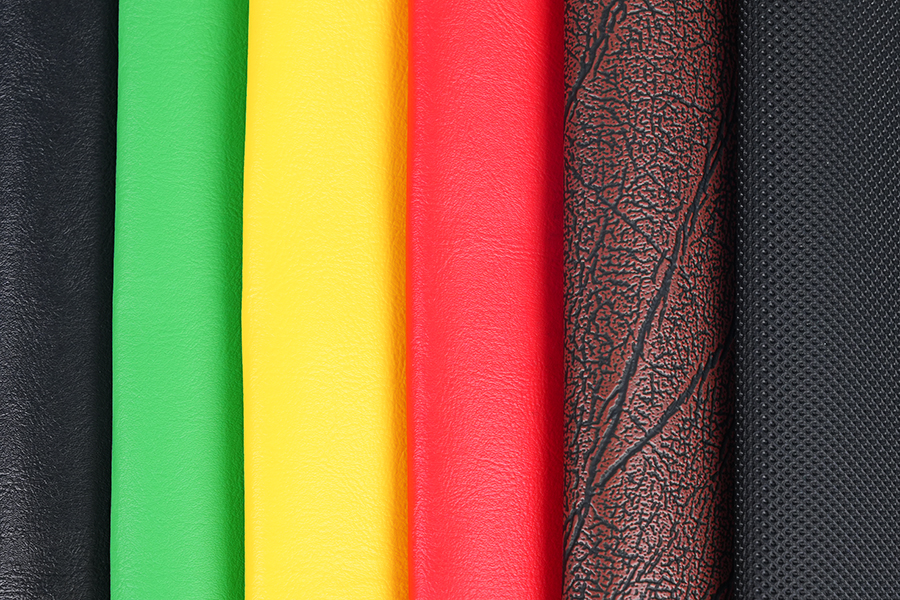
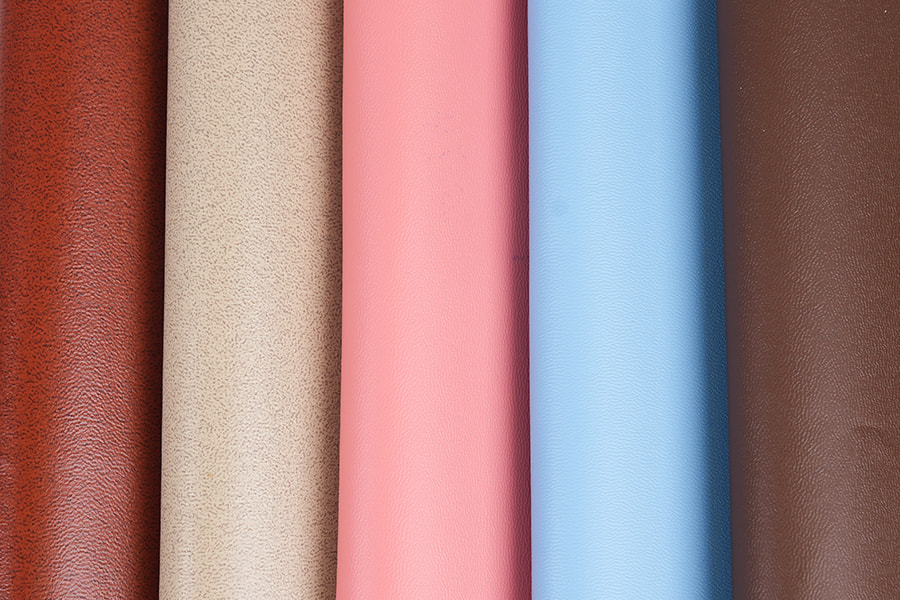
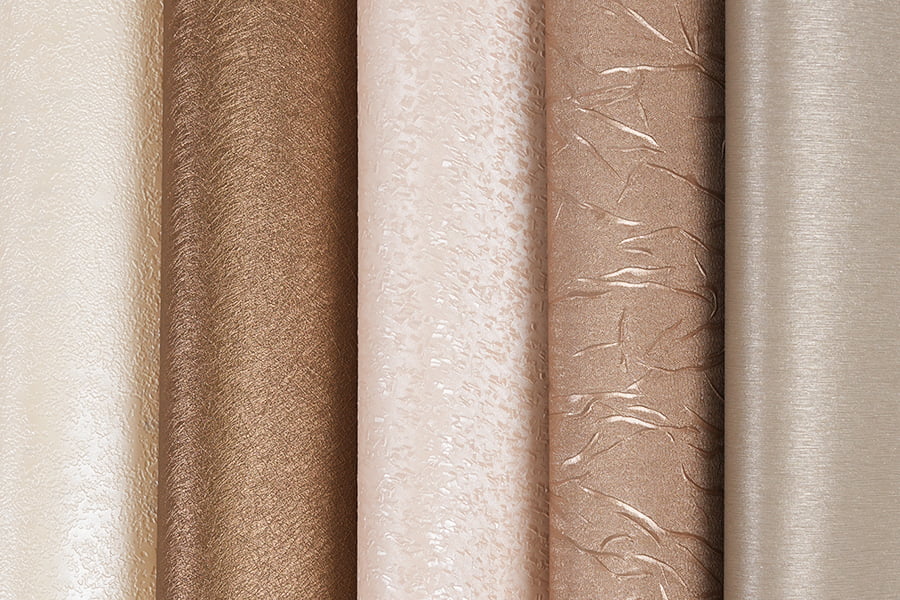
Available Appearance Embossed grain, matte, semi-matte, gloss, smooth and custom color surfaces
Typical Applications Furniture upholstery, vehicle trim, footwear, bags, packaging and interior decoration
01

What is PVC synthetic leather?

PVC synthetic leather is a multilayer material produced by coating or laminating PVC resin compounds onto woven, knitted or nonwoven fabric. The textile backing supplies strength and dimensional stability, while the PVC layers create thickness, grain, color, water resistance and surface protection.

02

Is PVC a type of leather?

PVC is not animal leather. It is a thermoplastic polymer used to manufacture artificial leather surfaces. The term PVC leather describes the finished composite material rather than a naturally derived hide. Its composition, manufacturing method and performance can be adjusted according to the intended product.

03

Is PVC leather good quality?

PVC leather can provide reliable quality when the backing, resin formulation, coating thickness, foaming process and surface treatment are properly controlled. Product quality should be evaluated through abrasion resistance, flex resistance, peel strength, color fastness, odor, surface uniformity and application-specific testing.

ENGINEERED STRUCTURE

How the Layers of Synthetic Leather PVC Affect Performance

The performance of synthetic leather PVC depends on the interaction between its textile base and polymer layers. Each layer performs a different function, making structural design more important than surface appearance alone.

Surface Finish Controls gloss, touch, stain resistance and scratch resistance
Compact PVC Skin Creates color, grain definition and abrasion resistance
PVC Foam Layer Provides thickness, softness, cushioning and body
Textile Backing Supports tensile strength, tear resistance and sewing stability

Textile backing

Polyester knitted fabric, woven fabric, cotton fabric and nonwoven substrates can be selected according to the required stretch, drape, strength and dimensional stability.

Foamed PVC layer

The foamed layer influences softness, thickness and weight. Uniform cell formation helps prevent uneven hand feel, weak areas and inconsistent surface appearance.

Compact surface layer

The compact layer gives synthetic pvc leather its visible color and grain while contributing to abrasion resistance, water resistance and cleaning performance.

Protective top finish

A dedicated finish can be applied to achieve dry touch, waxy touch, matte appearance, gloss control, stain resistance, improved wear resistance or easier cleaning.

PRODUCTION PROCESS

How to Make PVC Synthetic Leather

The answer to “how to make pvc synthetic leather” involves controlled formulation, coating, heating, foaming, embossing and finishing. Production parameters are adjusted according to thickness, flexibility, backing type, surface grain and final application.

01

Raw Material Formulation

PVC resin is blended with plasticizers, stabilizers, pigments, fillers, foaming agents and processing additives. The formulation determines softness, heat stability, color, density and processing behavior.

02

Backing Preparation

The fabric is inspected for width, tension, cleanliness and surface consistency. Pretreatment or primer may be applied to improve adhesion between the textile backing and PVC coating.

03

PVC Paste Coating

PVC plastisol is coated onto the backing or release paper. Coating gap, viscosity, line speed and fabric absorption are controlled to achieve consistent thickness across the roll.

04

Gelation and Foaming

The coated material passes through a heated oven. The PVC compound gels and the foaming agent creates a controlled cellular structure that contributes to thickness and flexibility.

05

Surface Grain Formation

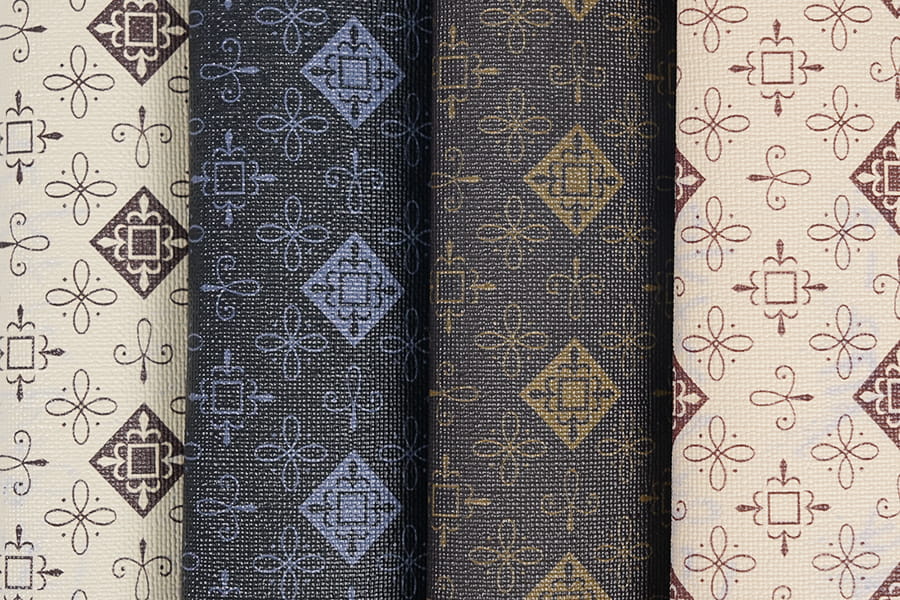
Embossing rollers or textured release paper create leather-like grains, fine geometric patterns, smooth surfaces or application-specific decorative effects.

06

Finishing and Inspection

Surface treatment is applied before cooling, curing, winding and inspection. Thickness, width, color, peel strength, abrasion resistance and visual consistency are checked before packing.

QUALITY EVALUATION

What Determines the Quality of PVC Leather?

Quality cannot be judged only by thickness, softness or grain appearance. A suitable pvc synthetic leather specification must balance physical strength, surface durability, flexibility, processability and the conditions of the final product.

Important purchasing point

A thicker product is not automatically more durable. A harder surface is not automatically more abrasion-resistant. Material structure and test performance should be reviewed together.

Surface consistency

Check for pinholes, particles, color variation, coating marks and incomplete embossing.

Peel strength

Stable bonding reduces the risk of separation during sewing, folding, upholstery and long-term use.

Abrasion resistance

The surface should withstand repeated contact without rapid grain loss, gloss change or coating damage.

Flex resistance

Repeated bending should not quickly cause whitening, cracking or delamination.

Color fastness

Dry rubbing, wet rubbing, heat exposure and contact migration should be evaluated for the intended use.

Odor control

Raw material selection, curing conditions and storage management influence the odor of the finished material.

REFERENCE SPECIFICATIONS

Common PVC Synthetic Leather Parameters

The following ranges are general references. Final values should be determined by product design, application conditions and required test standards.

Property Common Options or Range Why It Matters
Total thickness Approximately 0.6mm to 2.0mm Influences body, cushioning, weight and processing method
Usable width Commonly 1.37m to 1.50m Affects cutting layout and material utilization
Surface appearance Matte, semi-matte, gloss, smooth or embossed Determines visual style and product positioning
Backing structure Knitted, woven, nonwoven or brushed fabric Controls stretch, tear strength and dimensional stability
Surface touch Dry, smooth, waxy, soft or firm Influences comfort and perceived material quality
Abrasion performance Specified according to application Indicates resistance to repeated surface friction
Flex performance Specified according to product use Important for footwear, bags and folded components
Special functions Flame retardant, stain resistant, mildew resistant or easy-clean Supports specific indoor, transport or commercial environments
MATERIAL COMPARISON

PVC Synthetic Leather Compared with Other Leather Materials

Comparison Item PVC Synthetic Leather PU Synthetic Leather Natural Leather
Primary structure PVC coating combined with textile backing Polyurethane coating combined with textile backing Processed animal hide with natural fiber structure
Water resistance Generally strong Generally good Depends on surface treatment and maintenance
Color consistency Highly controllable Highly controllable Natural variation may occur
Texture selection Extensive grain and finish options Extensive grain and finish options Limited by the natural hide surface
Cleaning Usually easy to wipe and maintain Depends on the surface coating Often requires dedicated care
Batch uniformity Suitable for controlled large-volume production Suitable for controlled production Variation may exist between hides
Typical character Durable surface, structured hand feel and water resistance Soft hand feel and flexible surface options Natural grain, breathability and individual appearance
PRODUCT APPLICATIONS

Where Synthetic PVC Leather Is Commonly Used

Material construction should be selected according to the mechanical stress, environmental conditions and appearance requirements of the finished product.

01

Furniture Upholstery

Sofa, chair, headboard and office seating materials require abrasion resistance, stain resistance, stable color and a surface that can be cleaned efficiently.

Recommended focus Abrasion, peel strength, flex resistance, cleanability and flame performance
02

Automotive Interior Trim

Door panels, seat side sections, dashboards and decorative trim require controlled odor, heat resistance, low-temperature flexibility and consistent grain.

Recommended focus Heat aging, light fastness, fogging, odor, flame resistance and color migration
03

Bags and Luggage

Bag surfaces need a suitable balance between body, folding performance, tear strength and resistance to scratches during handling.

Recommended focus Tear strength, sewing stability, fold endurance, surface hardness and thickness
04

Footwear Materials

Shoe uppers, tongues and decorative sections require repeated flexing performance, reliable bonding and consistent thickness for cutting and stitching.

Recommended focus Flex resistance, peel strength, low-temperature performance and abrasion resistance
05

Interior Decoration

Wall panels, display surfaces, decorative wrapping and soft interior elements value grain definition, color control and installation performance.

Recommended focus Color consistency, adhesion, cutting performance, surface finish and flame requirements
06

Packaging and Stationery

Boxes, folders, notebooks and presentation products require an attractive finish, clean edges and reliable bonding during wrapping and assembly.

Recommended focus Surface appearance, adhesive compatibility, cutting stability and color uniformity

CUSTOM PRODUCT DEVELOPMENT

What Can Be Customized in PVC Synthetic Leather?

Color development

Custom colors can be matched according to physical samples, color references or approved production standards.

Grain and embossing

Leather grains, fine textures, geometric patterns and smooth surfaces can be developed for different product styles.

Thickness and backing

The PVC layer and textile backing can be adjusted to achieve specific weight, strength, stretch and hand feel.

Surface touch

Dry, soft, smooth, waxy, matte or firm touch effects can be created through surface formulation and finishing.

Functional treatment

Stain resistance, easy-clean performance, flame retardancy and mildew resistance can be developed when required.

Roll specifications

Width, roll length, packaging method and inspection criteria can be defined according to production requirements.

INFORMATION FOR SAMPLE DEVELOPMENT

Details That Help Create a More Accurate Material Specification

  • Intended product and application environment
  • Required thickness, width and backing structure
  • Preferred color, grain, gloss and surface touch
  • Expected abrasion, flex and peel performance
  • Required flame, odor or chemical testing
  • Cutting, sewing, wrapping or lamination process
MANUFACTURER SELECTION

How to Evaluate PVC Synthetic Leather Manufacturers

Reliable pvc synthetic leather manufacturers should be able to explain the complete material structure rather than provide only color and texture samples.

01

Clear Material Specification

The manufacturer should identify the backing type, total thickness, surface treatment, grain, usable width and intended application.

02

Controlled Production Process

Resin formulation, coating weight, oven temperature, foaming ratio, embossing pressure and winding tension should be consistently controlled.

03

Relevant Testing Capability

Testing should match the actual application, including abrasion, flex, peel, color fastness, odor, aging or flame performance where necessary.

04

Batch Consistency

Production batches should remain consistent in color, grain depth, gloss, hand feel, width and thickness within agreed tolerances.

05

Sample-to-Production Control

Approved samples should be supported by documented specifications to reduce differences between development material and formal production.

06

Application Support

Material recommendations should consider cutting, sewing, bonding, upholstery, wrapping and the environmental conditions of the finished product.

COMMON QUESTIONS

PVC Synthetic Leather FAQ

What is PVC synthetic leather made of?

It is commonly made from a textile backing coated with formulated PVC layers. The formula may contain PVC resin, plasticizers, stabilizers, pigments, fillers, foaming agents and surface treatment materials.

Is PVC a type of leather?

No. PVC is a synthetic polymer. PVC leather is a manufactured composite designed to provide a leather-like appearance and practical surface properties.

Is PVC leather good quality for furniture?

It can be suitable for furniture when the material has appropriate abrasion resistance, peel strength, flex performance, stain resistance and flame properties for the intended seating environment.

Can synthetic leather PVC be customized?

Color, grain, gloss, thickness, backing, hand feel and selected functional treatments can be adjusted to suit different product designs and performance requirements.

How should PVC synthetic leather be cleaned?

Loose dust can be removed with a soft cloth. Light stains may be wiped with a damp cloth and mild cleaning solution. Strong solvents and untested chemicals should be avoided because they may damage the surface finish.

What should be confirmed before ordering synthetic PVC leather?

Confirm the application, thickness, width, backing, grain, color, gloss, touch, physical performance, testing requirements, roll length and acceptable production tolerances.

MATERIAL DEVELOPMENT SUPPORT

Need PVC Synthetic Leather for a Specific Product?

Provide the intended application, preferred surface, required dimensions and performance targets. A suitable construction can then be developed around the backing, PVC formulation, thickness, grain and finishing requirements.

Specify the application Furniture, automotive trim, footwear, bags, decoration or packaging
Define the surface Color, grain, gloss, touch and cleaning performance
Confirm the performance Abrasion, flex, peel strength, aging, flame or odor requirements

News