language

Search

 中文简体
中文简体 English
 Español
 عربى
عربى Indonesia
Inquiry Now 
In modern industrial manufacturing, automotive interiors, high-end furniture, and outdoor equipment sectors, finding materials that balance cost, functionality, and aesthetics remains a core challenge. With the evolution of polymer material technology, traditional natural leather is no longer the sole option. As the most widely utilized insulation, waterproof, and wear-resistant materials in current industrial applications, pvc leather and the broader category of synthetic leather assume vital roles in engineering design.
For material procurement engineers, product designers, and quality control experts, understanding the internal microstructure, mechanical performance, and failure mechanisms under specific physical environments of different synthetic leather material options is key to ensuring the quality stability of end products.
From the perspective of material processing technology, synthetic leather is a broad technical term encompassing all imitation leather materials where a polymer coating is combined with a fabric base through artificial composite technology. Within this large family, pvc leather and polyurethane materials occupy the mainstream.
The standard structure of pvc leather is typically divided into three layers:
Surface Protective Layer: Usually an extremely thin layer of polyurethane (PU) or special acrylic resin, used to provide basic scratch resistance and gloss control.
Foam Layer and Compact Layer: This is the key factor determining the material feel and physical strength. PVC powder, plasticizers, and stabilizers are mixed into a paste resin, which is then attached to the substrate by coating or calendering. The foam layer provides resilience, while the compact layer provides tear tension resistance.
Backing Fabric: Knitted cloth, woven cloth, or non-woven fabric is utilized. The material of the backing directly determines the elongation rate and peel strength of the specific synthetic leather material.
In comparison, a broad synthetic leather material might adopt a more complex microporous polyurethane structure, striving to simulate the breathability of natural leather. However, in extreme industrial or high-frequency usage scenarios requiring absolute waterproofing, mildew resistance, and chemical acid-alkali resistance, the more densely structured pvc leather often demonstrates a more decisive technical advantage.
In practical engineering applications, choosing between pvc leather and other types of synthetic leather material must rely on rigorous experimental parameter indicators. Below is a conventional core technical indicator comparison of two typical industrial-grade materials:
| Tensile Strength | >= 250 N / 5cm | >= 350 N / 5cm | ASTM D751 / ISO 1421 |
| Tear Strength | >= 35 N | >= 40 N | ASTM D2261 / ISO 4674 |
| Martindale Abrasion Resistance | 50,000 - 100,000 times (No damage) | 30,000 - 80,000 times | ISO 12947-2 (12kPa pressure) |
| Hydrolysis Resistance | Excellent (No risk of degradation under long-term water immersion) | 3 - 10 years (Depending on temperature and humidity environments) | ISO 1419 (Tropical simulation test) |
| UV Resistance Grade | Grade 4 - 5 (Highly effective UV inhibitors can be added) | Grade 3 - 4 | ISO 105-B02 |
| Cold Crack Resistance Temperature | -20°C to -30°C (Special formulation) | -30°C to -40°C | ASTM D2136 |
| Flame Retardancy | Naturally possesses flame-retardant groups, easily meets FMVSS 302 | Requires high proportion of flame retardant additions to achieve | FMVSS 302 / BS 5852 |
Under long-term contact, heavy-load operation, or variable climates, the surface of synthetic leather may experience failure phenomena such as cracking, delamination, or hardening. Understanding these issues and solving them from the technical source can significantly upgrade the service life of final products.
pvc leather requires the addition of plasticizers during manufacturing to obtain flexibility. However, under high temperatures or contact with specific organic solvents, low-molecular-weight plasticizers easily migrate to the material surface and volatilize, causing the matrix to harden, become brittle, and subsequently crack.
Solution: In high-demand industrial equipment and automotive seat interiors, high-molecular-weight polymeric plasticizers (such as polyester plasticizers) should be introduced, or blended with eco-friendly epoxidized vegetable oils to significantly reduce molecular migration rates, ensuring that this synthetic leather material remains excellently flexible after years of cyclic heat aging tests.
Exposed to outdoor sunlight, synthetic leather material is prone to synergistic attacks by ultraviolet (UV) light and oxygen in the air, causing polymer chain scission, surface discoloration, yellowing, and strength reduction.
Solution: Hindered amine light stabilizers (HALS) and UV absorbers must be introduced into the formulation design. Especially in light-colored pvc leather, the purity and crystal form of titanium dioxide in the formula (rutile type is recommended) and the compounding ratio of stabilizers directly determine whether its weather resistance rating can meet international standards for complete vehicles or large-space public buildings.
Delamination is one of the most fatal quality defects of synthetic leather. This is usually caused by a mismatch in interfacial tension between the coating resin and the fabric base, or hydrolysis of the adhesive under humid environments.
Solution: During the pre-treatment stage of the base fabric, physical napping or plasma treatment is applied to increase the contact surface area; meanwhile, the temperature and main roll pressure are strictly controlled during the calendering and lamination process to enable the coating material to penetrate into the gaps of the fabric fibers, ensuring that the physical peel strength remains consistently stable at a high level.
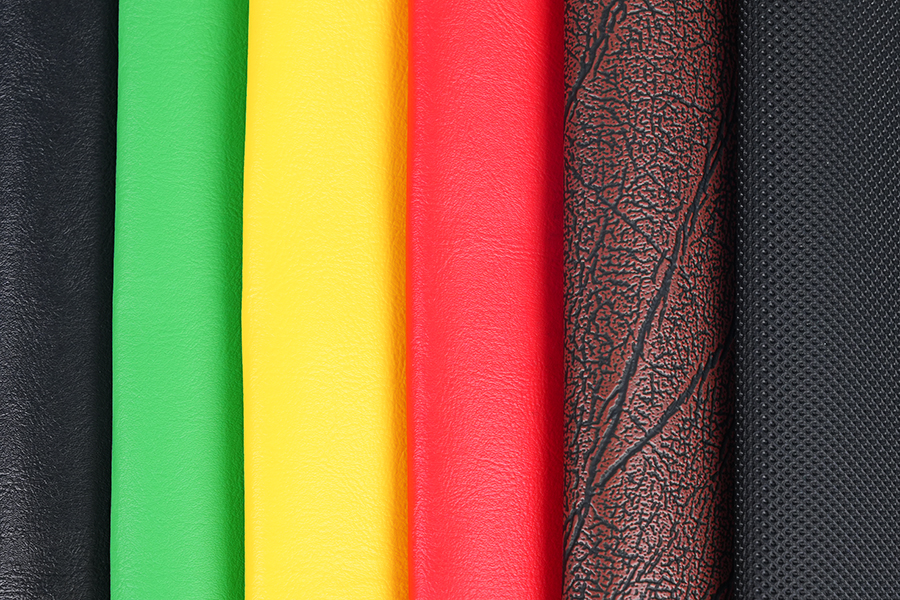
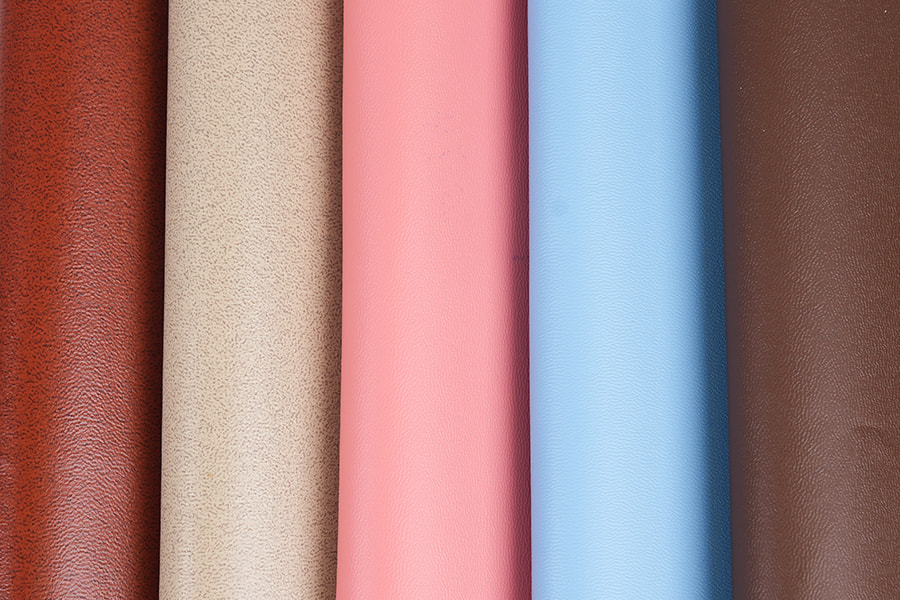
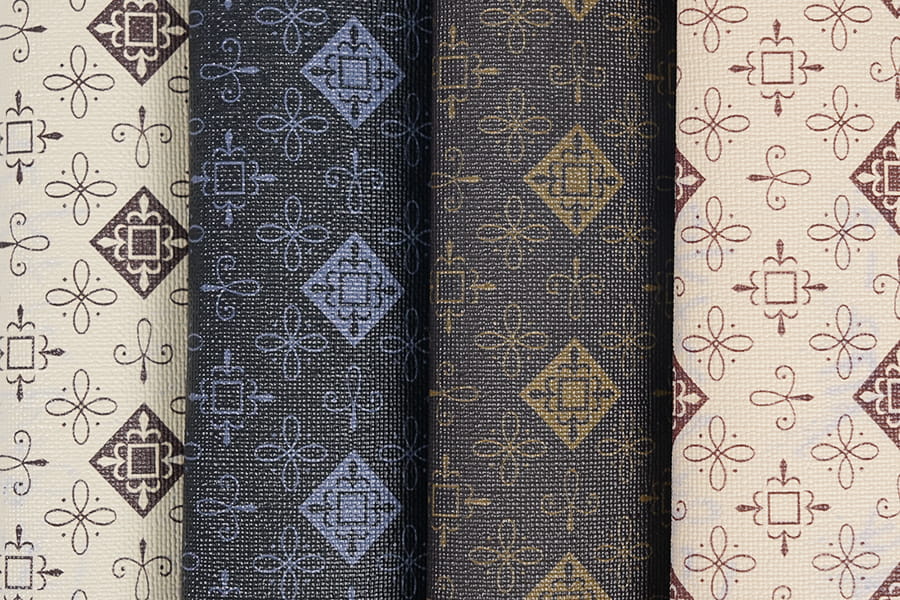
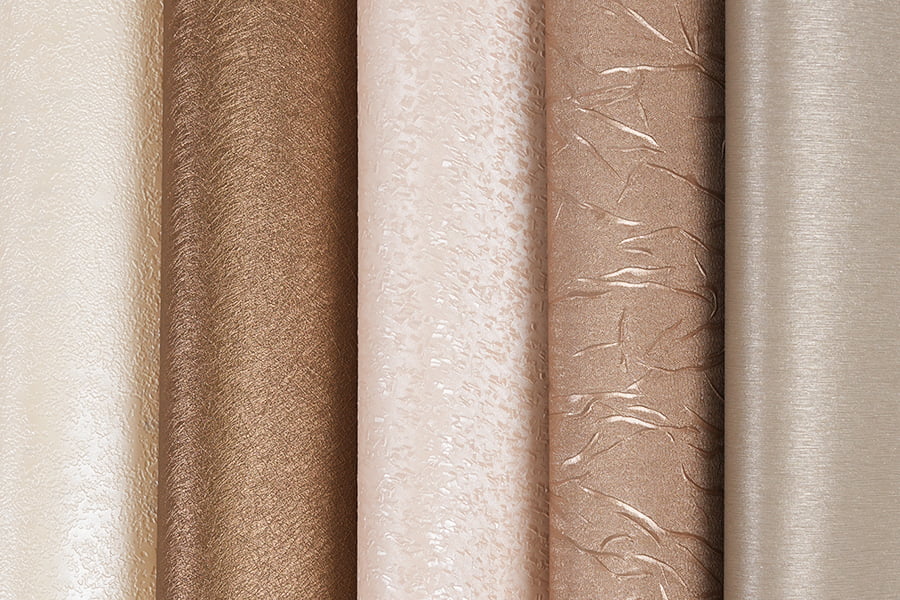
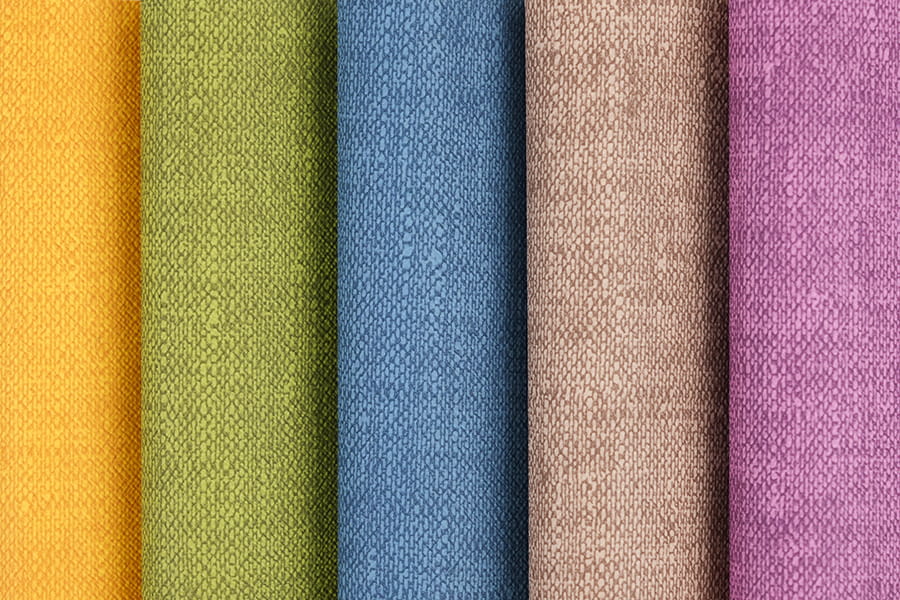
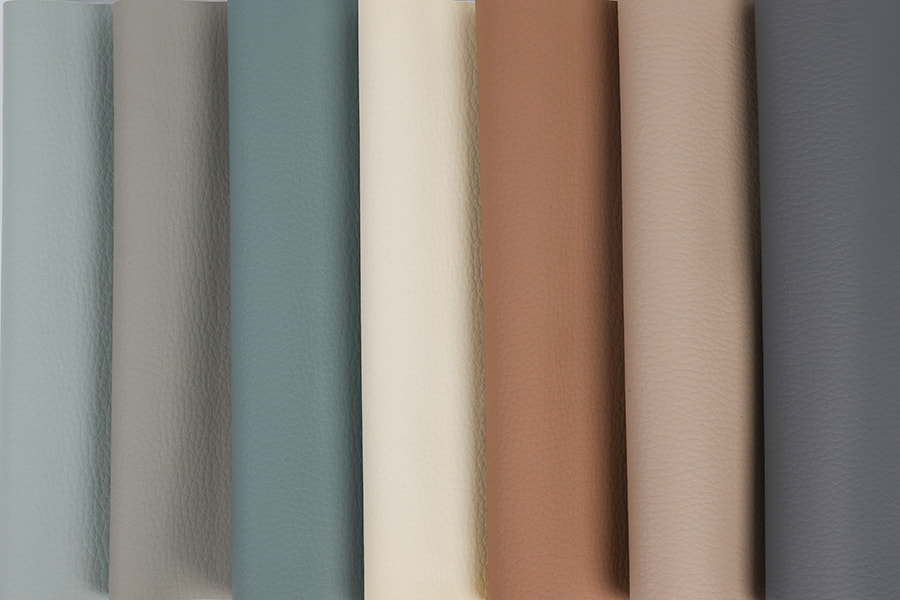
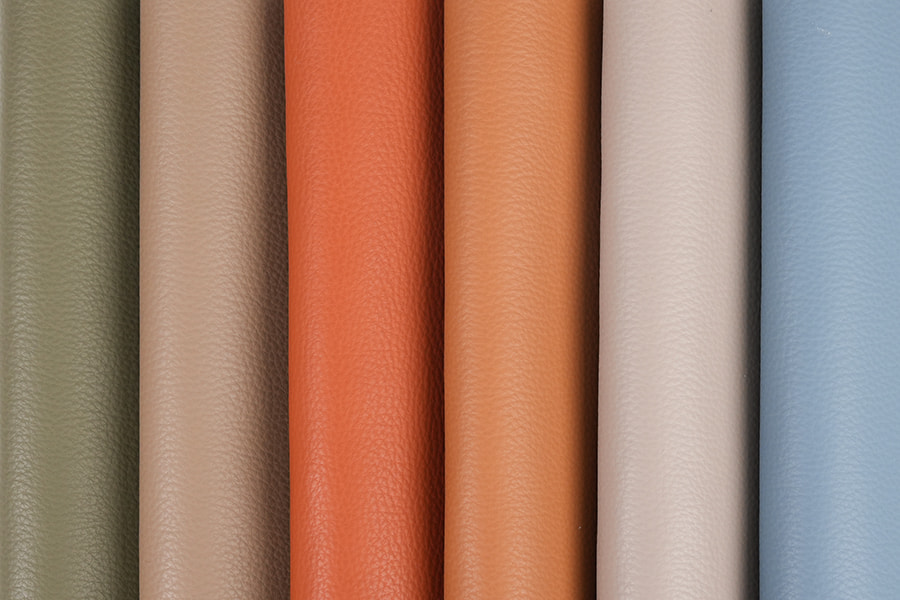
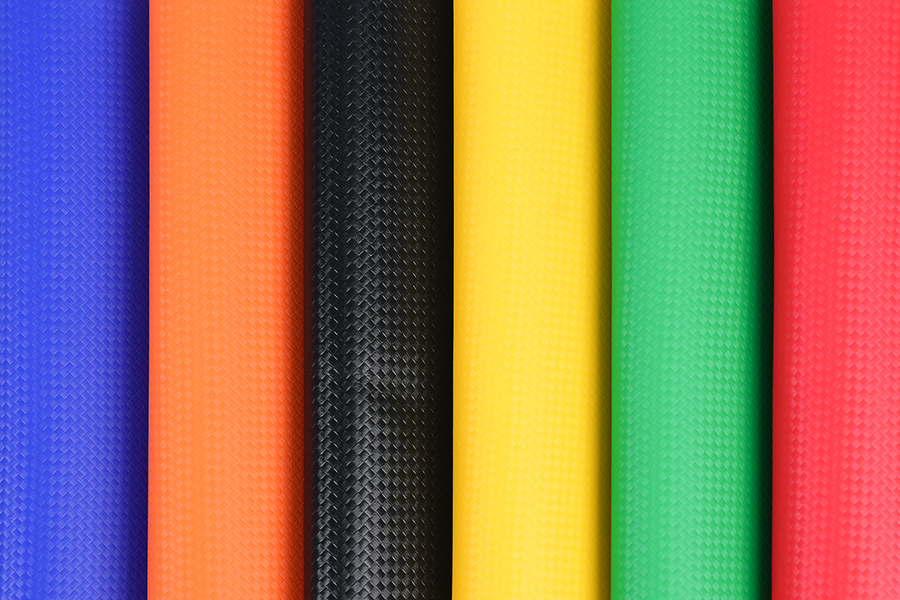
The Versatility of Sofa Artificial Leather in Different Home Decor Styles Sofa artificial leather has gained significant popularity as a material for home furniture, owing to its impressive versatilit...
View MoreIntroduction to Synthetic Leather What is Synthetic Leather? Definition and overview: Synthetic leather, also known as faux leather, vegan leather, or artificial leather, is a man-made material desig...
View MorePVC (Polyvinyl Chloride) and PU (Polyurethane) are two popular materials used in the production of automotive synthetic leather, each with its unique characteristics. Below are the key differences: Ma...
View MoreIntroduction of Synthetic Leather for Shoes What Is Synthetic Leather? Synthetic leather refers to any man-made material designed to imitate the appearance, texture, and qualities of genuine leather. ...
View MoreCopyright © Fu'an Synthetic Materials Co.,Ltd. Rights Reserved.
 Privacy
Custom PVC Synthetic/Artificial Leather Manufacturers
Privacy
Custom PVC Synthetic/Artificial Leather Manufacturers