language

Search

 中文简体
中文简体 English
 Español
 عربى
عربى Indonesia
Inquiry Now 
No, PVC leather is not real leather. It is a completely synthetic material made from polyvinyl chloride resin, plasticizers, stabilizers, and pigments, usually coated onto a knitted or woven fabric backing. Its surface is designed to imitate the grain, texture, and tone of animal hide, which is why so many buyers confuse the two. Yet the difference matters more than most people realize.
As a manufacturer of ecological and synthetic leather for nearly two decades, we have worked with furniture makers, automotive seat producers, luggage brands, footwear factories, and fitness equipment suppliers. Every month, customers ask us the same question: “Is PVC leather real leather?” The short answer is no. The longer answer involves material science, performance trade-offs, cost structures, and the practical needs of your product line.
This article is not a one-paragraph yes-or-no answer. It is a full guide that covers composition, key differences, durability, environmental impact, maintenance, and specific application advice. If you are sourcing upholstery or surface materials for a commercial product, this guide will help you decide whether PVC leather, genuine leather, or a hybrid solution is the right fit.
PVC leather, sometimes called vinyl leather, is an artificial leather made primarily from polyvinyl chloride. The base layer is typically a polyester or cotton fabric, which gives the material tensile strength and flexibility. A coating of PVC resin, plasticizer, stabilizer, filler, and colorant is then applied to the fabric using processes like calendar coating or transfer coating.
The plasticizer is what makes the PVC flexible rather than rigid. Different amounts of plasticizer produce different hardness levels, so manufacturers can tune the hand feel from very soft to stiff. The surface is then embossed with a grain pattern – for example, smooth calf leather, pebbled grain, or crocodile texture – to mimic the appearance of animal leather.
Because PVC leather is manufactured in a controlled industrial environment, it offers several inherent benefits:
PVC leather is used in many industries. At our own facility, we produce PVC-based synthetic leather for automotive interiors, sofa upholstery, bags and luggage, shoe uppers, fitness equipment, and interior decoration. Each category uses a different base fabric, coating formula, and finishing treatment to meet specific physical requirements.
Real leather is a natural material made from animal hides – most commonly cowhide, sheepskin, goatskin, and pigskin. The raw hide is preserved, soaked, limed, split, tanned, and often dyed or coated to create a durable and usable sheet. The tanning process changes the protein structure of the hide so that it does not rot, shrink, or stiffen.
There are several grades of genuine leather, each with different performance and appearance:
Genuine leather is valued for its natural look, breathability, and aging characteristics. It absorbs moisture, feels warm to the touch, and gradually develops a rich patina. However, it also requires more care than synthetic materials. It can be stained by water and oil, needs regular conditioning to avoid cracking, and is much more expensive.
The easiest way to understand the difference is to compare the two materials side by side. The table below summarizes the most important factors that affect purchasing decisions.
| Characteristic | PVC Leather | Real Leather |
|---|---|---|
| Material composition | Polyvinyl chloride + plasticizers + fabric backing | Animal hide (mostly cowhide, sheepskin, goatskin) |
| Breathability | Low – does not allow air or moisture vapor to pass easily | High – the natural pore structure allows air circulation |
| Durability | Good – resists abrasion, tearing, and cracking if properly formulated | Very good – strong and flexible, but can dry out or crack without care |
| Water resistance | Excellent – surface is nearly waterproof | Low – absorbs water; can stain and damage if left wet |
| Maintenance | Easy – wipe with mild soap and water | Requires conditioning, special cleaners, and protection |
| Appearance | Uniform, consistent grain; can mimic leather textures | Natural grain with variations, marks, and a unique patina |
| Price | Much lower – typically $5 to $15 per square meter for quality PVC | Higher – typically $20 to $50+ per square meter |
| Lifespan | 5–10 years depending on application and care | 10–20+ years with proper maintenance |
| Environmental impact | Uses fossil-based PVC resins and plasticizers; some emissions and disposal concerns | Uses land, water, feed, and tanning chemicals; potential by-products and waste |
| Application fit | Suitable for high-moisture, high-pollution, budget-conscious products | Preferred for luxury goods, heritage leather goods, and high-end interiors |
The chart below gives a rough visual indication of typical price levels for commercial-quality PVC leather versus genuine leather. Actual prices vary widely by country, type, and quality grade, but the difference in cost is substantial in almost every market.
PVC Leather
$5–15 per m²
Real Leather
$20–50 per m²
If you are also trying to understand how PVC compares to PU (polyurethane) artificial leather, we have covered that in a separate detailed article on PVC vs PU artificial leather.
The name “leather” is part of the problem. In many industries, any material that visually resembles animal hide is loosely called “leather,” even if it contains zero animal products. PVC leather is sold as “faux leather,” “leatherette,” “vegan leather,” or simply “artificial leather.” This terminology makes it easy for consumers to assume it is a type of leather.
Another reason is the manufacturing quality. Modern PVC leather can be produced with high-definition embossing, soft-touch coatings, and even matte or glossy finishes that closely mirror genuine leather. When you see a sofa in a showroom that looks identical to a leather sofa but costs one-third of the price, it is reasonable to ask whether it is actually real leather.
Finally, wear behavior also causes confusion. A high-quality PVC leather can have a similar initial drape and fold to genuine leather. Over the first few months, both materials may develop surface creases. The difference appears later: genuine leather softens and develops a natural patina, while PVC leather usually keeps its original appearance or may gradually show cracking in low-grade products.
If you are buying a product and want to confirm whether it is genuinely leather, there are several practical tests you can do. None of them are destructive if performed carefully, but they require attention.
These tests are useful for both consumers and importers who want to verify material claims from a supplier. As a manufacturer, we often recommend that companies ask for a material data sheet or physical sample before placing a large order.
The decision between PVC leather and real leather is not about which is “better” in an absolute sense. It depends on your product category, target price point, performance requirements, and brand positioning. Below we break down the major applications and explain where PVC leather fits best.
Car seats, door panels, dashboards, and armrests face intense sun exposure, temperature extremes, sweat, and frequent cleaning. PVC leather is an excellent choice for mid-range cars because it is water-resistant, easy to wipe down, and available in a wide range of automotive-grade textures. High-quality PVC leather can also pass low-fogging, UV-resistance, and fire-retardant tests required by automotive OEMs. We manufacture high-wear-resistant PVC car interior leather that is specifically designed for this demanding environment.
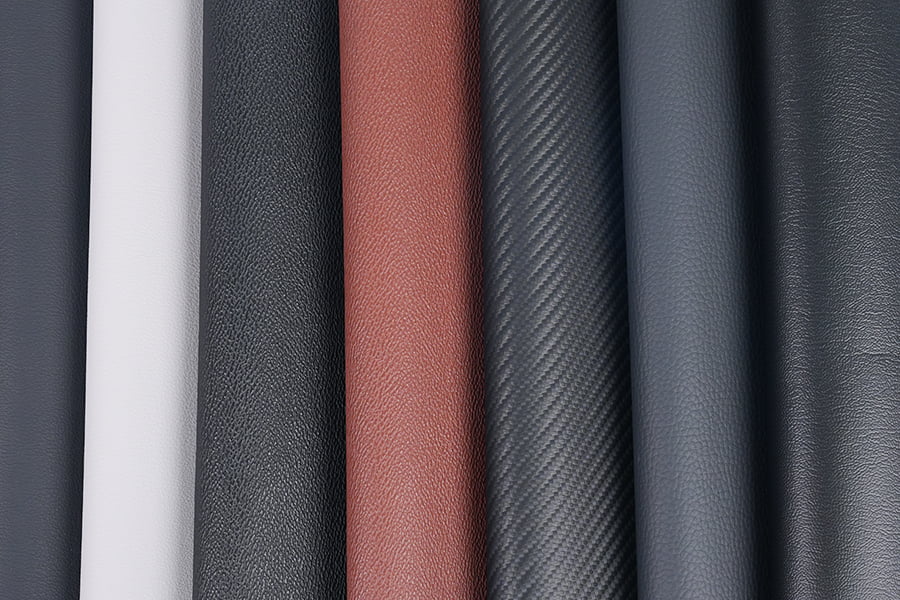 High Wear-Resistant PVC Artificial Leather for Automotive InteriorsDesigned for car seats, door panels, and armrests, this PVC/PU leather withstands sun exposure, frequent cleaning, and heavy use. It supports custom textures and thicknesses from 0.6 to 1.2 mm.View Product →
For sofas and chairs, the main requirements are abrasion resistance, stain resistance, touch comfort, and fire safety. PVC leather is a popular choice for family rooms and commercial spaces because it does not absorb spills and can be cleaned with a mild detergent. It also resists pet hair and scratches better than many fabrics. Our anti-peeling, durable synthetic leather for sofas is engineered to prevent surface delamination, a common issue with lower-grade artificial leather.
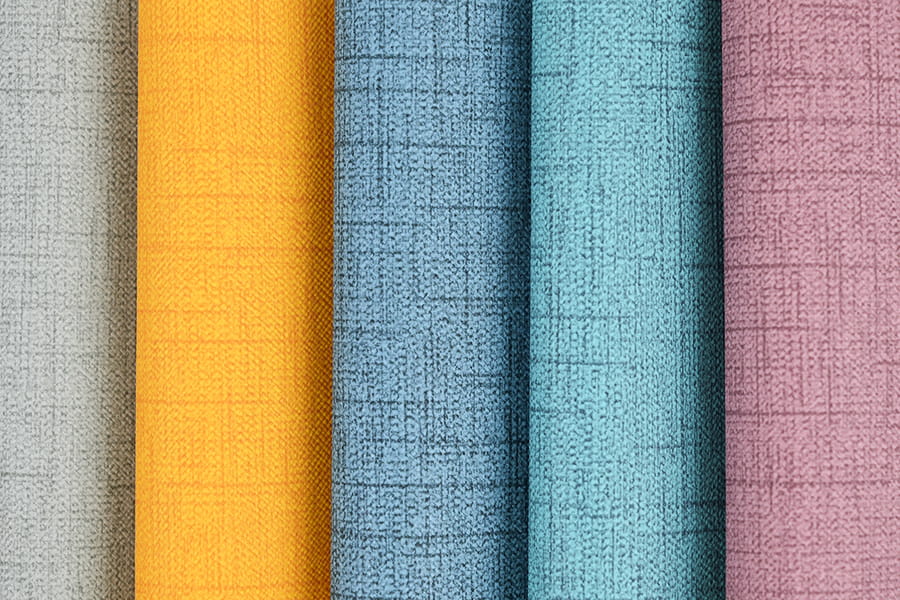 Anti-Peeling Durable Synthetic Leather for Sofas and ChairsThis PVC/PU leather resists spills, scratches, and delamination, making it ideal for family rooms and commercial seating. Available in custom colors and surface finishes with strong production capacity.View Product →
Luggage and bags are frequently exposed to water, friction, and rough handling. PVC leather offers consistent color and texture, so panels match perfectly. Lightweight and scratch-resistant artificial leather is a good option for polycarbonate or fabric-based luggage shells. For premium fashion bags, textured PVC leather can mimic crocodile or embossed calf grain at a fraction of the cost of genuine exotic skin.
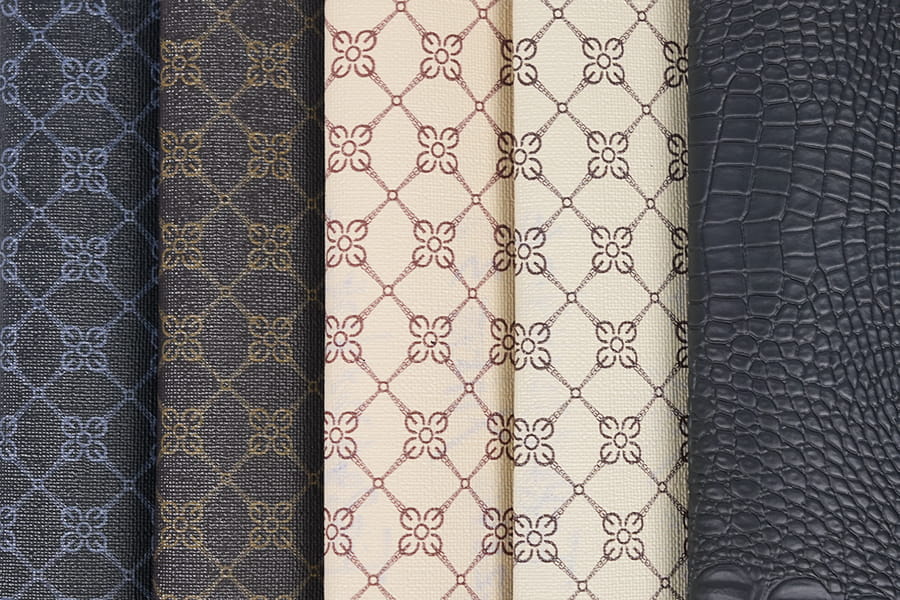 Lightweight Scratch-Resistant Artificial Leather for Bags and LuggageMade of PVC/PU with thickness from 0.4 to 2.0 mm, this leather offers a soft touch and durable scratch resistance. Its lightweight nature suits luggage and bags, with many texture options.View Product →
Shoe manufacturers often choose synthetic leather for the upper and lining because it offers uniform thickness and easy assembly. Breathable, antiwrinkle, and high-stretch properties are key for a comfortable fit. PVC leather can also be manufactured to be waterproof, making it suitable for outdoor and winter footwear.
Professional fitness equipment is used by people who sweat heavily, so the surface must resist moisture, friction, and cleaning chemicals. PVC leather with sweatproof and flame-retardant properties is widely used on machine pads, benches, and massage beds. It is much easier to sanitize than fabric or genuine leather.
Sustainability is becoming a central factor in material selection. Both PVC leather and real leather have environmental costs, but the comparison is more nuanced than most people assume.
Conventional PVC is made from vinyl chloride monomer, which is produced from ethylene and chlorine. The production process consumes fossil fuels and can release hazardous by-products if not carefully controlled. Some plasticizers, particularly phthalates, have been restricted in consumer products due to endocrine-disruption concerns. However, many modern manufacturers now use non-phthalate plasticizers, bio-based plasticizers, and recycled PVC. PVC can be recycled, and some countries have established collection systems for post-industrial PVC waste.
Genuine leather starts with animal farming, which involves land use, water consumption, manure management, and greenhouse gas emissions. Tanning, especially chrome tanning, generates wastewater and solid waste containing chromium and other chemicals. Many tanneries have improved water treatment and use chromium recovery systems, but the industry still faces scrutiny from environmental groups. Vegetable tanning is a more eco-friendly alternative, but it is slower and more expensive.
If you are a brand looking for a lower-impact material, consider the following:
As a synthetic leather manufacturer, we are part of a broader industry shift toward more sustainable materials. We produce ecological synthetic leather and environmentally friendly decoration leather, and we continuously test alternative resin systems and plasticizers. The key is to balance performance, cost, and impact.
When you buy PVC leather for a production line, small differences in formulation can have a large effect on cutting quality, sewing efficiency, product lifespan, and customer returns. Here is a practical sourcing checklist based on decades of manufacturing experience.
No. PVC leather is a synthetic material made by coating a fabric base with polyvinyl chloride. It does not contain any animal components and is not a form of genuine leather.
With proper care, good-quality PVC leather can last between five and ten years. In low-traffic applications such as occasional-use furniture, it can last longer. Continuous friction and exposure to ultraviolet light will shorten its lifespan.
Some PVC leather can be recycled through specialized processes that separate the PVC coating from the fabric backing. However, recycling rates are still low. Many manufacturers are working on more recyclable formulations.
Yes, if you choose a grade designed for automotive use. Automotive PVC leather is formulated to resist UV radiation, heat, and fogging. It is also easy to clean, which is important for car seats and door panels.
PVC leather is produced from inexpensive petrochemical raw materials, and the manufacturing process is highly automated. In contrast, real leather requires animal farming, transport, tanning, and skilled finishing, which are all labor-intensive and costly.
The best sofa synthetic leather balances abrasion resistance, softness, stain resistance, and fire retarding. PVC leather with a thick wear layer is a popular choice. For a more breathable and slightly softer feel, PU leather is an alternative. You can see our range of synthetic leather products to compare different constructions.
Rather than trying to make a universal judgment, use your product requirements as the filter. The following questions will help your team arrive at the right material decision.
We hope this guide has given you a clear picture of the difference between PVC leather and real leather. If you are a product developer or procurement manager who needs help selecting the right synthetic leather for a specific application, our engineering team is available to evaluate your project requirements.
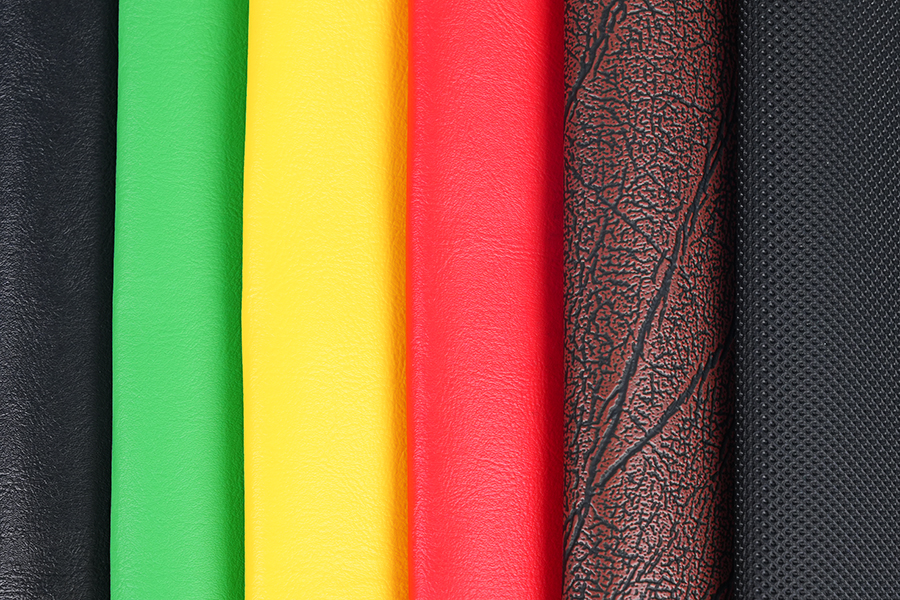
The Versatility of Sofa Artificial Leather in Different Home Decor Styles Sofa artificial leather has gained significant popularity as a material for home furniture, owing to its impressive versatilit...
View MoreIntroduction to Synthetic Leather What is Synthetic Leather? Definition and overview: Synthetic leather, also known as faux leather, vegan leather, or artificial leather, is a man-made material desig...
View MorePVC (Polyvinyl Chloride) and PU (Polyurethane) are two popular materials used in the production of automotive synthetic leather, each with its unique characteristics. Below are the key differences: Ma...
View MoreIntroduction of Synthetic Leather for Shoes What Is Synthetic Leather? Synthetic leather refers to any man-made material designed to imitate the appearance, texture, and qualities of genuine leather. ...
View MoreCopyright © Fu'an Synthetic Materials Co.,Ltd. Rights Reserved.
 Privacy
Custom PVC Synthetic/Artificial Leather Manufacturers
Privacy
Custom PVC Synthetic/Artificial Leather Manufacturers