language

Search

 中文简体
中文简体 English
 Español
 عربى
عربى Indonesia
Inquiry Now 
In global soft home furnishings, automotive interiors, fashion luggage, and footwear manufacturing industries, the physical performance and visual texture of fabrics directly determine the market competitiveness of end products. As a premium alternative to traditional genuine leather, Synthetic Leather has made breakthrough progress in process research and development in recent years. Today's manufacturing enterprises and buyers evaluate materials focusing not only on cost advantages, but more on functional performance in different application scenarios.
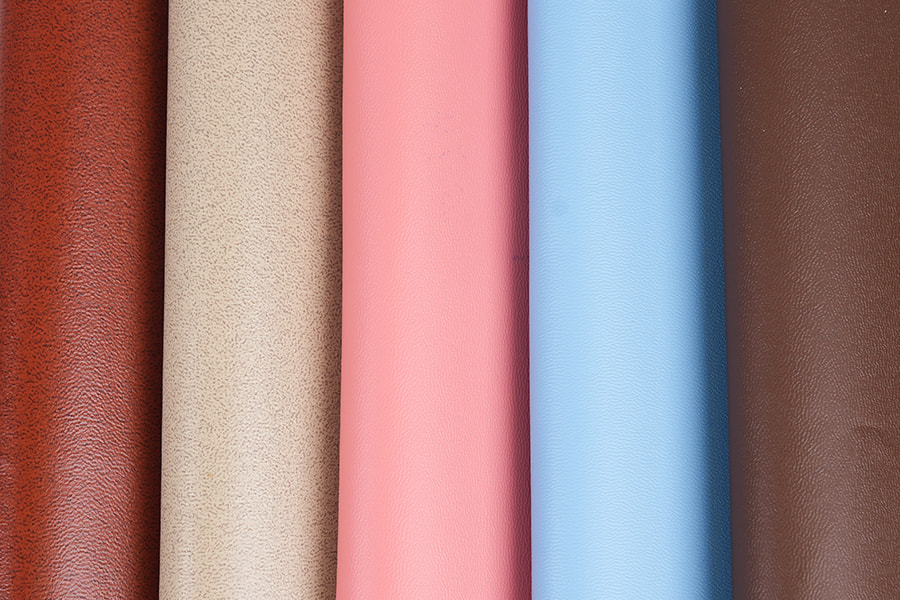
Within the diversified family of synthetic leather, faux leather has developed multiple distinct material branches. Understanding the underlying technical differences among these faux leather material options can help enterprises accurately match physical property indicators during product development, thereby significantly reducing after-sales costs caused by incorrect material selection.
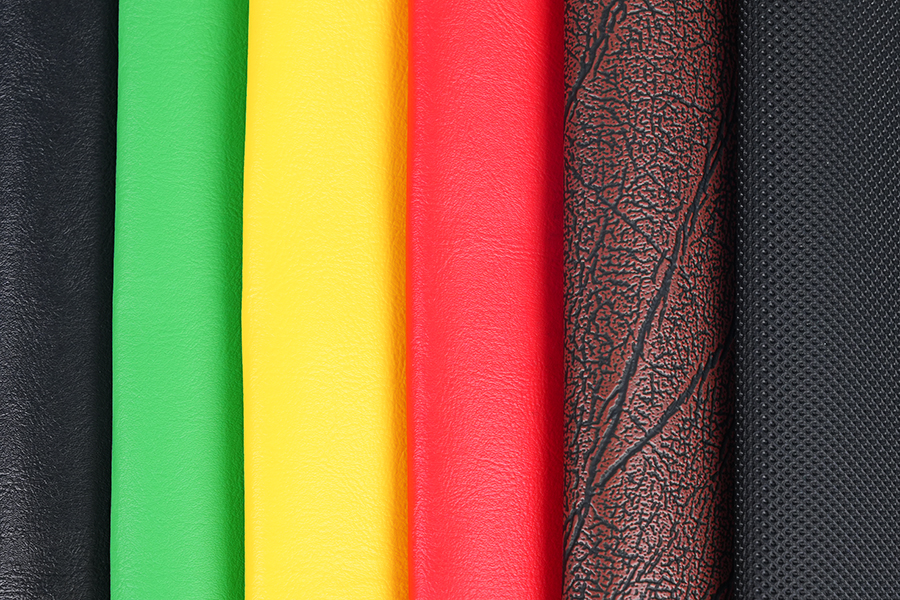
In practical manufacturing applications, pvc leather and standard faux leather based on polyurethane technology are the two most common materials. They exhibit completely different physical characteristics in tensile strength, abrasion resistance, temperature variation resistance, and tactile softness.
To present the performance differences between these two core materials more intuitively, the parameters under standard industrial testing environments are listed below:
| Physical Performance Indicator / Technical Parameter | pvc leather | High-Performance faux leather |
| Tearing Strength | Greater than or equal to 25 N/mm | Greater than or equal to 40 N/mm |
| Peeling Strength | Greater than or equal to 20 N/cm | Greater than or equal to 35 N/cm |
| Martindale Abrasion | 20,000 - 50,000 times | 50,000 - 150,000 times |
| Cold Resistance | Easy to harden at -15 degrees Celsius | Maintains flexibility at -30 degrees Celsius |
| Breathability and Moisture Permeability | Low (requires mechanical punching) | Good (with microporous structure) |
| Flame Retardant Substrate Adaptability | Easy to add flame retardants, complies with BS5852 | Can be customized flame retardant, slightly higher cost |
The parameter comparison shows that pvc leather possesses excellent mechanical strength and extremely high cost-effectiveness, making it particularly suitable for infrastructure, heavy-duty public seating, and industrial protective packaging with specific weather resistance requirements. On the other hand, high-quality faux leather material performs more prominently in wear resistance cycles, anti-aging properties, and low-temperature anti-cracking performance.
With the surge in demand for personalized and customized products in the consumer market, a single smooth surface of Synthetic Leather can no longer satisfy the design demands of high-end manufacturing. The intervention of surface modification processes has given rise to more diverse fabric forms.
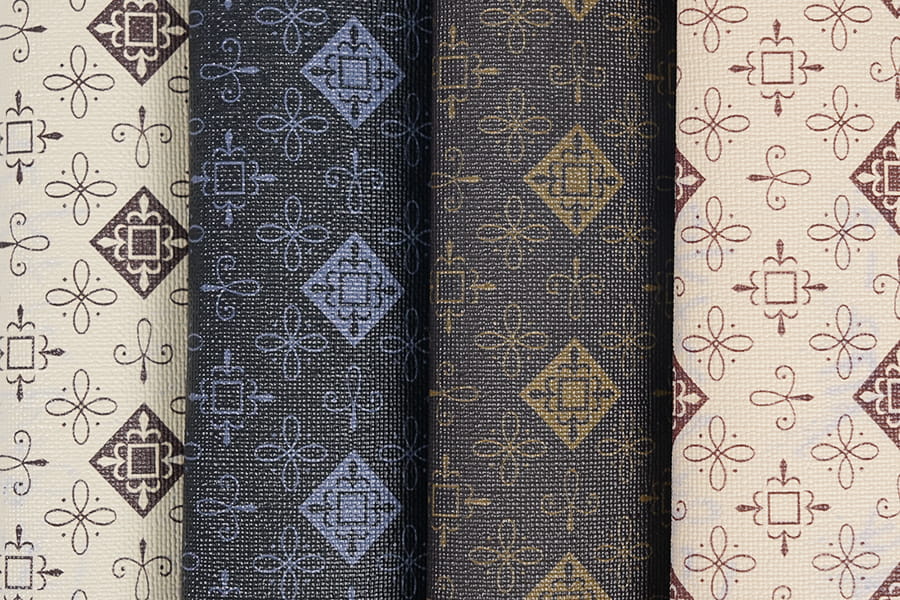
printed faux leather mainly utilizes precise rotary screen printing, transfer printing, or industrial digital inkjet technology to cure high-precision textures, geometric lines, or custom patterns onto the surface of the fabric. High-quality printed faux leather is covered with a wear-resistant, anti-UV polymer protective top coat during the manufacturing process to ensure that the pattern does not fade or peel after long-term use, sunlight exposure, and frequent wiping, meeting the strict inspection standards of luggage linings and facing materials.
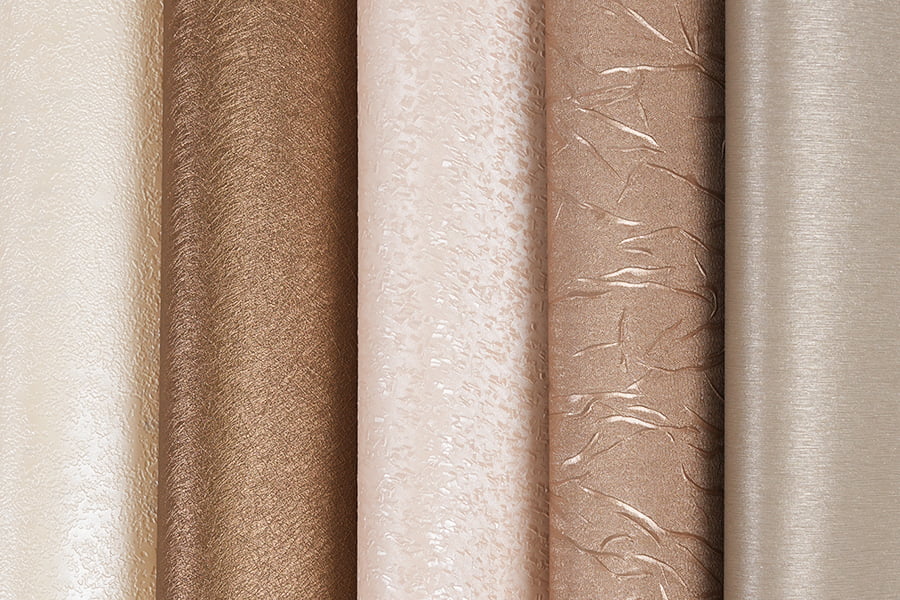
Different from the printing process that relies on color expression, patterned faux leather focuses more on the reshaping of three-dimensional touch. Through engraving steel rollers heated under high pressure, consistent, deep, and clear textures are pressed onto the surface of the faux leather material, such as classic litchi grain, crocodile grain, pinhole grain, or modern geometric concave-convex textures. Premium patterned faux leather possesses excellent texture retention stability; even during processing under high-temperature leather stretching and wrapping, its surface three-dimensional pattern will not undergo significant deformation or smoothing.
In the process of sourcing and applying Synthetic Leather, manufacturing enterprises frequently encounter two core pain points: fabric substrate delamination and residual odor. Solving these problems requires starting from both raw material control and production process sources.
Anti-delamination control: The delamination of artificial leather is essentially the failure of adhesion between the polymer coating and the backing fabric. High-quality faux leather adopts hot-melt adhesive composite processes or wet-line direct coating technology to allow the resin to completely penetrate into the substrate fibers. When testing the peeling strength, ensuring the indicator reaches above 30 N/cm can effectively eliminate blistering and delamination phenomena in later use.
Odor and environmental control: Traditional pvc leather is prone to emitting a pungent odor if plasticizers are used improperly. High-quality faux leather material produced using advanced water-based production processes or solvent-free processes can cut off the residue of harmful volatile compounds from the source, ensuring that the finished product passes international environmental testing for hazardous substances, remains completely odorless, and guarantees safety and health for end-use.
Through reasonable physical parameter matching, strict on-site processing control, and selecting Synthetic Leather products with targeted physical attributes, the texture and durability of end products can be significantly enhanced, providing fabric solutions that combine both aesthetic value and engineering reliability for various manufacturing industries.
The Versatility of Sofa Artificial Leather in Different Home Decor Styles Sofa artificial leather has gained significant popularity as a material for home furniture, owing to its impressive versatilit...
View MoreIntroduction to Synthetic Leather What is Synthetic Leather? Definition and overview: Synthetic leather, also known as faux leather, vegan leather, or artificial leather, is a man-made material desig...
View MorePVC (Polyvinyl Chloride) and PU (Polyurethane) are two popular materials used in the production of automotive synthetic leather, each with its unique characteristics. Below are the key differences: Ma...
View MoreIntroduction of Synthetic Leather for Shoes What Is Synthetic Leather? Synthetic leather refers to any man-made material designed to imitate the appearance, texture, and qualities of genuine leather. ...
View MoreCopyright © Fu'an Synthetic Materials Co.,Ltd. Rights Reserved.
 Privacy
Custom PVC Synthetic/Artificial Leather Manufacturers
Privacy
Custom PVC Synthetic/Artificial Leather Manufacturers