language

Search

 中文简体
中文简体 English
 Español
 عربى
عربى Indonesia
Inquiry Now 
An in-depth technical analysis covering material composition, performance data, industry applications, and quality testing — engineered to help sourcing professionals and engineers make confident material decisions.
In modern industrial manufacturing, PVC Synthetic Leather (polyvinyl chloride synthetic leather) has become one of the most widely deployed artificial leather materials across furniture, automotive interiors, luggage, footwear, and electronic product packaging. Concurrently, the performance gap between pu and pvc leather remains a core concern for procurement specialists and technical engineers. This article offers a systematic professional breakdown — from material structure and production processes to performance parameters and application scenarios — delivering practical reference value for industry practitioners.
PVC synthetic leather is composed of polyvinyl chloride resin (PVC resin), plasticizers, stabilizers, fillers, pigments, and a base fabric layer (knitted, non-woven, or woven). The standard manufacturing process employs coating, calendering, or release-paper methods to apply PVC paste uniformly onto the base fabric, followed by plasticizing, foaming (or non-foaming), embossing, cooling, and winding.
The ratio of PVC resin to plasticizer directly determines the softness, flex resistance, and hand-feel of fake leather pvc. Common plasticizers include DOP, DBP, and the more environmentally friendly ATBC variants. Products manufactured with eco-friendly plasticizers can comply with international certifications such as REACH and RoHS. The choice of base fabric is equally critical: knitted substrates provide superior elongation, while woven substrates deliver higher tear strength.
PVC synthetic leather foaming processes fall into two categories: mechanical foaming and chemical foaming. Mechanical foaming introduces air into the PVC paste through high-speed agitation, producing fine and uniform cell structures. Chemical foaming uses blowing agents (such as ADC) to achieve greater thickness and softness, though process control is more demanding.
To meet diverse industrial requirements, our PVC Synthetic Leather range is organized into specialized series. Each series is engineered with distinct performance characteristics suited to specific end-use environments.
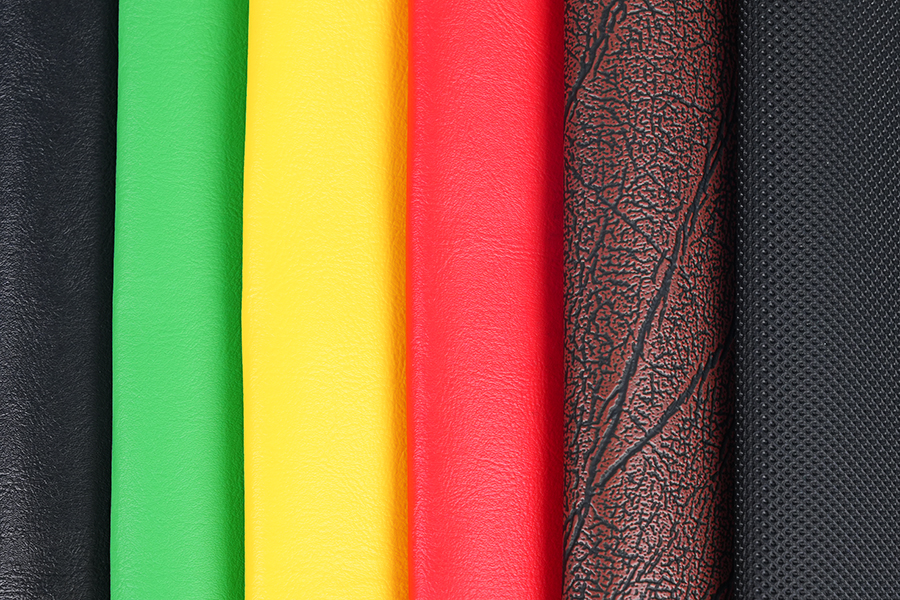
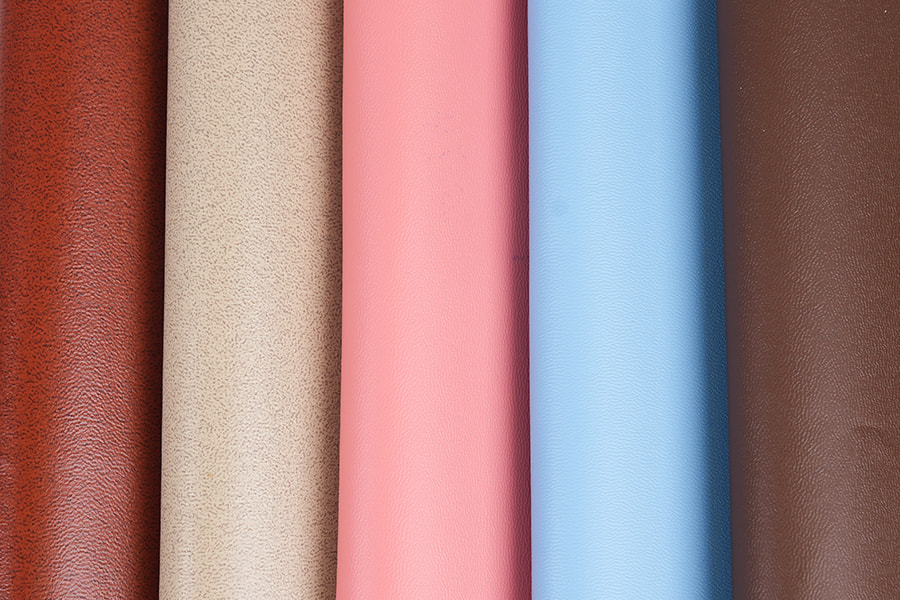
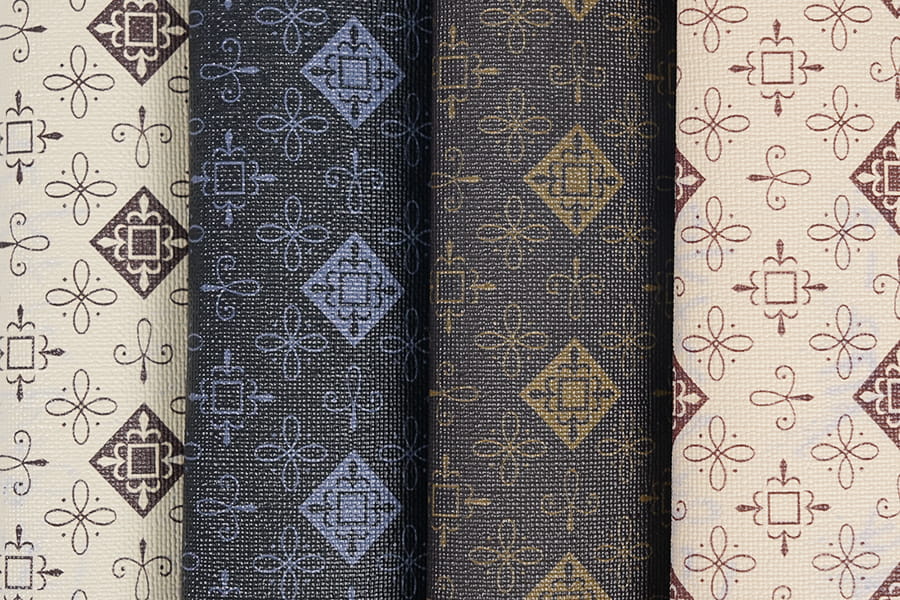
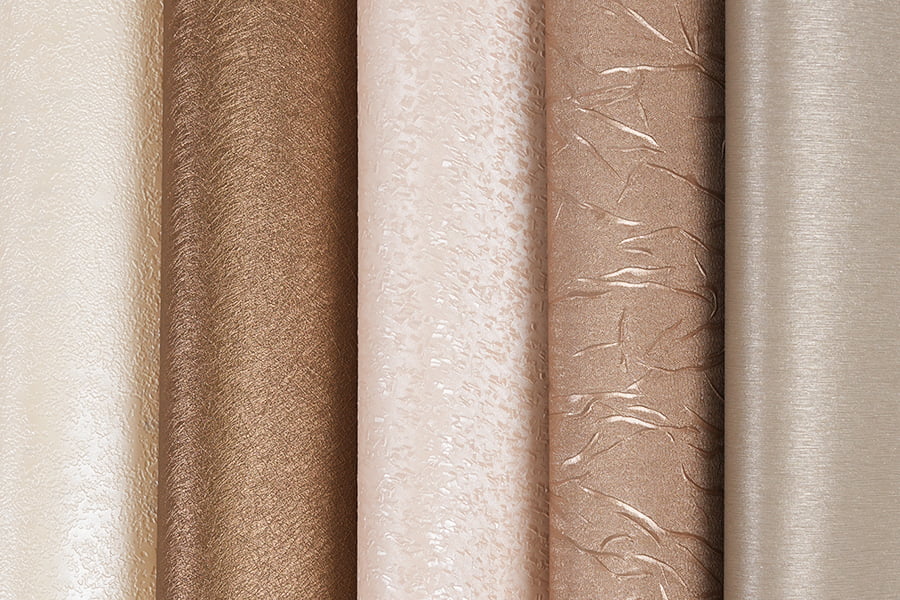
High-density embossed pvc fake leather with realistic full-grain texture. Ideal for premium furniture and automotive seat covers.
Phthalate-free fake leather pvc produced with bio-based plasticizers. Certified for child-safe and medical-grade applications.
Reinforced PVC synthetic leather with high-tenacity woven backing. Built for commercial seating, marine, and transportation.
Super-soft pvc fake leather with microfiber hand-feel. Optimized for footwear linings, gloves, and fashion accessories.
Although pu and pvc leather both fall under the artificial leather category, they differ significantly in material structure and performance behavior. PU leather (polyurethane synthetic leather) is produced by coating PU resin onto a base fabric, while fake leather pvc uses PVC resin. The following table compares typical parameters:
| Performance Parameter | PVC Synthetic Leather | PU Leather | Test Standard |
| Thickness Range (mm) | 0.6 – 3.5 | 0.5 – 2.0 | GB/T 6672 |
| Tensile Strength (N/3cm) | ≥ 200 | ≥ 150 | QB/T 2714 |
| Elongation at Break (%) | 30 – 80 | 80 – 200 | QB/T 2714 |
| Flex Endurance (cycles) | ≥ 50,000 | ≥ 100,000 | QB/T 2710 |
| Abrasion Resistance (revs) | ≥ 1,000 | ≥ 5,000 | GB/T 1768 |
| Cold Resistance (°C) | -10 to -20 | -25 to -40 | QB/T 2711 |
| Aging Resistance | Medium (3–5 years) | Excellent (5–8 years) | QB/T 2925 |
| Breathability | Limited | Superior (wet-process) | GB/T 5453 |
| Environmental Profile | Moderate (requires plasticizer testing) | Higher (solvent-free options) | REACH / RoHS |
| Price Range (USD/meter) | 1.10 – 4.80 | 3.50 – 11.00 | — |
The comparison reveals that PVC Synthetic Leather holds clear advantages in thickness range, tensile strength, and cost efficiency, making it ideal for industrial applications requiring high strength and low cost. PU leather excels in flex resistance, abrasion resistance, cold tolerance, and environmental compliance, making it more suitable for high-end footwear, automotive seating, and other comfort-critical applications.
pvc fake leather serves an exceptionally broad range of industries. The visual showcase below highlights the most common application categories:
Sofas, headboards, panels
Door panels, dashboards
Uppers, linings, insoles
Handbags, travel cases
Device covers, earphone cases
Wall panels, soundproof surfaces
Sofas, soft-panels, and headboards require large-area coverage where PVC synthetic leather becomes the mainstream choice thanks to its rich color range, cost efficiency, and easy-clean surface properties.
Door panels, instrument panels, and seat backs use aging-resistant and abrasion-resistant fake leather pvc that satisfies automotive OEM specifications, including low VOC emission and color-fastness under prolonged sun exposure.
Mid-range luggage and footwear products extensively use pvc fake leather, with embossing, printing, and foil-stamping finishes simulating genuine leather textures at a fraction of the cost.
Professional quality inspection of PVC synthetic leather should cover the following core indicators:
1. Physical Performance Testing: Thickness, weight per unit area, tensile strength, elongation at break, and tear strength. These parameters reflect the material's mechanical durability and service life.
2. Chemical Performance Testing: Focus areas include plasticizer content (phthalate esters), heavy metal content (lead, cadmium, mercury), formaldehyde emission, and VOC release. Compliance with EU REACH regulations and California Proposition 65 must be verified.
3. Weather Resistance Testing: QUV accelerated weathering, xenon-arc exposure, and damp-heat aging tests simulate long-term service conditions to predict material lifespan.
4. Color Fastness Testing: Rub fastness, light fastness, and perspiration fastness ensure pvc fake leather does not fade or bleed during use.
When sourcing PVC synthetic leather, always request third-party test reports from accredited laboratories (SGS, CTI, Intertek, or equivalent). The test items should cover the regulatory requirements of your target market to prevent downstream compliance issues.
To extend the service life of fake leather pvc products, observe the following usage and care guidelines:
In real-world projects, the choice between pu and pvc leather should be based on a comprehensive evaluation of product positioning, usage environment, cost budget, and performance requirements. The two-card matrix below summarizes the decision logic:
• Cost efficiency is the top priority for large-volume production
• Application requires medium flex and abrasion resistance
• Color and pattern variety is critical (200+ options available)
• End-product price positioning is mid-to-low range
• Typical uses: furniture, luggage, mid-range footwear, packaging
• Premium hand-feel and superior breathability are required
• Application demands high flex endurance (≥100,000 cycles)
• Strict environmental compliance is mandatory
• End-product targets high-end or export markets
• Typical uses: luxury footwear, automotive seats, premium apparel
The two materials are not substitutes in modern manufacturing — they are complementary. PVC Synthetic Leather has undergone decades of process iteration and technical refinement, achieving significant improvements in physical performance, visual realism, and environmental compliance. Selecting a supplier with a complete quality management system, eco-friendly raw materials, and advanced production technology is the decisive factor in ensuring end-product quality.
Our technical team can provide material samples, customized specifications, and application-specific guidance. Share your project requirements and receive a tailored material recommendation within 24 hours.
Browse complete specifications, request material samples, and discover the right solution for your next project — from fake leather pvc furniture coverings to high-performance industrial applications.
The Versatility of Sofa Artificial Leather in Different Home Decor Styles Sofa artificial leather has gained significant popularity as a material for home furniture, owing to its impressive versatilit...
View MoreIntroduction to Synthetic Leather What is Synthetic Leather? Definition and overview: Synthetic leather, also known as faux leather, vegan leather, or artificial leather, is a man-made material desig...
View MorePVC (Polyvinyl Chloride) and PU (Polyurethane) are two popular materials used in the production of automotive synthetic leather, each with its unique characteristics. Below are the key differences: Ma...
View MoreIntroduction of Synthetic Leather for Shoes What Is Synthetic Leather? Synthetic leather refers to any man-made material designed to imitate the appearance, texture, and qualities of genuine leather. ...
View MoreCopyright © Fu'an Synthetic Materials Co.,Ltd. Rights Reserved.
 Privacy
Custom PVC Synthetic/Artificial Leather Manufacturers
Privacy
Custom PVC Synthetic/Artificial Leather Manufacturers