language

Search

 中文简体
中文简体 English
 Español
 عربى
عربى Indonesia
Inquiry Now 
In the global industrial manufacturing and commercial procurement ecosystem, selecting highly compatible PVC synthetic leather manufacturers not only determines the quality ceiling of end products but also directly impacts the long-term stability of the supply chain. Facing increasingly strict physical test standards and diversified customization needs, deeply analyzing the production process, core material formulation, and technical parameters is the foundation for ensuring scientific procurement decisions.
Premium PVC artificial leather suppliers precisely adjust the bottom base fabric, PVC resin layer, and surface coating during the production process according to different application scenarios such as automotive interiors, outdoor furniture, medical devices, and luggage or footwear materials. Below is a comparison of key physical performance indicators to distinguish high-quality synthetic leather:
| Performance Test Item | Standard Grade PVC Parameter | Industrial/Engineering Grade PVC Parameter | Reference Testing Standard |
|---|---|---|---|
| Abrasion Resistance (Martindale) | >= 20,000 Rubs (Slight wear) | >= 100,000 Rubs (No obvious damage) | ISO 12947-2 |
| Peel Strength | >= 25 N / 3cm | >= 45 N / 3cm | ISO 2411 |
| Tear Strength | Vertical >= 20 N, Horizontal >= 15 N | Vertical >= 40 N, Horizontal >= 35 N | ISO 4674-1 |
| UV Resistance | Grade 3 - 4 (Regular exposure) | >= Grade 4.5 (600 hours intense UV) | ISO 105-B02 |
| Flame Retardancy | Basic self-extinguishing properties | Meets FMVSS 302 / BS5852 Source 5 | ISO 3795 |
| Cold Crack Resistance | -10 degrees C (20,000 cycles without cracks) | -30 degrees C to -40 degrees C (Continuous flexing without damage) | ISO 4675 |
As shown in the table data, engineering-grade materials demonstrate more rigorous parameter performance in abrasion lifespan, tear strength, and extreme environmental adaptability. Professional PVC synthetic leather manufacturers ensure that the product does not harden or become brittle during long-term use by adjusting the molecular weight distribution of plasticizers, such as low-volatility eco-friendly DOTP plasticizers.
The durability of synthetic leather depends not only on the raw materials but also on the precision of extrusion, coating, and lamination processes. Currently, the mainstream manufacturing processes in the market are mainly divided into the calendering method and the coating method (release paper method).
Calendering Process: PVC resin, plasticizers, and other stabilizers are mixed at high temperatures and then extended into a thin film through multi-roll calenders, which is then thermally laminated with a base fabric (knitted, woven, or non-woven fabric). This process produces products with high density and excellent thickness uniformity, making it suitable for large-scale material manufacturing with high mechanical strength requirements.
Release Paper Coating Process: PVC paste is coated onto release paper with a specific texture, foamed and cured in an oven, and then laminated with the base fabric before the release paper is peeled off. This process endows the product with richer surface textures, excellent tactile flexibility, and outstanding foaming ratio control, making it the preferred choice for premium touch-sensitive materials.
Experienced PVC artificial leather suppliers can accurately control the closed-cell rate of the foaming layer according to specific customer requirements for weight, thickness (typically between 0.6mm and 3.0mm), and elongation rate. A high closed-cell rate foaming layer provides good resilience and shock absorption performance while effectively preventing the penetration of moisture and chemical substances.
In practical applications, synthetic leather surfaces often need to withstand long-term erosion from chemical cleaners, oils, and sweat. To solve technical pain points such as surface stickiness, plasticizer migration, and poor scratch resistance, cutting-edge PVC synthetic leather manufacturers have introduced advanced secondary surface modification coating technologies (Top Finishes).
Anti-soiling: By roller-coating a special polyurethane (PU) or silicone micro-modified acrylate protective film on the surface, the surface free energy of the material is reduced. This prevents stains like ballpoint pen marks, oil, and ink from penetrating into the PVC interior, allowing them to be easily wiped clean with water or diluted alcohol.
Anti-scratch and Anti-blocking: Adjusting the ratio of surface smoothing agents significantly reduces the friction coefficient. While ensuring that the material possesses a matte or high-gloss visual texture, it prevents materials from sticking together when stacked at high temperatures, and significantly improves the resistance against nail scratches and hard object damage.
By strictly implementing incoming quality control (IQC) for raw materials, in-line thickness measurement during production, visual defect detection systems, and full-set physical property laboratory testing before factory delivery, source PVC artificial leather suppliers ensure that every roll of material delivered possesses a high degree of batch stability. This full-process quality control not only helps technical procurement personnel reduce the defect rate after materials enter the production line but also ensures that the end products maintain stable physical and mechanical performance in complex use environments.
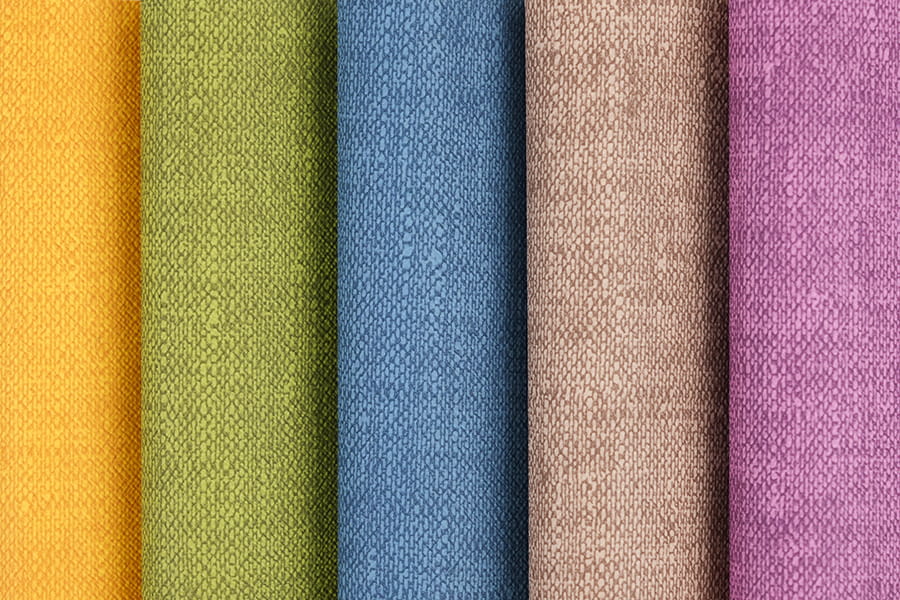
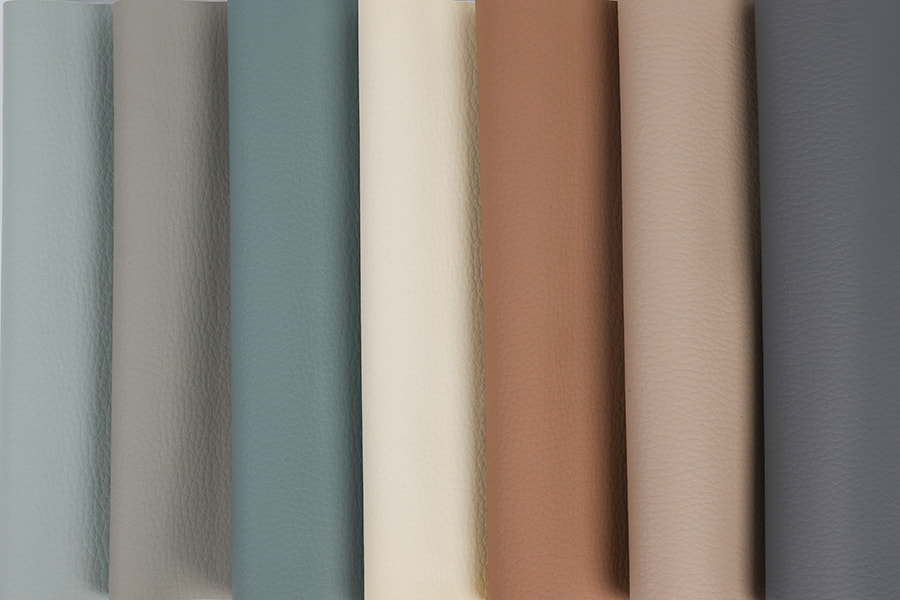
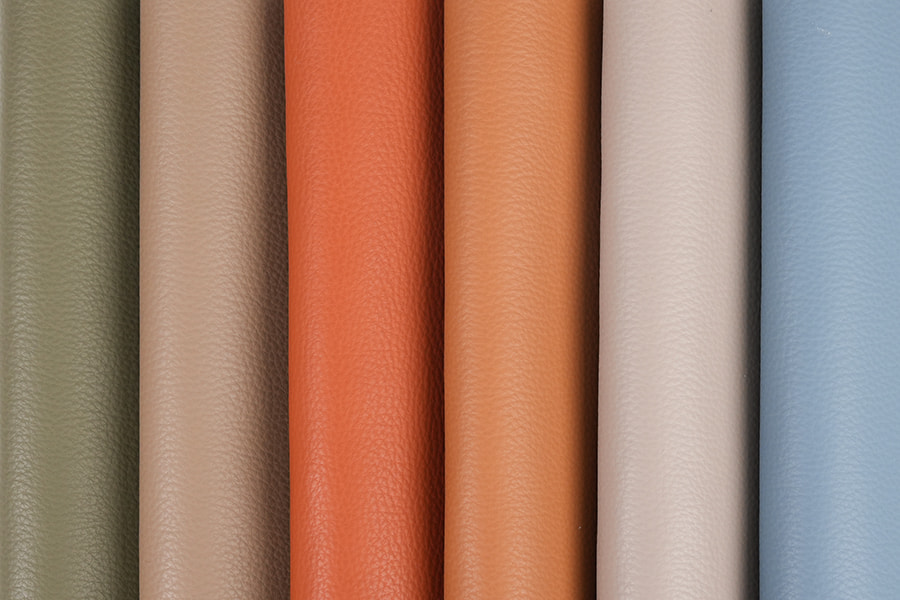
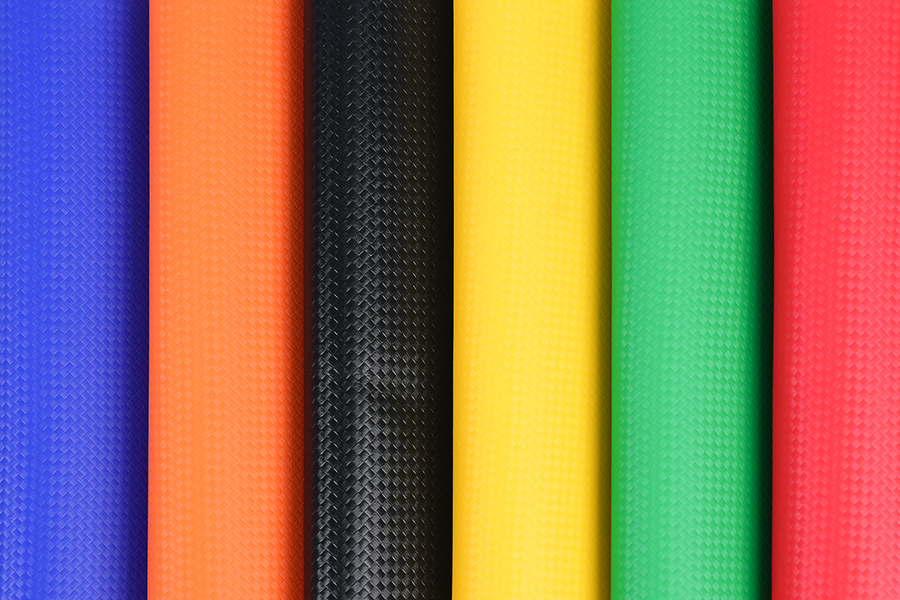
The Versatility of Sofa Artificial Leather in Different Home Decor Styles Sofa artificial leather has gained significant popularity as a material for home furniture, owing to its impressive versatilit...
View MoreIntroduction to Synthetic Leather What is Synthetic Leather? Definition and overview: Synthetic leather, also known as faux leather, vegan leather, or artificial leather, is a man-made material desig...
View MorePVC (Polyvinyl Chloride) and PU (Polyurethane) are two popular materials used in the production of automotive synthetic leather, each with its unique characteristics. Below are the key differences: Ma...
View MoreIntroduction of Synthetic Leather for Shoes What Is Synthetic Leather? Synthetic leather refers to any man-made material designed to imitate the appearance, texture, and qualities of genuine leather. ...
View MoreCopyright © Fu'an Synthetic Materials Co.,Ltd. Rights Reserved.
 Privacy
Custom PVC Synthetic/Artificial Leather Manufacturers
Privacy
Custom PVC Synthetic/Artificial Leather Manufacturers