language

Search

 中文简体
中文简体 English
 Español
 عربى
عربى Indonesia
Inquiry Now 
PVC synthetic leather has gained widespread popularity in the bag manufacturing industry due to its superior performance, cost-effectiveness, and versatility in design. As consumer demand for fashion, durability, and eco-friendliness grows, PVC synthetic leather has become a key material in bag production. This article will explore the major advantages of PVC synthetic leather in bag making, helping both consumers and manufacturers understand its benefits.
PVC synthetic leather is highly durable, making it an ideal choice for bag production. Compared to natural leather, PVC synthetic leather is less prone to abrasion, scratches, and water damage, allowing it to withstand daily wear and tear. The surface of PVC synthetic leather has excellent resistance to stains, and it does not easily show marks or blemishes, even in harsh environments.
PVC synthetic leather has strong resistance to UV rays, which helps prevent fading when exposed to sunlight. Unlike natural leather, PVC synthetic leather is less likely to crack or dry out, providing better weather resistance. This makes it suitable for use in diverse climates and conditions.
PVC synthetic leather is known for its water-resistant properties, which provide a significant advantage in bag manufacturing. Unlike natural leather, PVC synthetic leather does not absorb water easily. Even when exposed to rain, it stays dry and does not absorb moisture, which helps keep the bag looking pristine. Additionally, it is easy to clean and maintain, as it resists water stains and oil marks.
Due to its smooth surface and stain-resistant nature, PVC synthetic leather bags are easy to clean. A simple wipe with a damp cloth can remove dirt or stains, making it much more convenient to maintain compared to natural leather, which requires special care and conditioning. This low-maintenance feature makes PVC synthetic leather a practical choice for everyday use.
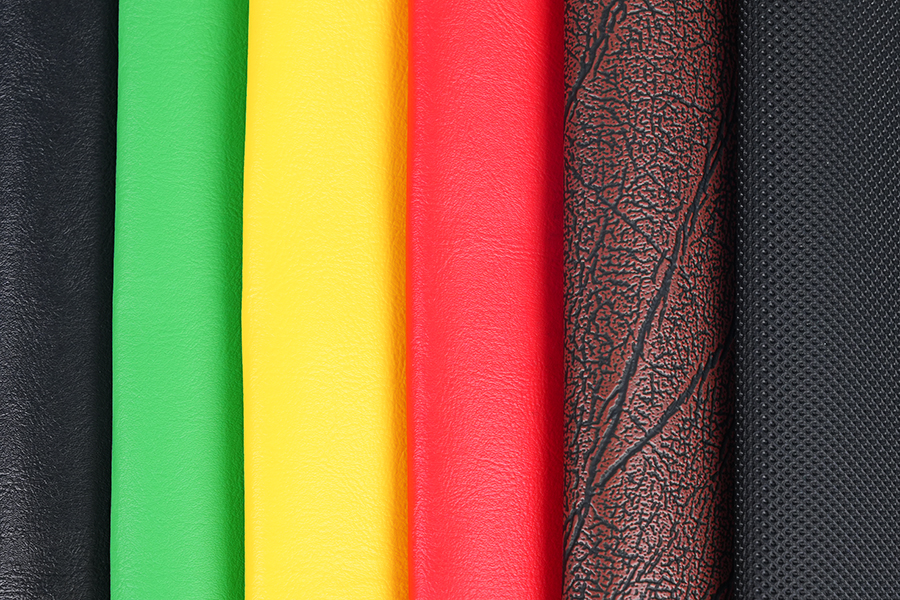
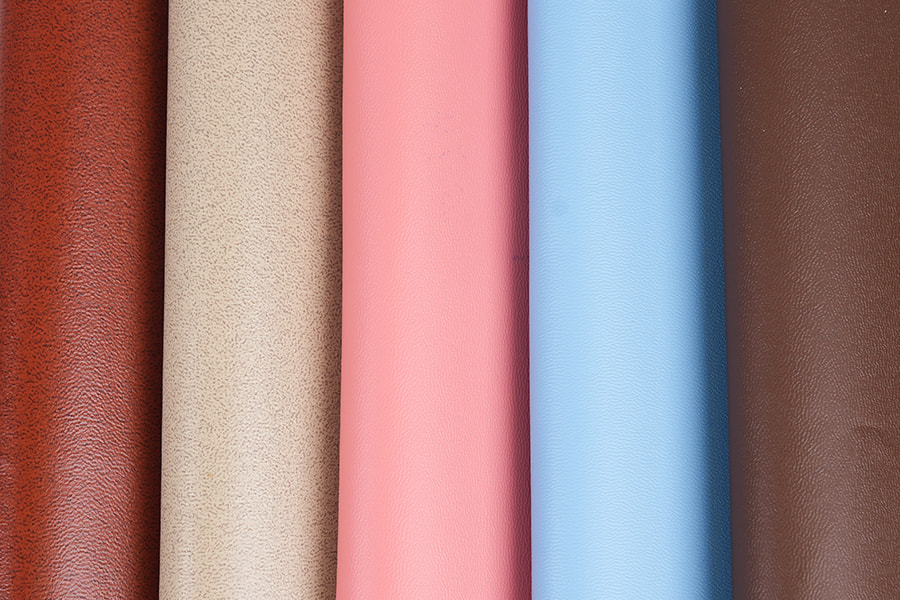
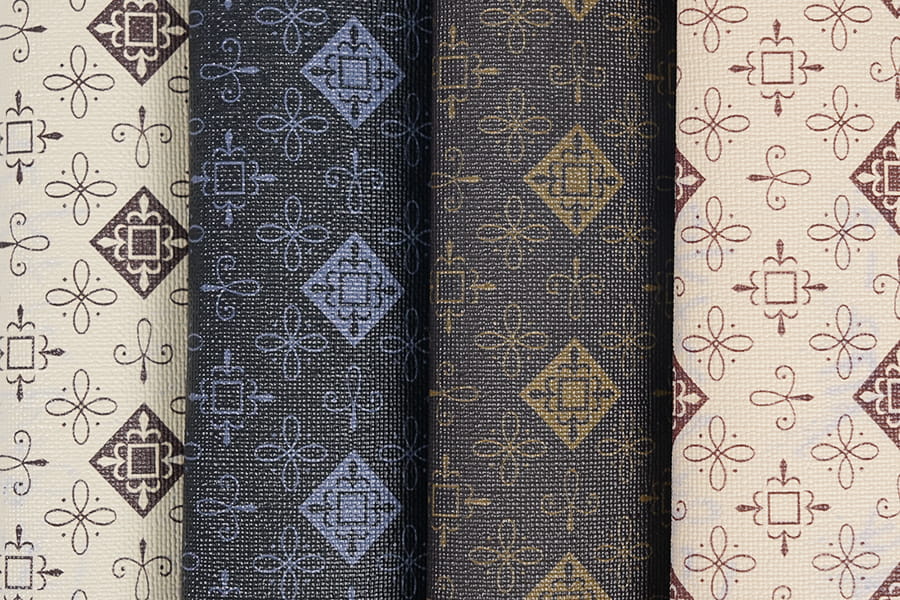
One of the most notable advantages of PVC synthetic leather is its flexibility and variety in design. Unlike natural leather, PVC synthetic leather can be produced in a wide range of colors, patterns, and textures. Manufacturers can easily customize the material to meet consumer demands for unique and personalized designs.
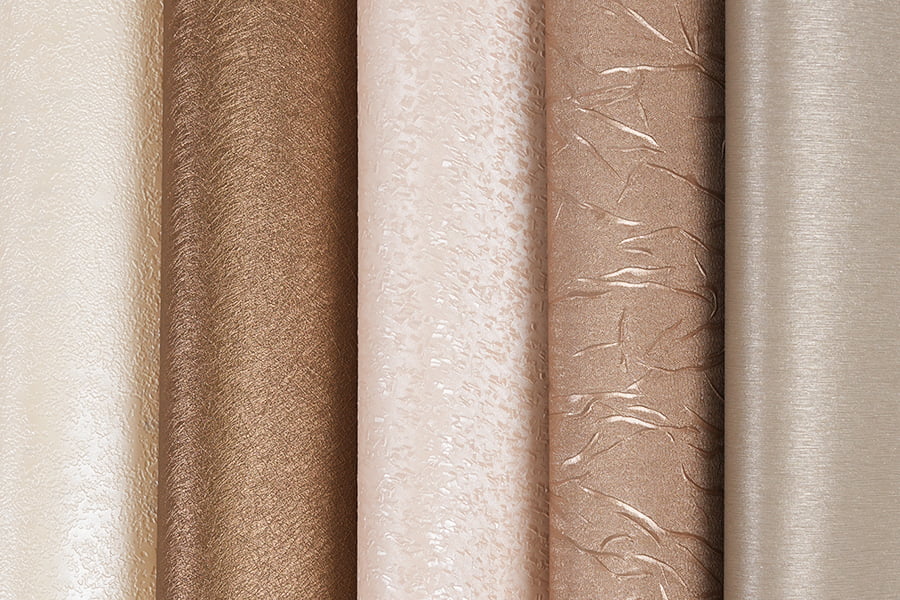
PVC synthetic leather can be produced in vibrant colors and complex patterns, even mimicking the look of exotic leather. Techniques such as heat pressing, printing, and embossing enable manufacturers to create a wide variety of textures, including simulated snake or crocodile skin, offering endless design possibilities that appeal to fashion-conscious consumers.
PVC synthetic leather can be treated to create different textures, such as smooth, grainy, or matte finishes, giving manufacturers the ability to produce bags with diverse tactile qualities. These variations make PVC synthetic leather a highly adaptable material that can cater to various fashion styles and trends.
PVC synthetic leather offers a significant cost advantage over natural leather. The production costs of PVC synthetic leather are lower, as it does not require the same complex processes like tanning or animal slaughter. The material is widely available and can be produced at scale, reducing manufacturing costs for bag producers.
The raw materials used in PVC synthetic leather are inexpensive, and the production process is more efficient compared to natural leather. This helps reduce the overall cost of producing a bag. For manufacturers focused on large-scale production, using PVC synthetic leather can significantly lower production costs while maintaining high-quality standards.
PVC synthetic leather is easy to mass-produce, making it ideal for manufacturers who need to meet high demand in a short period. The standardization of the production process allows for faster turnaround times, helping brands quickly respond to trends and consumer preferences.
As environmental concerns rise, consumers are increasingly demanding sustainable products. PVC synthetic leather is more eco-friendly compared to traditional leather, as its production process does not involve harmful chemicals like tanning agents. Additionally, PVC synthetic leather can be recycled, contributing to a more sustainable lifecycle for fashion accessories.
While PVC synthetic leather production still involves certain chemical processes, it generally has a lower environmental impact compared to traditional leather, which requires the use of chemicals and extensive processing. Many manufacturers are also turning to eco-friendly PVC synthetic leather options, which reduce harmful emissions and pollutants.
PVC synthetic leather is recyclable, which means it can be repurposed once it reaches the end of its life cycle. The ability to recycle PVC leather into new products helps reduce waste and supports a circular economy. This eco-friendly attribute makes PVC synthetic leather a more sustainable choice for conscious consumers.
PVC synthetic leather’s versatility makes it suitable for a wide range of consumers and market segments. Whether it's high-end luxury brands or affordable, mass-market products, PVC synthetic leather can meet the needs of different price points and customer preferences. This wide appeal makes it a popular choice in the fashion bag industry.
Thanks to its affordability, durability, and design flexibility, PVC synthetic leather is accessible to a broad spectrum of consumers. From students to professionals and fashion enthusiasts, bags made from PVC synthetic leather are an attractive option for many, offering a stylish and practical solution at a more affordable price point.
The Versatility of Sofa Artificial Leather in Different Home Decor Styles Sofa artificial leather has gained significant popularity as a material for home furniture, owing to its impressive versatilit...
View MoreIntroduction to Synthetic Leather What is Synthetic Leather? Definition and overview: Synthetic leather, also known as faux leather, vegan leather, or artificial leather, is a man-made material desig...
View MorePVC (Polyvinyl Chloride) and PU (Polyurethane) are two popular materials used in the production of automotive synthetic leather, each with its unique characteristics. Below are the key differences: Ma...
View MoreIntroduction of Synthetic Leather for Shoes What Is Synthetic Leather? Synthetic leather refers to any man-made material designed to imitate the appearance, texture, and qualities of genuine leather. ...
View MoreCopyright © Fu'an Synthetic Materials Co.,Ltd. Rights Reserved.
 Privacy
Custom PVC Synthetic/Artificial Leather Manufacturers
Privacy
Custom PVC Synthetic/Artificial Leather Manufacturers