language

Search

 中文简体
中文简体 English
 Español
 عربى
عربى Indonesia
Inquiry Now 
PVC synthetic leather, known for its durability, water resistance, and lower production cost, is widely used in a variety of applications such as bags, shoes, and home decor products. To enhance the appearance, texture, durability, and added functionality, several surface treatment processes are employed during its production. This article will explore the common surface treatment techniques used in PVC synthetic leather production, detailing their benefits and potential drawbacks.
The heat pressing process is a common surface treatment technique in PVC synthetic leather production. It involves heating PVC films and substrates to a specific temperature and then pressing them with a mold to create the desired texture. This method effectively enhances the leather's softness, gloss, and clear surface patterns. Heat pressing is often used to produce realistic effects, such as simulated cowhide or snake patterns, making the synthetic leather appear visually and tactilely closer to genuine leather.
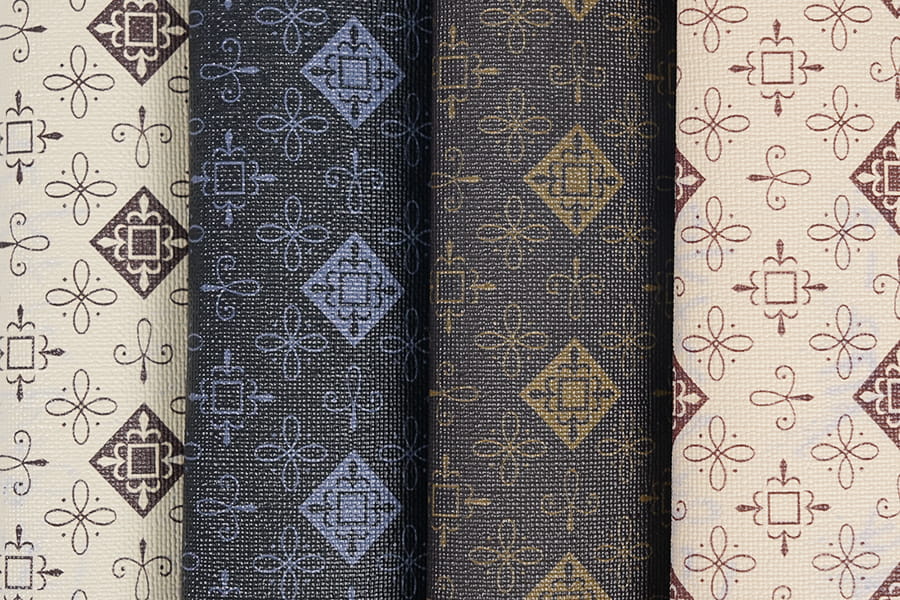
The printing process plays a significant role in the surface treatment of PVC synthetic leather, especially for complex designs and patterns. Methods like screen printing, heat transfer printing, and inkjet printing are used to apply various patterns onto the leather surface. Printing is commonly used for fashion bags, clothing, and home decor items.
The coating process involves applying a protective or decorative layer on the surface of PVC synthetic leather to enhance its durability, resistance to dirt, and overall aesthetic appeal. Common coating materials include polyurethane (PU), fluorocarbons, and silicone resins. Coating not only enhances UV resistance but also improves water resistance, oil repellency, and scratch resistance.
The embossing process involves using pressure to press various patterns or textures into the surface of PVC synthetic leather. Common embossing effects include leather-like textures, grid patterns, and stripes. This process not only enhances the visual appeal of synthetic leather but also improves its tactile feel, making it closer to natural leather.
The laser engraving process uses laser technology to carve detailed patterns or text onto the surface of PVC synthetic leather. Laser engraving allows for extremely precise, intricate designs that are durable and resistant to fading. This process is often used in high-end bags, shoes, and customized leather products.
The sanding process involves mechanical or chemical methods to roughen the surface of PVC synthetic leather, creating a textured feel. This process is typically used for high-end bags, wallets, and other products to enhance their tactile quality and appearance.
UV curing coating is a surface treatment technique that uses ultraviolet (UV) light to accelerate the curing of the coating layer on PVC synthetic leather. This process results in a hard protective layer that significantly enhances the leather's scratch resistance, durability, and water repellency.
The Versatility of Sofa Artificial Leather in Different Home Decor Styles Sofa artificial leather has gained significant popularity as a material for home furniture, owing to its impressive versatilit...
View MoreIntroduction to Synthetic Leather What is Synthetic Leather? Definition and overview: Synthetic leather, also known as faux leather, vegan leather, or artificial leather, is a man-made material desig...
View MorePVC (Polyvinyl Chloride) and PU (Polyurethane) are two popular materials used in the production of automotive synthetic leather, each with its unique characteristics. Below are the key differences: Ma...
View MoreIntroduction of Synthetic Leather for Shoes What Is Synthetic Leather? Synthetic leather refers to any man-made material designed to imitate the appearance, texture, and qualities of genuine leather. ...
View MoreCopyright © Fu'an Synthetic Materials Co.,Ltd. Rights Reserved.
 Privacy
Custom PVC Synthetic/Artificial Leather Manufacturers
Privacy
Custom PVC Synthetic/Artificial Leather Manufacturers