language

Search

 中文简体
中文简体 English
 Español
 عربى
عربى Indonesia
Inquiry Now 
A sourcing manager comparing Chinese material suppliers usually starts with a single question: which factory can deliver consistent PVC synthetic leather at the volume my production line needs? That question deserves more attention than the unit price, because the wrong supplier can delay shipments, produce visible color variation between batches, or simply stop answering after the first order. China is the world's largest producer and exporter of synthetic leather, so buyers have no shortage of options, but more options make the evaluation process more important, not less.
PVC synthetic leather is produced by coating a fabric base with PVC resin and plasticizers, then applying a finish layer that determines the color, grain, and surface performance. It costs less than genuine leather, resists abrasion, withstands repeated cleaning, and can be engineered for specific requirements. Those properties explain why the material is specified in automotive interiors, upholstered furniture, luggage, footwear, fitness equipment, and interior decoration, which are also the six application areas covered by FU'AN's product catalog.
The geography of the industry also works in the buyer's favor. Production is concentrated in Jiangsu, Zhejiang, Fujian, and Guangdong, where mature supply chains, specialized suppliers, and experienced labor keep lead times short and process quality consistent. For an overseas buyer, the practical implication is straightforward: the question is not whether to source PVC synthetic leather from China, but how to identify the factory that can actually back up its promises with capacity, expertise, and financial stability.
A reliable PVC synthetic leather factory is not the one with the lowest quote. It is the one whose production capacity, research capability, financial position, and product range can support your order today and your repeat orders next year. The four dimensions below separate a real manufacturer from a middleman.
Annual capacity, expressed in square meters, is the first filter. A factory with genuine production capacity can quote realistic lead times, hold consistent color and texture across batches, and absorb fluctuations in your order volume. Request the annual output figure before asking for price, and compare it against your projected volume.
FU'AN, a China PVC synthetic leather factory in Jiangsu, operates with an annual production capacity of 20 million square meters. The company maintains a complete workshop system with separate production, technical, and sales departments. That organizational structure is the typical signature of a factory running standardized quality control, as opposed to a small workshop managing everything informally.
Capacity alone does not tell you whether the factory can develop a custom color, replicate a specific grain, or adjust a performance property such as abrasion resistance or flame retardancy. R&D headcount and product variety are practical signals. FU'AN employs 137 people, including a 46-person R&D team with 19 core researchers, and its catalog spans more than 100 products.
The company positions its core ecological synthetic leather and environmentally friendly decorative leather as Jiangsu provincial high-tech products. If environmental attributes matter for your market, ask for the corresponding test reports during the inquiry stage rather than relying on marketing descriptions.
Financial health is the dimension most supplier guides ignore, yet it strongly predicts supply continuity. A low debt ratio and steady revenue mean the factory can finance raw materials, maintain equipment, and weather demand cycles without interrupting production. In 2023, FU'AN reported revenue of RMB 123.586 million and an asset-liability ratio of 14.6%. Both figures point to an operation backed by real assets rather than a trading desk.
A factory's website is a useful preview in the same way. Established manufacturers usually publish their history, headcount, capacity, and product organization; a reseller tends to have a thin catalog and no operational detail. If a supplier claims large capacity but shows no track record, treat the claim as unverified until the factory answers specific questions.
The fastest way to judge a factory's fit is to match its product line against your application. Established Chinese manufacturers organize production by downstream use, so the catalog itself reveals which industries the factory serves and where its quality priorities lie.
Automotive interiors demand high abrasion resistance because seat surfaces, door panels, and dashboard covers face constant friction, temperature changes, and cleaning chemicals. Buyers typically specify a product such as high-wear-resistant PVC car interior leather designed for repeated contact and easy maintenance. Ask the factory for abrasion and color-fastness data before approving the material for production.
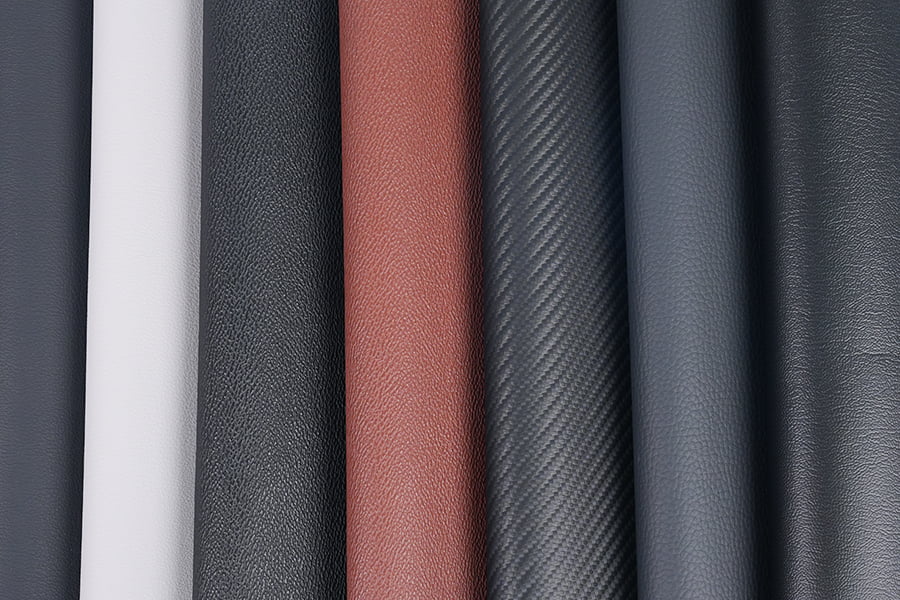 Wholesale High Wear-Resistant PVC Car Interior Leather Suppliers, Factory - DongDongtai Fuan Synthetic Materials Co., Ltd is China wholesale High Wear-Resistant PVC Car Interior Leather suppliers and factory,High wear...View Product →
Sofa material is judged on different criteria: peel resistance, flexibility, and comfort over years of daily use. The most common failure of low-cost PVC sofa covers is surface delamination, where the top finish separates from the base fabric. An anti-peeling durable synthetic leather for sofa upholstery addresses exactly that failure mode while keeping the soft hand feel furniture makers expect.
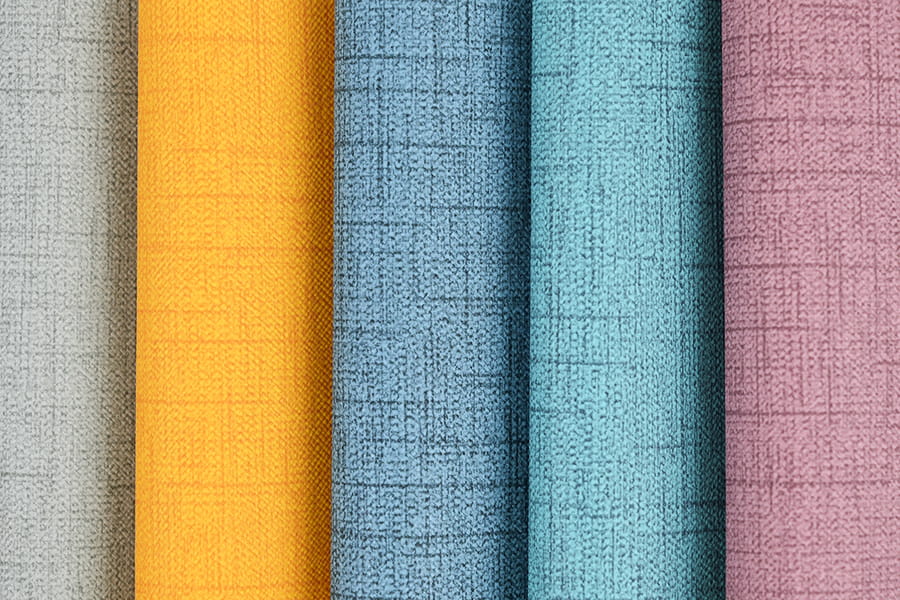 Wholesale Anti-Peeling Durable Synthetic Leather For Sofa Suppliers, Factory - DDongtai Fuan Synthetic Materials Co., Ltd is China wholesale Anti-Peeling Durable Synthetic Leather For Sofa suppliers and factory,Anti-P...View Product →
Bag and luggage brands look for lightweight material, scratch resistance, and a grain that holds its shape through repeated handling. PVC blends for this segment often carry printed or embossed textures, including reptile patterns for fashion accessories. A single factory can usually supply both plain and patterned versions, which helps a buyer build a full collection from one source.
Shoe uppers require breathability, anti-crease performance, and water resistance for mass-produced casual and work footwear. Fitness equipment upholstery faces a different environment: sweat, aggressive cleaning, and flame-retardant requirements on exercise machines and gym benches. A sweatproof fire-retardant faux leather for fitness equipment is a typical example of PVC leather adapted to a demanding vertical. If you manufacture footwear, confirm that the factory offers dedicated shoe-upper grades instead of recommending a general-purpose material.
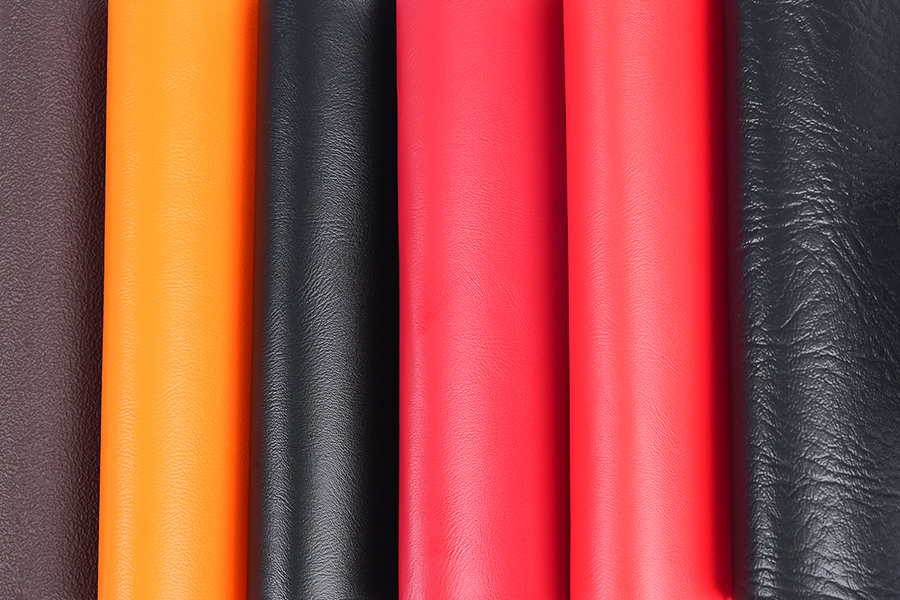 Wholesale Sweat-Proof Fire-Retardant Faux Leather for Fitness Equipment SupplierDongtai Fuan Synthetic Materials Co., Ltd is China wholesale Sweat-Proof Fire-Retardant Faux Leather for Fitness Equipment suppliers and ...View Product →
Interior decoration leather sits at the environmental end of the range. Low odor and reduced emissions matter when the material is installed in bedrooms, offices, or hospitality spaces. FU'AN's environmental decorative leather line targets that requirement, combining a natural leather look with a stronger environmental profile. Buyers with eco-sensitive projects should request emission data together with physical samples.
Dongtai Fuan Synthetic Materials Co., Ltd. (东台市富安合成材料有限公司), marketed under the FU'AN brand, is a concrete example of a China PVC synthetic leather factory that meets the criteria discussed above. Founded in 2007, the company has built a vertically organized operation with 137 employees and an annual production capacity of 20 million square meters of PVC and ecological synthetic leather.
| Metric | Detail |
|---|---|
| Founded | 2007 |
| Registered capital | RMB 28 million |
| Employees | 137 |
| R&D team | 46, including 19 core researchers |
| Annual production capacity | 20 million square meters |
| Product variants | More than 100 |
| 2023 revenue | RMB 123.586 million |
| Asset-liability ratio | 14.6% |
| Website languages | Chinese, English, Spanish, Arabic, Indonesian |
FU'AN organizes its product portfolio into six application areas: automotive interiors, sofa upholstery, bags and luggage, shoe uppers, fitness equipment, and interior decoration. Each area has dedicated product lines and performance priorities, which is typical of a real manufacturer rather than a trading firm. The company's website is available in Chinese, English, Spanish, Arabic, and Indonesian, a practical signal for international buyers who want to verify specifications in their own language.
The financial picture reinforces the same story. Registered capital of RMB 28 million, stable revenue, and an asset-liability ratio below 15% describe a supplier that can support multi-year contracts. For a buyer planning a long-term partnership, that financial footing is worth more than a marginally lower per-meter price from an unverified source.
Before you commit to a factory, send a structured set of questions. A genuine manufacturer answers these without hesitation; a reseller tends to deflect or promise more than it can deliver.
These questions do more than confirm capability; they reveal how the factory communicates. Note how quickly the reply arrives, whether the numbers are specific, and whether the salesperson understands your application. The answers will usually tell you whether you are dealing with the manufacturer or with a middleman.
FU'AN's website includes an inquiry channel on every product page, so you can send these questions directly. A specific inquiry that includes material width, thickness, color reference, and estimated volume produces a faster and more useful response than a generic "please quote" message.
No single metric determines whether a China PVC synthetic leather factory is right for your supply chain. Capacity tells you whether the factory can scale with your order volume. R&D strength tells you whether it can develop the color, grain, and performance properties your product requires. Financial stability tells you whether it will still be producing next year. Product range tells you whether your application is actually covered.
Start by reviewing the product line that matches your use case, whether it is automotive, sofa, luggage, footwear, fitness, or interior decoration. Compare the product descriptions against your own specification, then submit a structured inquiry with the questions listed above. A factory that responds with concrete details is worth adding to your shortlist.
FU'AN is a reasonable starting point because its capacity, R&D team, and product coverage align with the evaluation framework in this guide. Browse the product catalog, check the descriptions against your requirements, and ask for a sample. That is the fastest way to move from a list of candidate factories to an approved supplier.
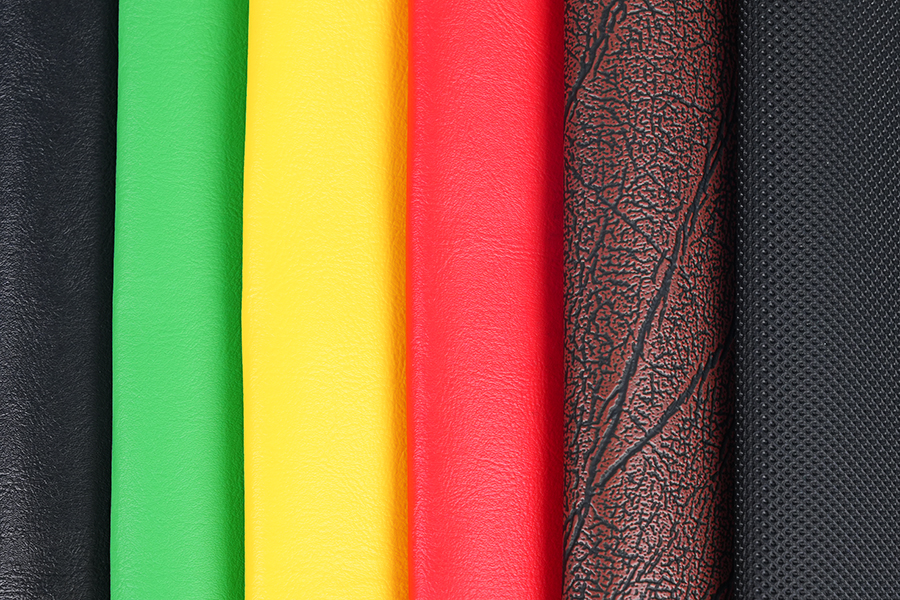
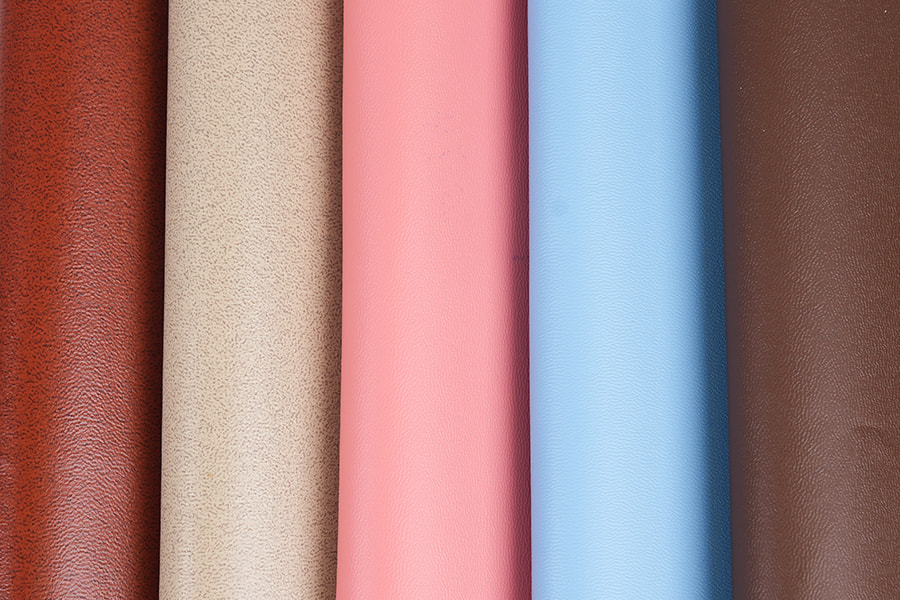
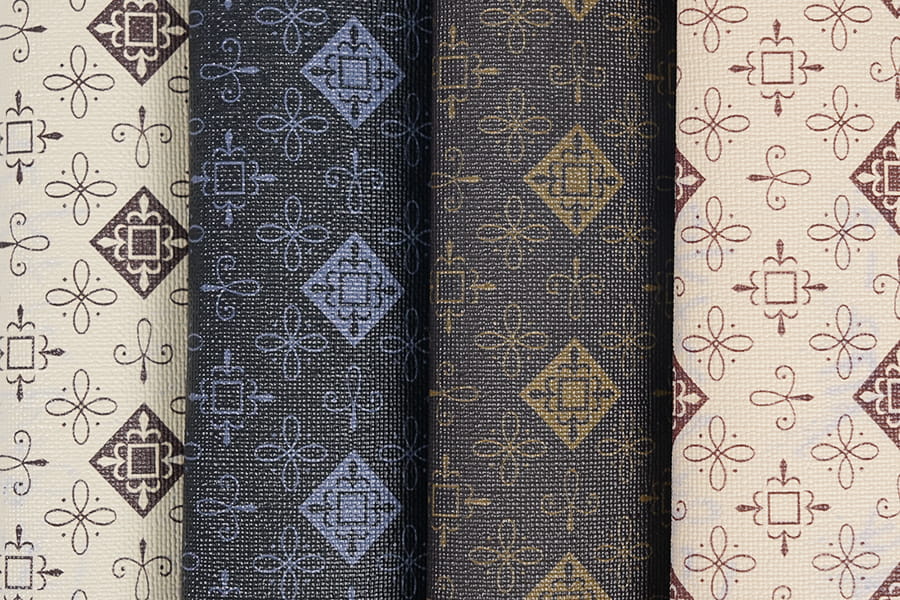
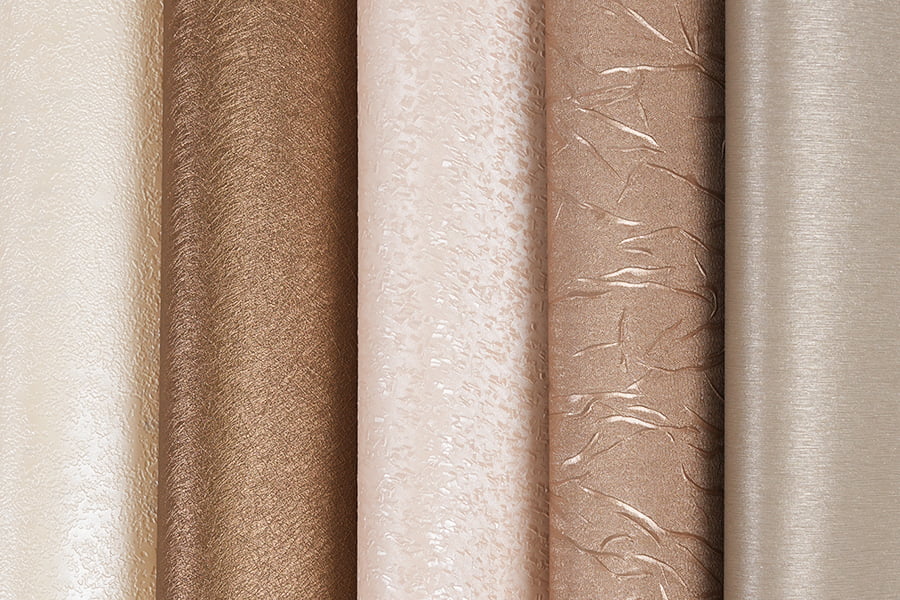
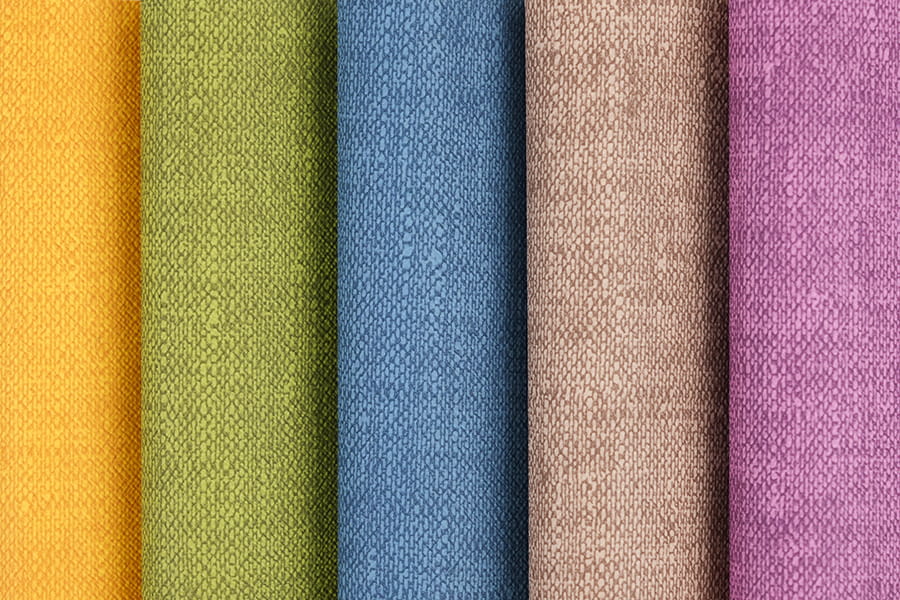
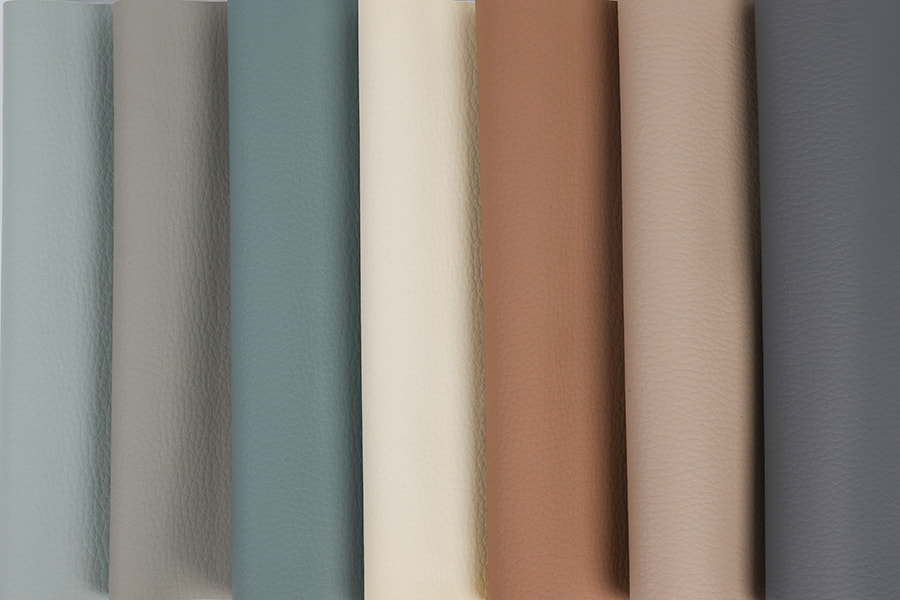
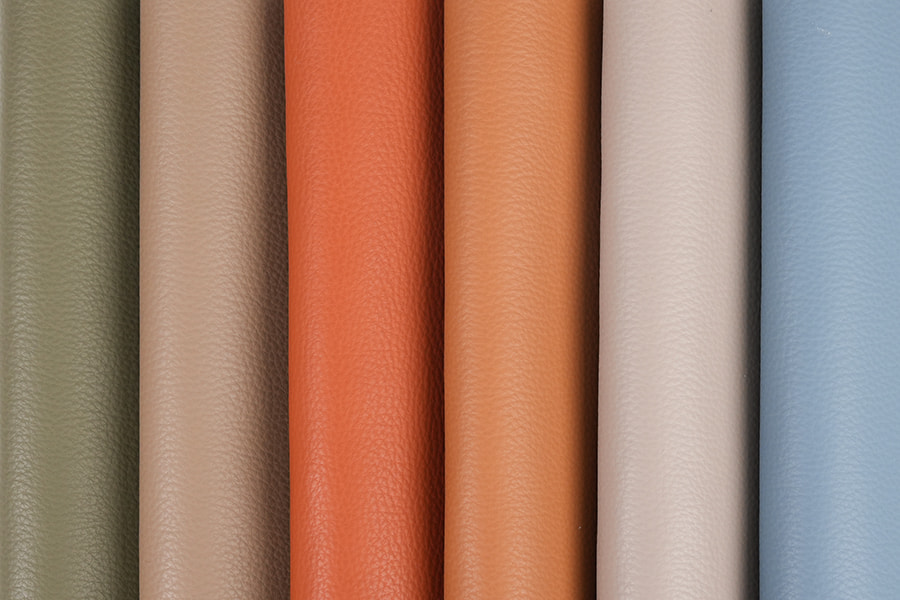
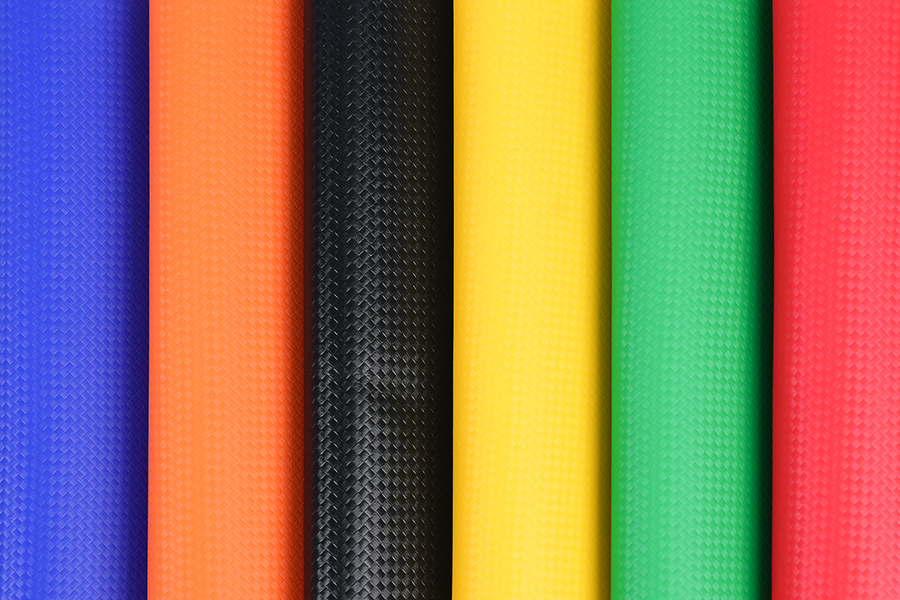
The Versatility of Sofa Artificial Leather in Different Home Decor Styles Sofa artificial leather has gained significant popularity as a material for home furniture, owing to its impressive versatilit...
View MoreIntroduction to Synthetic Leather What is Synthetic Leather? Definition and overview: Synthetic leather, also known as faux leather, vegan leather, or artificial leather, is a man-made material desig...
View MorePVC (Polyvinyl Chloride) and PU (Polyurethane) are two popular materials used in the production of automotive synthetic leather, each with its unique characteristics. Below are the key differences: Ma...
View MoreIntroduction of Synthetic Leather for Shoes What Is Synthetic Leather? Synthetic leather refers to any man-made material designed to imitate the appearance, texture, and qualities of genuine leather. ...
View MoreCopyright © Fu'an Synthetic Materials Co.,Ltd. Rights Reserved.
 Privacy
Custom PVC Synthetic/Artificial Leather Manufacturers
Privacy
Custom PVC Synthetic/Artificial Leather Manufacturers