language

Search

 中文简体
中文简体 English
 Español
 عربى
عربى Indonesia
Inquiry Now 
In the furniture manufacturing industry, PVC Synthetic Leather for Sofa (Polyvinyl Chloride synthetic leather) is a high-molecular material that simulates the texture of natural leather through chemical processes. It is not only a substitute for genuine leather but has also become a core material in modern sofa production due to its exceptional physical properties.
PVC synthetic leather is typically composed of multiple composite layers, ensuring its strength as a sofa upholstery material:
To provide a clearer understanding of the physical advantages of this material, the following table compares PVC Synthetic Leather for Sofa with standard Faux Leather (such as standard PU leather) across key technical indicators:
| Performance Indicator | PVC Synthetic Leather for Sofa | Standard Faux Leather (PU) |
| Abrasion Resistance (Martindale) | 50,000 - 100,000+ cycles | Approximately 20,000 - 40,000 cycles |
| Coating Thickness | 1.0mm - 2.0mm (Common specs) | 0.6mm - 1.2mm |
| Chemical Resistance | Excellent (Resists acids, alkalis, and cleaners) | Average (Susceptible to alcohol solvents) |
| Flame Retardancy | Easily treated with flame retardants (e.g., BS5852) | Difficult to modify for high flame retardancy |
| Waterproof Performance | 100% Fully Waterproof | Hydrophobic, but prone to hydrolysis if soaked |
| Service Life | 8 - 10 years (Under high-intensity use) | 3 - 5 years (Prone to peeling/hydrolysis) |
The hardness of PVC Synthetic Leather for Sofa is slightly higher than other synthetic materials, which provides excellent morphological stability when wrapping sofa frames. Unlike ordinary fabrics or low-quality faux leather, it does not develop severe wrinkles or sagging after long-term use. Furthermore, by adjusting the ratio of plasticizers, PVC can achieve a surprisingly skin-friendly touch while maintaining its powerful stain-shielding functions.
When choosing sofa upholstery, many people confuse PVC Synthetic Leather for Sofa with PU (Polyurethane) leather. Although both belong to the Faux Leather category, there are fundamental differences in physical structure, tactile experience, and durability.
To choose PVC Synthetic Leather for Sofa scientifically, we can quantify the comparison through the following key performance parameters:
| Performance Feature | PVC Synthetic Leather for Sofa | PU (Polyurethane) Leather | Traditional Faux Leather (Low-end) |
| Peeling Strength | More than or equal to 40 N/3cm | More than or equal to 30 N/3cm | Less than or equal to 20 N/3cm |
| Tear Strength | Very high; does not easily break under uneven stress | Medium; punctures tend to expand | Low |
| Hydrolysis Resistance | Non-hydrolytic (Ideal for humid environments) | May peel after 3-5 years | Prone to peeling within 1-2 years |
| Abrasion Cycles | 80,000 - 150,000 cycles | 30,000 - 50,000 cycles | Below 10,000 cycles |
| Weatherability (UV) | Very strong; resists fading or brittleness | Average; can become sticky under direct sun | Poor |
| Daily Maintenance | Minimal (Water or neutral soap) | Must avoid alcohol-based cleaners | Easily penetrated by oil stains |
A. Durability and Physical Defense
The greatest advantage of PVC Synthetic Leather for Sofa is its "hardcore" surface protection layer. In a home environment, sofas often face key scratches, children's drawings, or pet claws. The surface hardness of PVC leather is much higher than PU, effectively resisting daily punctures and scratches. This makes it the first choice for high-frequency commercial spaces such as waiting rooms and restaurant booths.
B. Moisture and Corrosion Resistance
Since PVC is a completely non-porous material, it acts as a natural barrier to liquids. For families living in humid southern regions or coastal cities, PVC Synthetic Leather for Sofa demonstrates extreme resistance to mold and mildew. In contrast, PU leather, due to its microporous structure, can absorb moisture from the air in extremely humid environments, leading to internal hydrolysis and eventual "flaking."
C. The Trade-off Between Touch and Comfort
It is undeniable that PU leather is favored in high-end residences because its softness is closer to genuine leather. However, modern processed PVC Synthetic Leather for Sofa has greatly improved its hand-feel through special plasticizers. While it may have slightly lower breathability (possibly causing heat accumulation during long periods of sitting), the support and non-collapsing visual effect it provides keep the sofa looking like "new furniture" for many years.
Beyond performance comparisons, it is important to explore the core value of PVC Synthetic Leather for Sofa in actual furniture manufacturing and long-term household use. It is not just about superior performance; it also excels in structural maintenance and low maintenance costs.
As large furniture items, sofa upholstery must withstand significant tension. PVC Synthetic Leather for Sofa has an excellent tensile elastic modulus, meaning it can quickly return to its original shape after long-term weight bearing.
PVC Synthetic Leather for Sofa can deeply lock in pigments during the manufacturing process, resulting in much higher color saturation than other synthetic materials.
| Performance Indicator | Standard Value for PVC Synthetic Leather | Evaluation |
| Color Fastness (Rubbing) | Grade 4 - 5 (ISO 105-X12) | Excellent; dark leather won't stain clothes |
| Yellowing Resistance | Grade 4 (After 96-hour UV test) | Suitable for sun-drenched living rooms |
| Gloss Retention | Decay rate less than 5% after long-term use | Maintains the original texture upon purchase |
For modern homes or commercial spaces, maintenance cost is a vital metric for material quality. The non-permeable layer of PVC Synthetic Leather for Sofa provides a natural "stain barrier."
Because of its stable chemical properties, PVC Synthetic Leather for Sofa often includes special anti-mold and antibacterial agents. In closed or poorly ventilated indoor environments, it effectively inhibits the growth of bacteria like E. coli and Staphylococcus aureus, which is particularly important for families with children or those with allergies.
Regarding the concerns of consumers and manufacturers when choosing PVC Synthetic Leather for Sofa, here are professional answers:
Answer: This depends on the cold resistance grade of the material. High-quality PVC Synthetic Leather for Sofa is produced with cold-resistant plasticizers. Standard-grade PVC remains flexible at -10 degrees Celsius, while custom grades can withstand -25 degrees Celsius. As long as it is not placed directly against heat sources like radiators, the risk of cracking is extremely low.
Answer: You can use the "press method." When you press the surface of PVC Synthetic Leather for Sofa, if the resulting wrinkles are fine and disappear quickly after the pressure is released, the ratio of coating thickness to elasticity is superior. Additionally, high-quality PVC lacks a pungent chemical odor.
Answer: Very friendly. It is one of the most pet-resistant leather materials available. Its Shore Hardness is higher than PU, making it difficult for cat or dog claws to puncture the surface protection layer. Furthermore, pet hair does not stick to the fibers as it does with fabric sofas.
Answer: Modern production of PVC Synthetic Leather for Sofa has fully achieved lead-free and phthalate-free standards. In terms of disposal, it is among the synthetic materials that can be recycled, meeting the requirements of a modern circular economy.
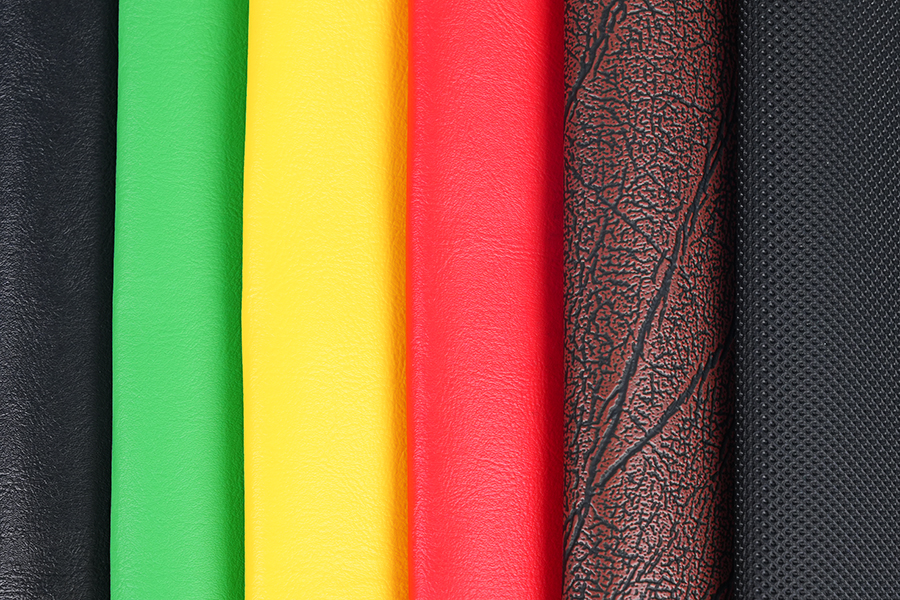
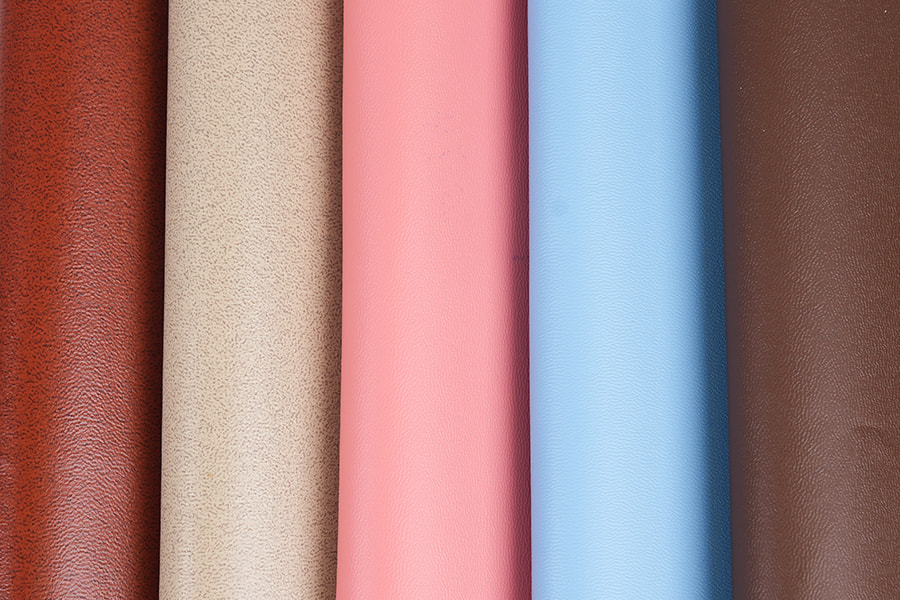
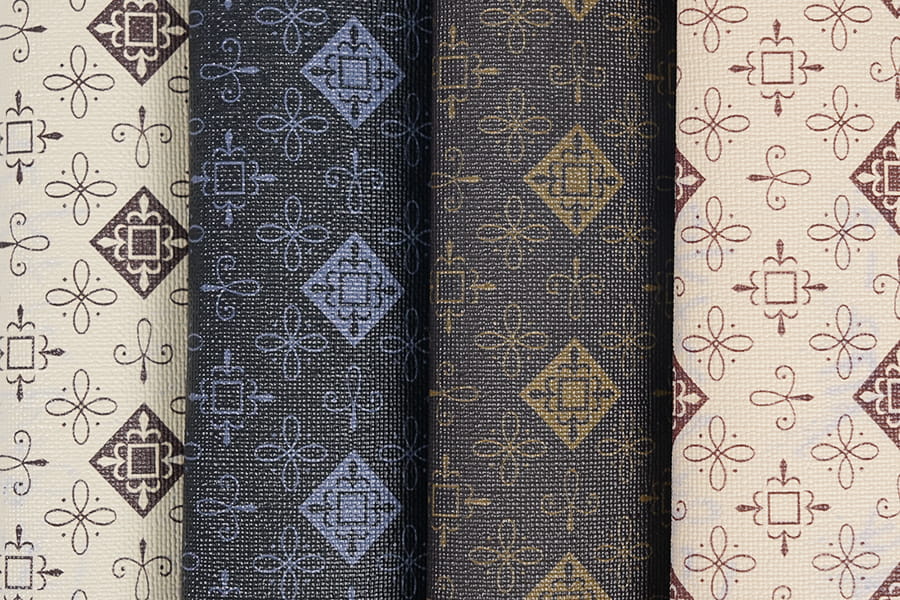
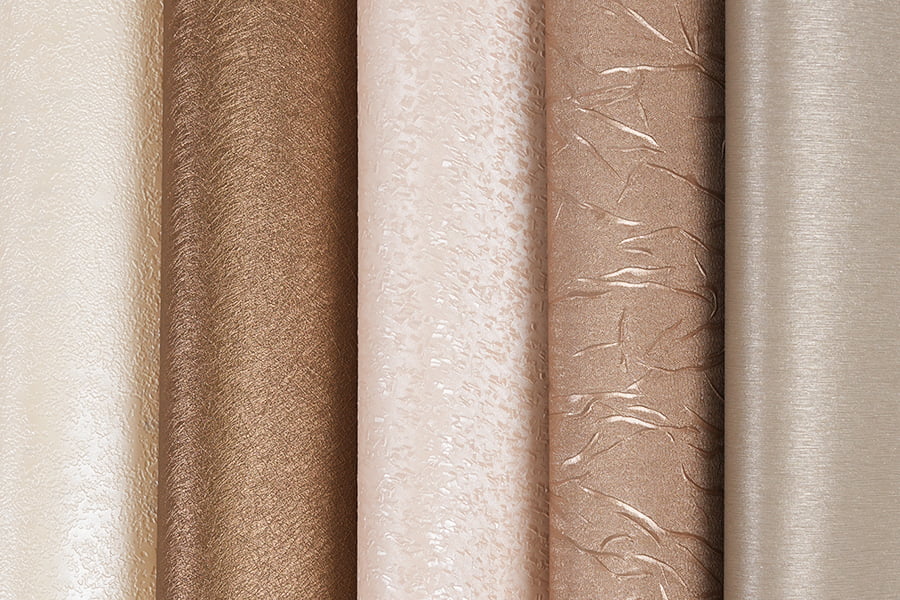
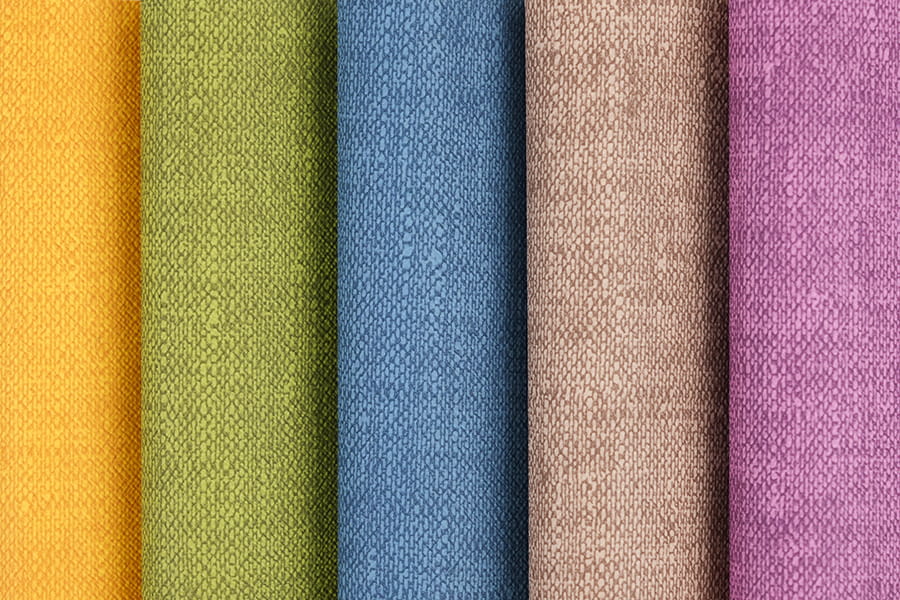
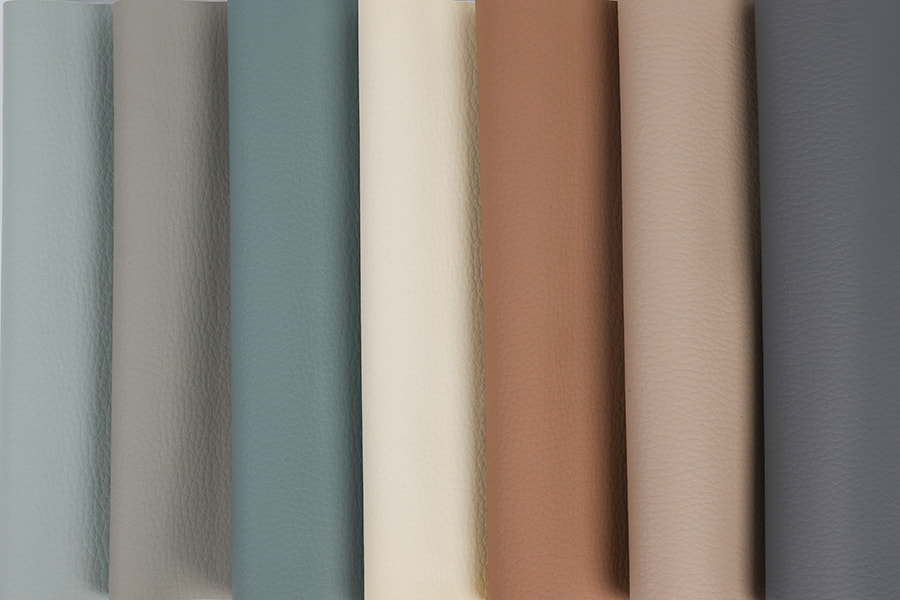
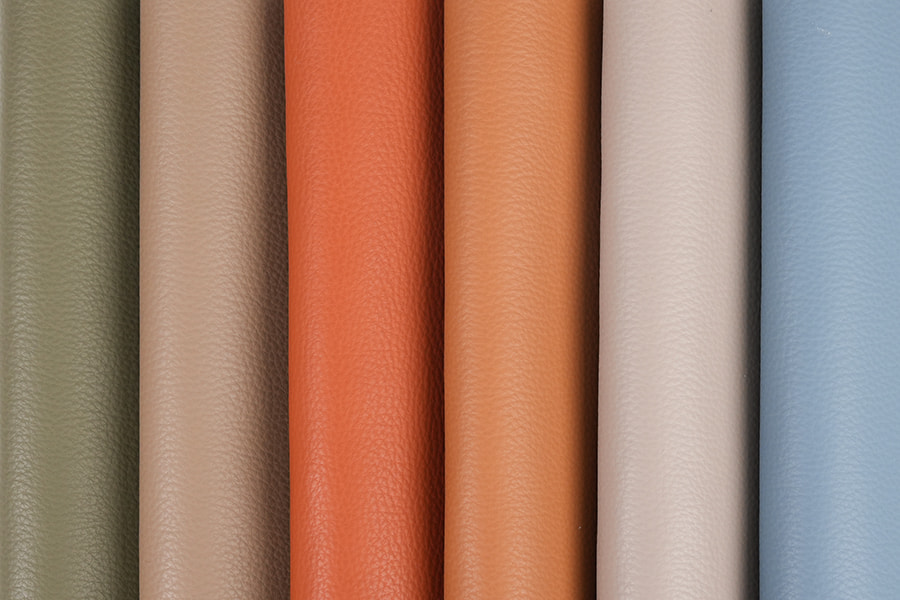
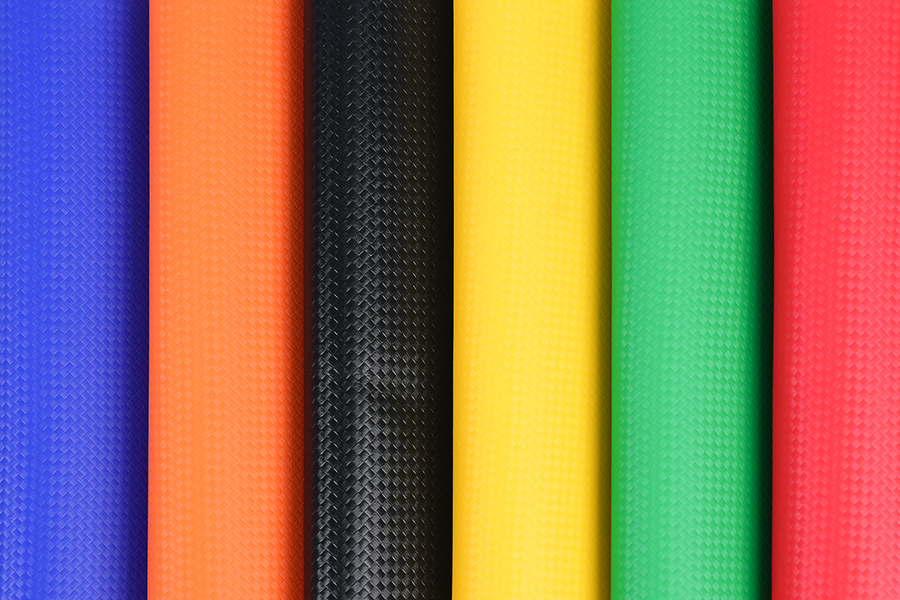
The Versatility of Sofa Artificial Leather in Different Home Decor Styles Sofa artificial leather has gained significant popularity as a material for home furniture, owing to its impressive versatilit...
View MoreIntroduction to Synthetic Leather What is Synthetic Leather? Definition and overview: Synthetic leather, also known as faux leather, vegan leather, or artificial leather, is a man-made material desig...
View MorePVC (Polyvinyl Chloride) and PU (Polyurethane) are two popular materials used in the production of automotive synthetic leather, each with its unique characteristics. Below are the key differences: Ma...
View MoreIntroduction of Synthetic Leather for Shoes What Is Synthetic Leather? Synthetic leather refers to any man-made material designed to imitate the appearance, texture, and qualities of genuine leather. ...
View MoreCopyright © Fu'an Synthetic Materials Co.,Ltd. Rights Reserved.
 Privacy
Custom PVC Synthetic/Artificial Leather Manufacturers
Privacy
Custom PVC Synthetic/Artificial Leather Manufacturers