language

Search

 中文简体
中文简体 English
 Español
 عربى
عربى Indonesia
Inquiry Now 
In today’s consumer market, Synthetic Leather has shed its old stereotype of being a cheap plastic substitute. It is a man-made material designed to simulate the appearance, feel, and performance of natural leather by coating various fabric substrates—such as polyester, cotton, or non-woven fabrics—with polymer resins.
From the early 20th-century nitrocellulose-coated fabrics to the rise of Polyvinyl Chloride (PVC) in the 1950s, and the revolution of high-performance Polyurethane (PU) in the 1970s, the manufacturing process of synthetic leather has undergone several major leaps. Today, with the maturity of Microfiber technology, top-tier synthetic leather can rival high-end animal hides in breathability, tear strength, and abrasion resistance, even surpassing them in certain industrial parameters.
The global popularity of synthetic leather is driven by its high degree of customizability, production efficiency, and ethical considerations regarding animal welfare. Compared to natural leather, it is not limited by animal growth environments, scars, or body size, allowing for the production of infinite lengths of material with perfectly consistent textures. This is crucial for industries like automotive interiors, large-scale furniture, and fast-fashion footwear and bags.
When addressing the question Is synthetic leather good quality?, there is no simple yes or no. The quality of synthetic leather is a hierarchical system determined by the substrate, the thickness of the resin layer, and the production process.
Microfiber Leather: This is currently the highest grade of synthetic leather. It uses a three-dimensional microfiber non-woven fabric as a base, coated with high-performance polyurethane. Its physical properties, such as folding endurance and tensile strength, are extremely high, and its tactile feel is remarkably close to real leather.
PU Leather (Polyurethane): This material offers good softness and a degree of breathability. The surface can be embossed with various complex patterns. Mid-to-high-end PU leather performs well under normal usage conditions.
PVC Leather (Polyvinyl Chloride): An older technology that is weather-resistant and inexpensive, but feels stiff and lacks breathability. It is typically used for low-end linings or simple covers.
| Performance Metric | PVC Leather | PU Leather | Microfiber Leather | Natural Leather (Cowhide) |
| Softness | Low (Temp sensitive) | High | Very High | Very High |
| Breathability | Very Poor | Moderate | Good | Excellent |
| Abrasion Resistance | 10k-20k cycles | 30k-50k cycles | 100k+ cycles | 50k-100k cycles |
| Hydrolysis Resistance | High | 2-5 years | 5-10 years | N/A (Mold prone) |
| Material Utilization | 100% | 100% | 100% | 60%-75% |
| Thickness Uniformity | Extremely Uniform | Extremely Uniform | Extremely Uniform | Non-uniform |
From an industrial perspective, the high quality of synthetic leather lies in its controllable physical properties. For instance, in high-performance athletic footwear, synthetic leather is often preferred over natural leather due to being lightweight, non-absorbent, and highly impact-resistant.
To understand the performance of Synthetic Leather, one must analyze its internal structure, which typically consists of three core layers:
Backing Fabric: Determines the elasticity and toughness of the material. Common bases include knitted, woven, or non-woven fabrics. Microfiber leather uses a non-woven fabric that mimics the fibrous structure of real skin.
Adhesive Layer: Firmly bonds the surface polymer to the base fabric to prevent delamination.
Surface Coating: The key layer for tactile feel, gloss, and weather resistance. Manufacturers use embossing rollers to create pores and grain patterns that mimic animal skin.
Current manufacturing mainly follows Dry and Wet methods:
Dry Process: Resin is coated onto release paper with a specific texture, bonded to the base fabric, dried, and then peeled off. This produces clear textures and a beautiful finish.
Wet Process: The base fabric is dipped in a resin bath and then solidified in a coagulation bath, creating a microporous structure similar to natural leather, which offers better breathability.
Despite massive technological progress, as a polymer-based material, consumers must face the reality of What are the disadvantages of synthetic leather?
Lack of Natural Patina: Natural leather absorbs oils over time, becoming softer and developing a unique gloss or patina. Synthetic leather, however, only wears down, thins, or fades over time; it does not age gracefully.
Breathability and Sweat Management: Even PU leather with microporous structures has a much lower breathability rate than natural hide. Wearing synthetic leather in hot environments can feel stifling and damp, which is a challenge for those with sensitive skin.
Irreversible Surface Damage: Once the surface of synthetic leather is scratched or gouged, the base fabric layer is exposed. Because the surface is a chemical coating, it is nearly impossible to repair via sanding or buffing, unlike natural leather which can often be restored.
Environmental Degradation Issues: Most synthetic leathers rely on petroleum by-products. While they avoid animal slaughter, they are extremely difficult to degrade in nature. PVC, in particular, may release harmful gases like hydrogen chloride during production and disposal.
Peeling and Hydrolysis: This is the most critical weakness. In humid, high-temperature, or high-friction environments, the polyurethane molecular chains can break, causing the skin to flake off like fish scales, commonly known as peeling.
Regarding How long does synthetic leather last?, the lifespan varies significantly based on the material formulation and usage environment.
Consumer Grade (1-3 years): Found in fast-fashion bags and budget seating, usually made from standard polyester-based PU. In humid regions, these may show cracks or peeling within two years.
Hydrolysis-Resistant Grade (5-8 years): Made from polyether-based PU or high-performance microfiber. These materials pass strict Jungle Tests (simulated high heat and humidity) without degrading.
Engineering/Automotive Grade (10+ years): Synthetic leather used in car interiors undergoes extreme UV and temperature cycling tests, designed to match the vehicle’s service life.
Humidity: Moisture is the primary enemy of polyurethane.
UV Exposure: Prolonged direct sunlight accelerates photo-oxidative degradation of polymer chains.
Chemical Contact: Sweat, perfumes, and alcohol-based cleaners can rapidly destroy the surface protective film.
For materials worn close to the body, Is synthetic leather safe to wear? is a top consumer concern.
Modern mass-produced synthetic leather must comply with international environmental standards such as REACH, RoHS, or OEKO-TEX. These standards strictly limit:
Phthalates (Plasticizers): Once common in PVC, these are regulated due to potential endocrine disruption.
Heavy Metals: Lead, cadmium, and others are strictly prohibited beyond trace amounts.
Formaldehyde and VOCs: The source of that new bag or new car chemical smell.
As long as the Synthetic Leather meets environmental certifications, its chemical toxicity is extremely low and it is safe for human skin.
Since synthetic leather lacks the natural fiber elasticity of hide, its support relies entirely on the base fabric. In professional protective gear (like motorcycle racing suits), top-tier synthetic leather is often safer than standard leather because its tear resistance parameters are more consistent and predictable.
To understand the practical differences, we can compare Synthetic Leather and Real Leather across three dimensions: resource consumption, durability, and environmental cost.
| Dimension | Natural Cowhide (Chrome Tanned) | High-Performance PU | Top-Tier Microfiber |
| Carbon Footprint (per m2) | ~17.0 kg CO2e | ~15.8 kg CO2e | ~12.5 kg CO2e |
| Water Usage (per m2) | ~240 Liters | ~30 Liters | ~25 Liters |
| Lifespan (with care) | 10 - 20 Years | 2 - 5 Years | 5 - 10 Years |
| Degradation Time | 10 - 12 Months | 200 - 500 Years | 200 - 500 Years |
| Material Waste Rate | 25% - 40% | 0% | 0% |
Utilization: Synthetic leather is produced in rolls with fixed widths and no defects, allowing for nearly 100% cutting utilization. Natural leather has high waste rates due to animal shape and scars.
Consistency: Synthetic leather guarantees that every batch has identical color, texture, and thickness, which is impossible with natural hides.
Addressing the plastic dependency mentioned in What are the disadvantages of synthetic leather?, material science has provided new answers. New generations of Synthetic Leather are shifting away from pure petroleum paths toward bio-mass raw materials.
Pineapple Fiber (Pinatex): Made from waste pineapple leaf fibers. While still requiring some PU coating for durability, the bio-content is significantly higher.
Apple Leather: Uses dried and powdered apple pomace from the juice industry mixed with polymers. It captures a feel very close to fine lambskin.
Cactus Leather: Harvested only from mature cactus leaves, requiring almost no irrigation, making it a benchmark for low-carbon emissions.
Mycelium Leather: A lab-grown material using the root structure of mushrooms. It has the potential for complete biodegradability.
A: Yes. Modern top-tier microfiber leather excels in stain resistance, durability, and ease of cleaning compared to real leather. For homes with pets, it won't be easily snagged by claws and doesn't absorb odors.
A: Standard PVC becomes brittle in the cold. If you live in a frigid area, choose materials labeled as Cold-Resistant or High-Elastic PU. Quality materials can typically withstand temperatures around -20 degrees C without cracking.
A: The main drawbacks are lack of molding and breathability. Real leather shoes will slightly deform to fit the shape of your foot over time; synthetic leather is highly resilient and resists changing shape. Additionally, feet may feel sweatier over long periods.
A: Synthetic leather is often better for allergy sufferers. The chromium salts or dyes used in tanning natural leather can cause skin irritation in some people, whereas certified Synthetic Leather is hypoallergenic and does not harbor dust mites.
A: It is very difficult. Peeling indicates the polymer coating has detached from the base—a sign of material aging. Repair creams are only temporary cosmetic fixes and cannot restore the original smoothness or strength.
Check the Edges: Look at the cross-section. If the side shows neat fabric threads or a dense grayish-white fiber layer, it is synthetic. Natural leather shows irregular, tangled fibers.
The Press Test: Press your finger into the surface. Natural leather creates fine, radiating wrinkles that disappear when released. High-quality synthetic leather may mimic this, but cheap versions will produce large, plastic-looking folds.
The Smell Test: High-quality Synthetic Leather should be odorless or have a very faint resin scent. A strong, pungent smell like nail polish or gasoline suggests high VOC emissions and should be avoided.
Look for Certifications: Prioritize products with GRS (Global Recycled Standard) or OEKO-TEX Standard 100 labels, which guarantee safety and a degree of recyclability.
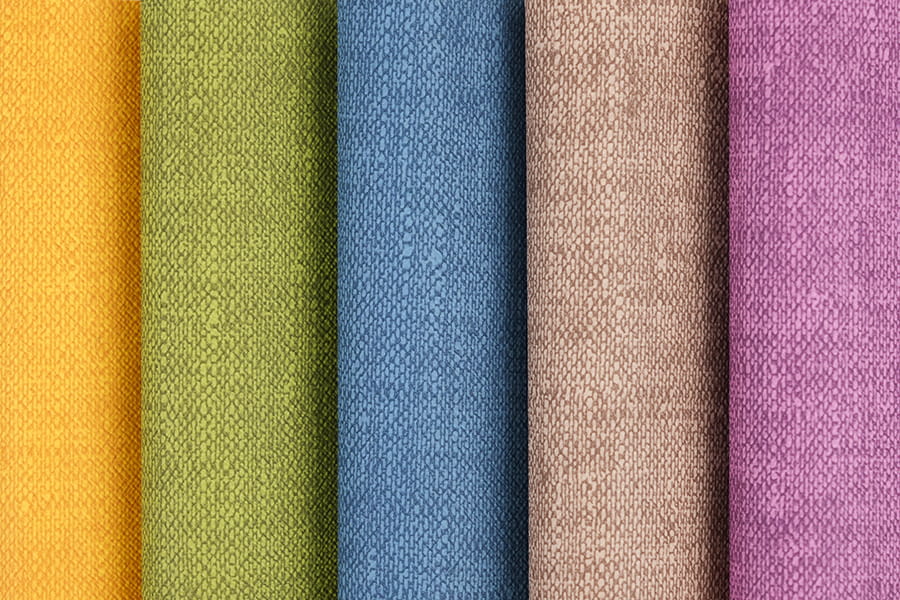
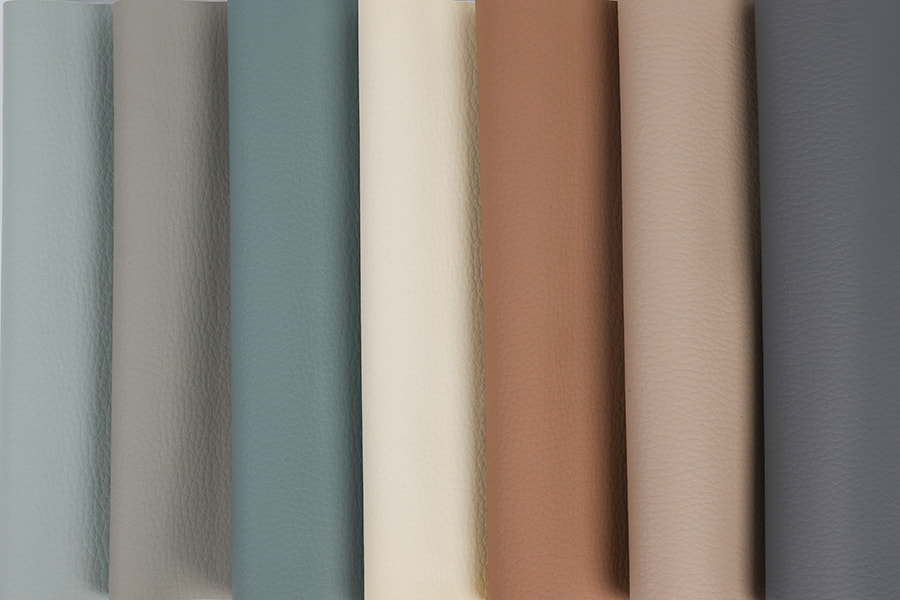
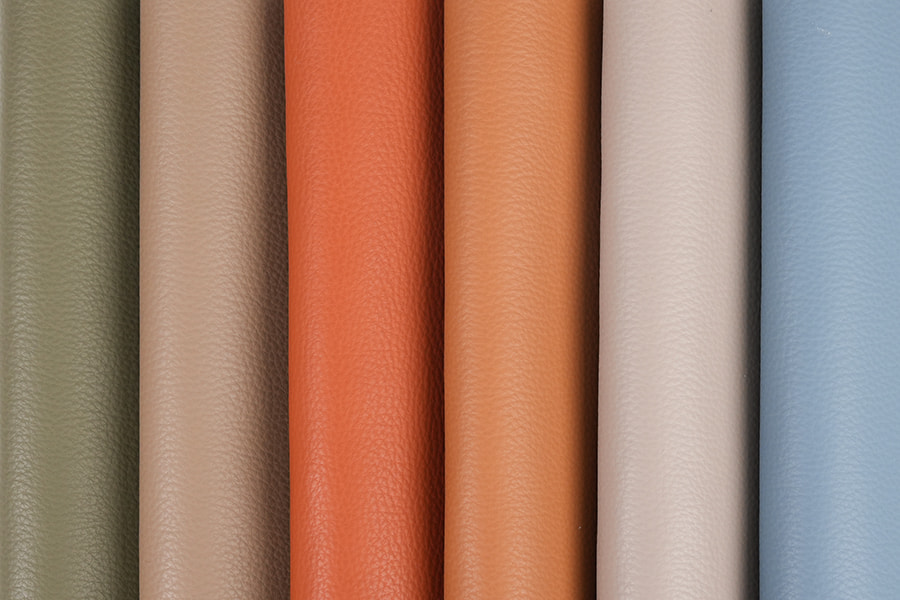
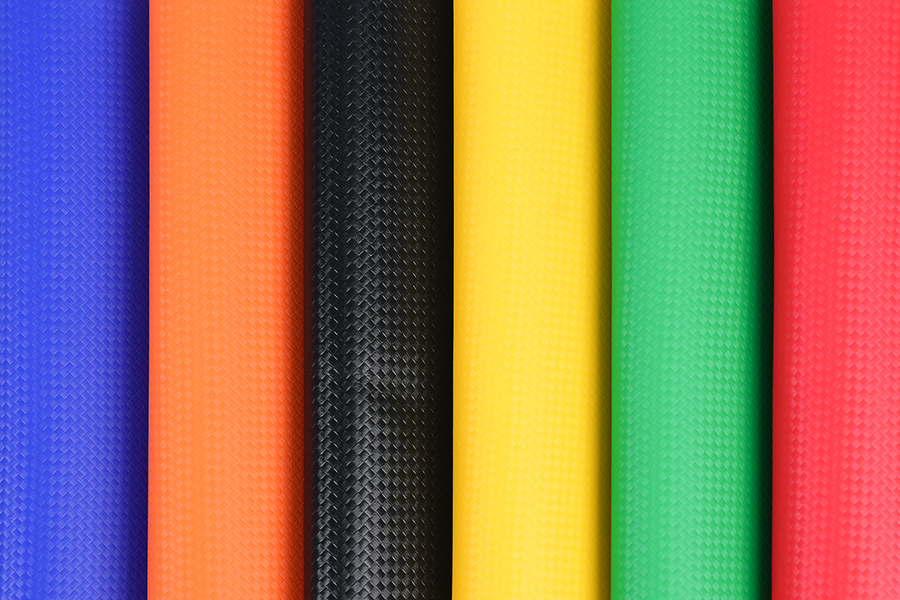
The Versatility of Sofa Artificial Leather in Different Home Decor Styles Sofa artificial leather has gained significant popularity as a material for home furniture, owing to its impressive versatilit...
View MoreIntroduction to Synthetic Leather What is Synthetic Leather? Definition and overview: Synthetic leather, also known as faux leather, vegan leather, or artificial leather, is a man-made material desig...
View MorePVC (Polyvinyl Chloride) and PU (Polyurethane) are two popular materials used in the production of automotive synthetic leather, each with its unique characteristics. Below are the key differences: Ma...
View MoreIntroduction of Synthetic Leather for Shoes What Is Synthetic Leather? Synthetic leather refers to any man-made material designed to imitate the appearance, texture, and qualities of genuine leather. ...
View MoreCopyright © Fu'an Synthetic Materials Co.,Ltd. Rights Reserved.
 Privacy
Custom PVC Synthetic/Artificial Leather Manufacturers
Privacy
Custom PVC Synthetic/Artificial Leather Manufacturers